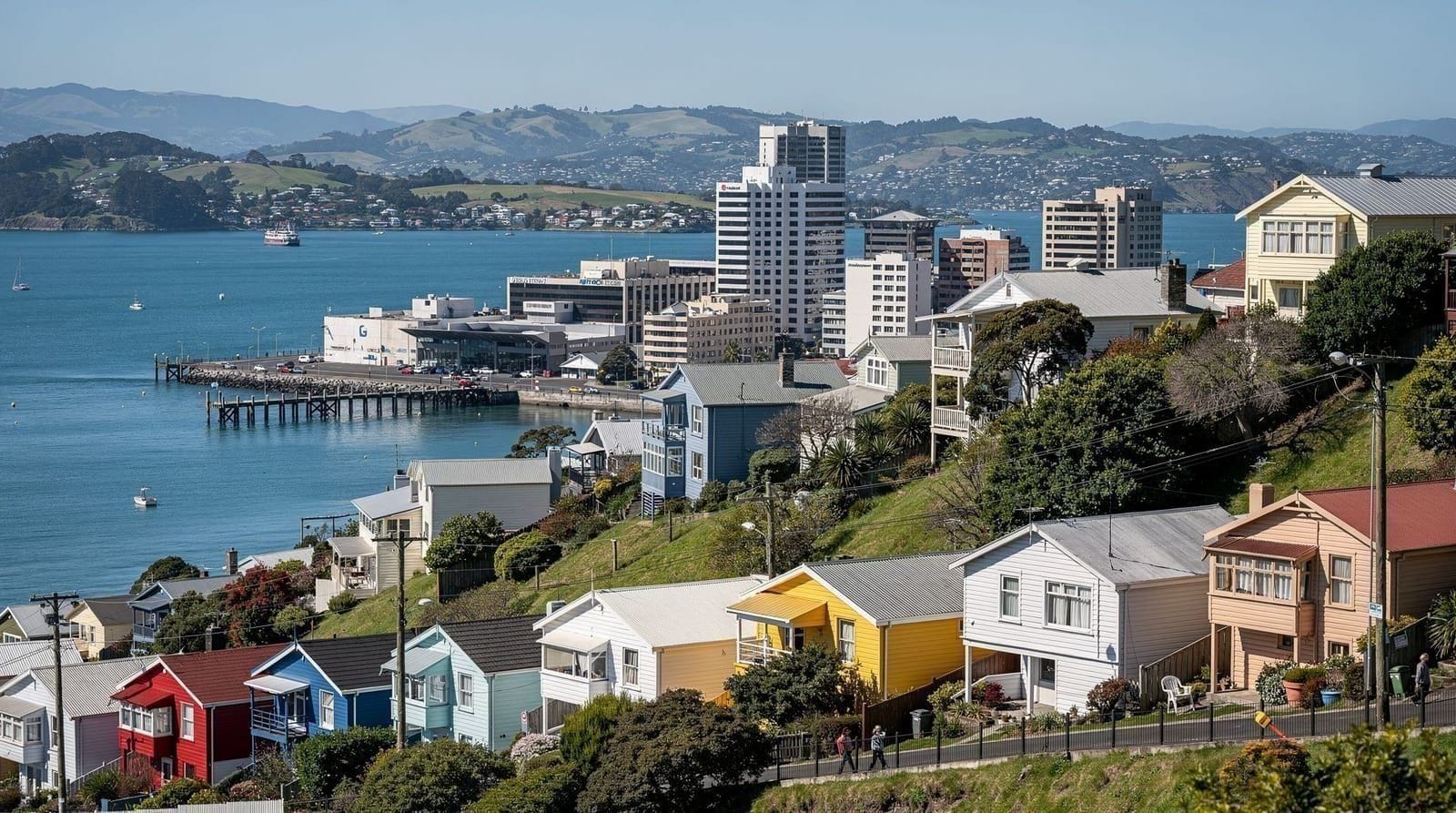
Things to do in Wellington: the complete guide
Wellington: Highlights Tour with a Local Guide
What are the best things to do in Wellington?
Te Papa Tongarewa (free), the Wellington Cable Car and Botanic Garden, Zealandia ecosanctuary, Weta Workshop for film fans, and a walk or café stop on Cuba Street cover the essentials. Most visitors can see the core sights in two full days, with a third day free for Martinborough wine country or Zealandia at a slower pace.
A compact capital that rewards slow exploration
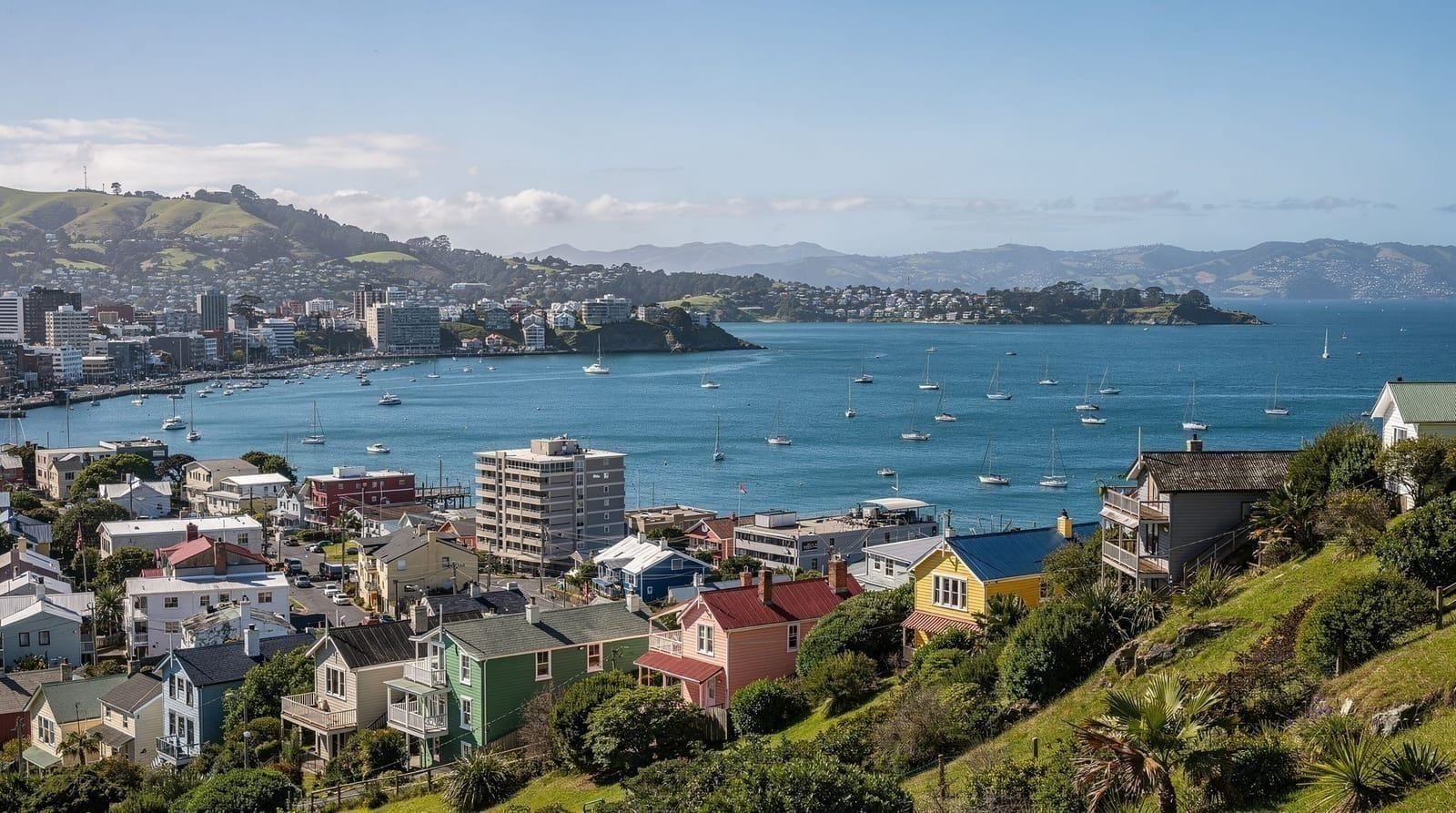
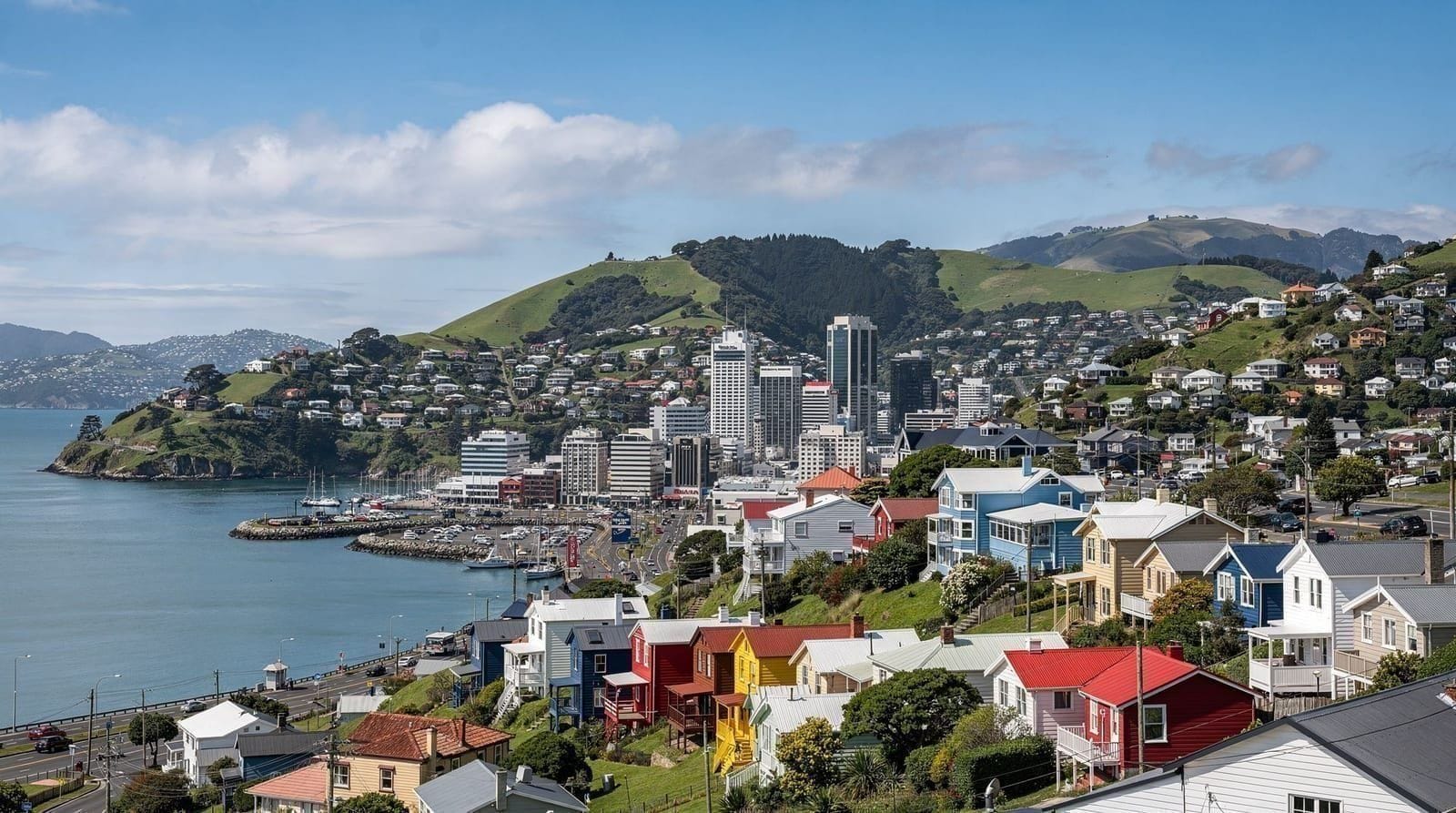
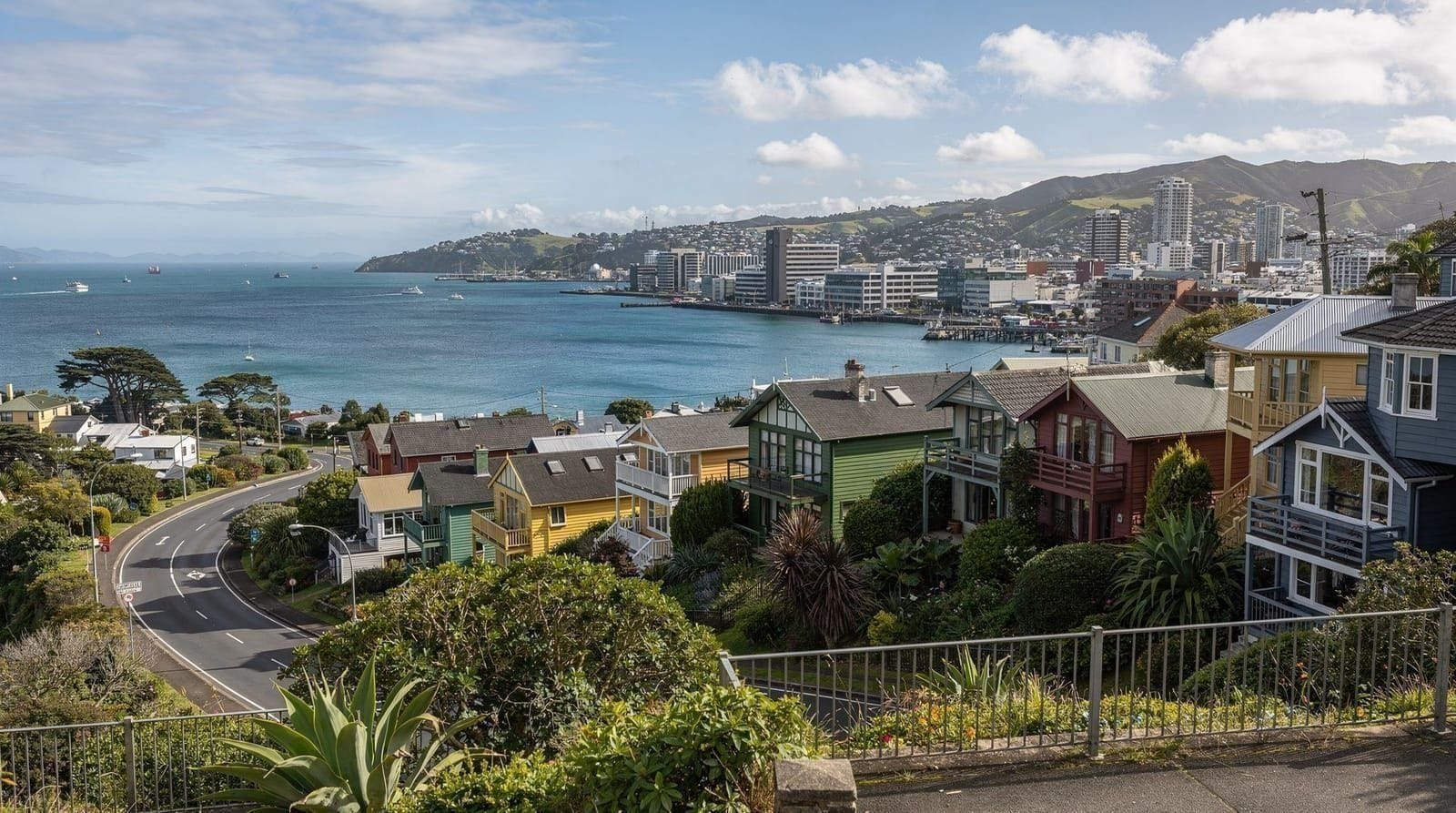
Wellington is small enough that most of its headline attractions sit within a 20-minute walk of each other, yet varied enough — museum, wildlife sanctuary, film studio, harbour, hilltop lookout, wine country an hour away — that a checklist visit undersells it. This guide runs through what’s genuinely worth your time, what’s overrated, and how the pieces fit together across a two- or three-day stay. For city-specific pacing, see our Wellington in 2 days and Wellington in 3 days guides; this page is the reference list behind those itineraries.
| Best for | First-time visitors wanting the full-city overview |
| Time needed | 2 full days for the core; 3 with Martinborough or Zealandia |
| Cost | Te Papa and most viewpoints free; paid attractions NZ$9-85 |
| Getting around | Walkable CBD core; bus/taxi for Weta Workshop and Zealandia |
| Best season | March-May (autumn) for value and thinner crowds |
Te Papa Tongarewa: start here
Te Papa, New Zealand’s national museum on Cable Street, is free to enter and the single best-value stop in the city. Exhibits span Māori taonga (treasures), natural history, an earthquake simulator, and a strong contemporary art and Pacific culture programme, spread across six floors. Budget two to three hours for a first visit — longer if you’re travelling with kids, since the interactive natural-history floors run well past a quick browse. Donations are welcomed but not required, and a handful of touring exhibitions carry a separate ticket. If you want context and commentary rather than a self-guided wander, a guided Te Papa tour covers the highlights in around 90 minutes with a knowledgeable local guide.
The cable car and Botanic Garden
The Wellington Cable Car runs from Lambton Quay up to Kelburn in about five minutes, and the NZ$9-11 return fare buys you a genuine harbour panorama at the top — arguably the best value view in the city for the price. From the upper terminal, it’s a short walk into the Wellington Botanic Garden, 25 hectares of native bush and formal plantings with walking tracks back down toward the CBD if you’d rather not ride the cable car both ways. Autumn (March-May) brings the best colour in the garden’s deciduous sections. See our full cable car visitor guide for ticketing detail, and the cable car ticket review if you’re comparing standalone tickets against combined tour options.
Weta Workshop and the film heritage trail
For Lord of the Rings and Hobbit fans, Weta Workshop in Miramar is close to essential — behind-the-scenes tours of props, creature design and practical effects run roughly NZ$50-85 depending on length, and morning slots tend to be quieter. It’s a genuinely niche draw, though: visitors without a specific interest in the films or in practical film effects often find the price disproportionate to a 60-90 minute experience. Our honest take on whether Weta Workshop is worth it covers the trade-off directly, and the Miramar and Weta film district page maps out the wider area, including the Lord of the Rings filming locations scattered around the city.
Zealandia: wildlife inside the city limits
Zealandia, a fenced ecosanctuary in Karori roughly 15 minutes from the CBD by car or bus, protects a valley of native bush where kiwi, tuatara and dozens of endemic bird species live free of the introduced predators found elsewhere in the country. Daytime entry runs about NZ$55 for adults, with guided walks included in some ticket tiers; a night tour (around NZ$85) is the better way to actually spot kiwi, since they’re nocturnal and rarely visible during the day. Budget half a day for a proper visit, more if you’re doing one of the night tours on top of a daytime wander.
Cuba Street and the café-and-craft-beer scene
Cuba Street, Wellington’s bohemian main strip, is best treated as a place to wander and eat rather than a single attraction — independent cafés, vintage stores, street art, and a genuinely strong craft-beer scene concentrated along and just off the street. Wellington’s café culture in particular has a reputation that holds up: flat whites here are consistently good, and tip jars (rather than expected service charges) are the norm. Our Wellington coffee capital guide and craft-beer trail go deeper into specific recommendations.
The waterfront and harbour
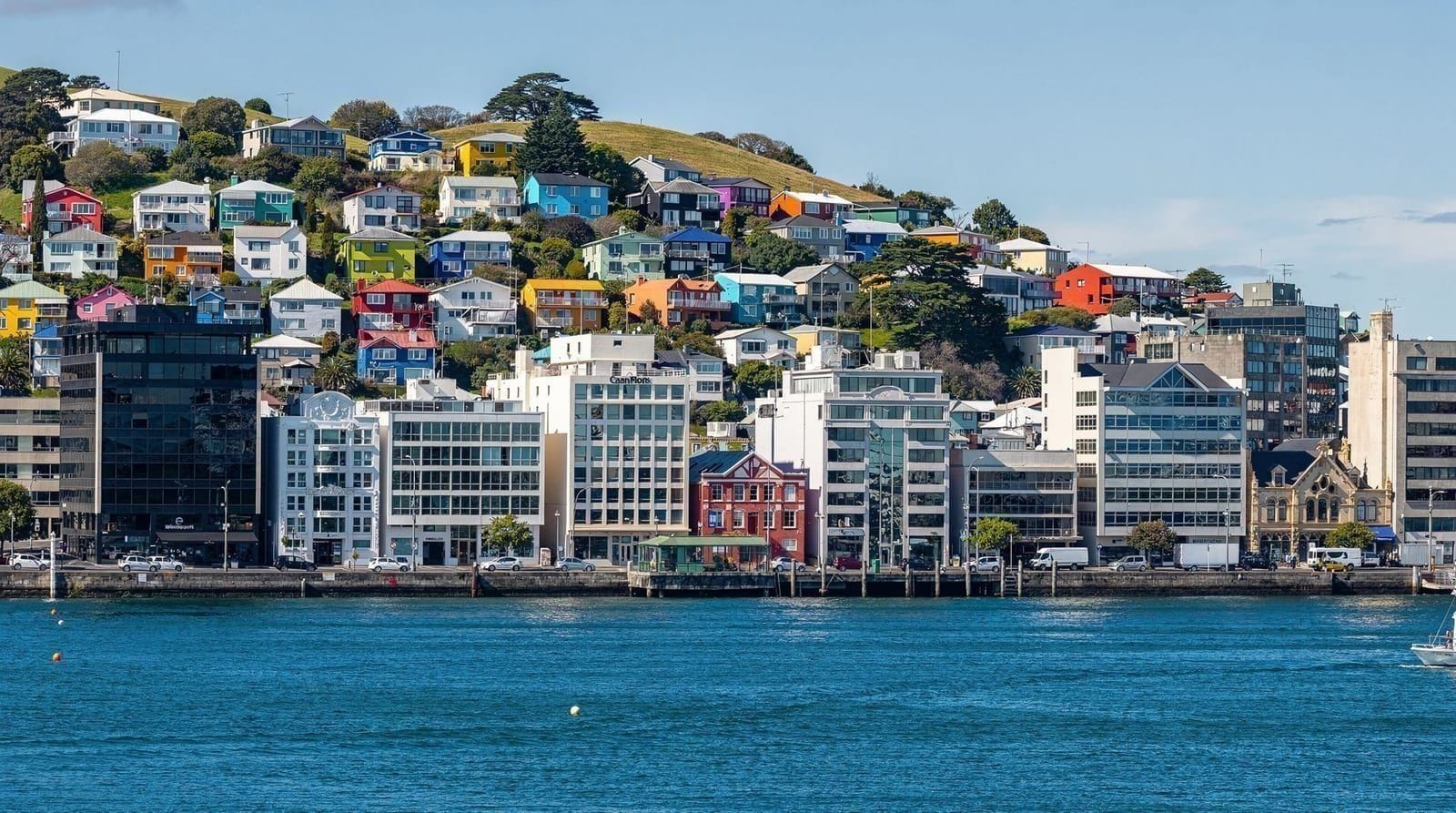
Wellington’s waterfront, running from Te Papa past Frank Kitts Park to Queens Wharf, is a genuinely pleasant walk with public art, harbour views, and — on a good day — swimmers and paddleboarders using the public pools built into the wharf structures. It’s also where several harbour tour operators depart from, including commentated cruises that loop past the container port and out toward the harbour entrance. See our dedicated waterfront walk guide for a turn-by-turn route, and a caution in our waterfront café warning about which spots along here overcharge for the view.
Mount Victoria for the best free view
If you only do one lookout, make it Mount Victoria — a 30-45 minute walk from the CBD (or a short drive) to a 196-metre summit with a 360-degree view over the harbour, city and South Coast. It’s free, it’s where several Lord of the Rings scenes were scouted, and sunset is the reliable time to go. Compare it against Wellington’s other viewpoints in our best views in Wellington guide.
Days Bay, Eastbourne and the harbour ferry
A short ferry ride from Queens Wharf to Days Bay (about 20 minutes, NZ$10-15 each way) is one of Wellington’s better-value half-day trips — a beach, a decent café, and a walk along to Eastbourne if you have the time. It’s a genuinely local, uncrowded outing rather than a tourist-bus stop, and pairs well with a Sunday when the Eastbourne market is running.
Museum of Wellington and NZ Parliament
Beyond Te Papa, the smaller Museum of Wellington on the waterfront covers the city and harbour’s maritime and settlement history in a compact, free-to-enter former harbour board building — a good 45-minute add-on rather than a destination in its own right. A short walk away, the NZ Parliament and Beehive offer free guided tours of the country’s seat of government, including the distinctive Beehive executive wing, worth booking ahead if you have a specific interest in New Zealand politics or architecture.
Māori culture beyond Te Papa
Te Papa’s Māori collections are the deepest single stop, covered in our Te Papa Māori collections guide, but a guided waka experience on the harbour or a hidden Māori treasures tour around the CBD add a more active, guided dimension if you want context beyond museum displays. Picking up a handful of te reo Māori basics before you go — place names, simple greetings — genuinely changes how the city reads once you’re there.
What’s overrated
A few Wellington staples get more hype than they deserve. Weta Workshop’s price-to-time ratio disappoints visitors without a specific film interest, as covered above. Several waterfront cafés charge a real premium for the view rather than for food quality — Cuba Street and the side streets consistently offer better value. And several short harbour ferry rides, while scenic, run NZ$10-15 each way for a 15-20 minute trip that doesn’t always justify the cost against simply walking the waterfront for free. Our Wellington tourist traps guide runs through the fuller list.
Rainy-day alternatives
Wellington’s weather is changeable enough that it’s worth having an indoor backup plan regardless of season. Te Papa, the City Gallery, and Zealandia’s indoor exhibits all hold up well in bad weather; our dedicated rainy-day things to do guide covers the fuller list, including options specifically suited to travelling with kids.
How it all fits into a trip
For a first visit, two full days lets you cover Te Papa, the cable car and Botanic Garden, Cuba Street, and the waterfront without rushing, leaving Weta Workshop, Zealandia or a Martinborough day trip for a third day if your schedule allows. Our 2 days vs 3 days in Wellington guide walks through the trade-off in more detail, and the Wellington in 2 days itinerary lays out a specific day-by-day plan. If you’d rather have a guide stitch the city’s highlights together in a single outing, this guided city tour with cable car ticket covers most of the CBD essentials in about three hours.
Getting between the sights
Wellington’s CBD is genuinely walkable — most of what’s listed above sits within a 20-30 minute walk of Lambton Quay — but Weta Workshop in Miramar and Zealandia in Karori both warrant a bus, taxi, or rideshare rather than a walk. See our getting around Wellington guide for the Metlink bus and train network, and do you need a car in Wellington if you’re deciding whether to rent one for the wider trip.
Best time of year to visit
March-May (autumn) is the best-value season — mild temperatures, thinner crowds than summer, and accommodation prices 20-30% below peak. Summer (December-February) brings the best weather but the highest prices and busiest attractions; winter (June-August) is windier and wetter but noticeably cheaper. Our best time to visit Wellington guide breaks down all four seasons in detail.
Wellington’s other museums and galleries
Beyond Te Papa, the City Gallery Wellington on Civic Square is free to enter and rotates contemporary exhibitions through a striking former public library building — a solid 45-60 minute stop, especially on a wet afternoon. The smaller Katherine Mansfield House in Thorndon preserves the childhood home of New Zealand’s best-known short-story writer, and Old St Paul’s, a timber Gothic Revival church a short walk from Parliament, is free and often overlooked despite being one of the city’s more distinctive heritage buildings. None of these need more than an hour each, which makes them useful for stitching together a half-day around Thorndon and the CBD’s northern edge without needing to book anything.
Neighbourhoods worth building a day around
Wellington’s compactness means the useful unit for planning isn’t really “attraction by attraction” but neighbourhood by neighbourhood. Oriental Bay, the closest thing the city has to a beach, is worth an evening walk or a swim on a warm day; Cuba Street and Te Aro covers food, nightlife and independent shopping; and Miramar is the film-industry suburb, worth a half-day if Weta Workshop and the wider LOTR filming trail interest you. Our Wellington neighbourhoods guide maps out how these areas connect and which one suits which kind of traveller.
A note on Wellington’s Māori and colonial history
Wellington’s Māori name, Te Whanganui-a-Tara (“the great harbour of Tara”), reflects the city’s origins as a settlement around one of the finest natural harbours in the country, long before European arrival in 1840 established it as a British settler town and, from 1865, the national capital, chosen partly for its central location between the North and South Islands. That layered history — a significant pre-colonial Māori presence, a rapid nineteenth-century colonial boom, and a twentieth-century identity built around government, the arts and, more recently, film — is worth knowing before you visit, since it explains why the city feels different from Auckland’s more commercially driven character. Our culture and history and maritime heritage guides go deeper into specific threads of that story.
Budgeting for a Wellington visit
A realistic mid-range daily budget for a couple runs roughly NZ$280-400, covering accommodation, meals, local transport and one or two paid attractions — Te Papa’s free admission genuinely helps here, since it removes what would otherwise be one of the larger single costs. Solo budget travellers using hostels and self-catering can come in well under that; families adding Weta Workshop, Zealandia and a Kāpiti Island day trip will land at the higher end. Our Wellington trip cost and budget guide breaks the numbers down category by category, and our more skeptical realistic Wellington trip budget piece flags where visitors typically underestimate costs.
Wellington with kids
Families tend to gravitate toward Te Papa’s interactive natural-history floors, the cable car (a novelty in its own right for younger kids), Wellington Zoo, and a Zealandia day visit pitched around the shorter, flatter tracks rather than the full network. Our dedicated Wellington with kids guide and its companion Te Papa with kids piece cover pacing, stroller-friendliness and which attractions are worth skipping with younger children in tow.
Practical things to sort out before you arrive
Most visitors from visa-waiver countries need an NZeTA plus the International Visitor Levy (IVL), together running roughly NZ$117-123 per person, applied for online before departure rather than on arrival — our NZeTA and IVL guide covers the process. A Metlink-compatible transport card or app is worth setting up on day one if you’re using buses regularly, and packing genuinely wind-resistant layers matters more here than in most cities — Wellington’s reputation as the “Windy City” is not exaggerated, and our wind survival guide is a genuinely practical read rather than a novelty piece.
How Wellington compares to Auckland
Visitors deciding between New Zealand’s two largest cities, or splitting time across both, will find Wellington noticeably more compact and walkable, with a stronger café and arts culture but fewer beaches and a smaller overall scale than Auckland’s sprawling harbour city. Wellington’s edge is film heritage, a genuinely excellent wine day trip on its doorstep, and the Cook Strait ferry as a gateway south; Auckland’s is scale, the Hauraki Gulf islands, and more direct international flight access. Our full Wellington vs Auckland comparison weighs both in more depth if you’re planning which city deserves the larger share of your trip.
Free things to do, beyond the obvious
Beyond Te Papa’s admission-free galleries, Wellington has a genuinely deep bench of no-cost attractions worth knowing about: the City Gallery, Old St Paul’s timber church, the Katherine Mansfield House’s front garden, most of the waterfront and harbour walk, Cuba Street’s street art, and the Botanic Garden itself (the cable car up is optional and paid; walking in from Glenmore Street or Bolton Street is free). Mount Victoria’s summit, the single best view in the city, costs nothing beyond the walk or a short drive. Stacking several of these into a single low-cost day is a genuinely good strategy for travellers balancing a tight budget against wanting to see everything — our free things to do in Wellington guide has the fuller list with walking routes between them.
Extending your trip beyond the city
Wellington’s real advantage over most other New Zealand base cities is how much genuinely different territory sits within a couple of hours. Martinborough and the wider Wairarapa wine country are about 1h15 by road over the Remutaka Range, and make an easy day trip or a more relaxed overnight; Kāpiti Coast and the predator-free Kāpiti Island sanctuary sit around 45-50 minutes north; and the Cook Strait ferry to Picton opens up Marlborough’s wine region, the Marlborough Sounds, and — with more time — Nelson-Tasman and Kaikōura’s whale watching.
Our best day trips from Wellington guide ranks these by how well they fit into a single day versus deserving an overnight, and the Wellington + surroundings in 5 days itinerary shows how to string several of them together without over-scheduling.
A realistic priority order if time is short
If you genuinely only have one day, prioritise in this order: Te Papa first (it’s free, central, and rewards even a rushed two-hour visit), the cable car and a short Botanic Garden walk down second, then Cuba Street for lunch and a wander, finishing with the Mount Victoria lookout at sunset if energy allows. This sequence keeps everything within the walkable CBD core and avoids the bus or taxi trip Weta Workshop and Zealandia require — both are genuinely worth adding on a second day rather than squeezed into an already full first one. Our Wellington in 1 day guide builds this exact sequence out with specific timings.
Two-day versus three-day trade-offs
The honest answer to “how long should I stay” depends on how much of the extended list above appeals versus just the headline sights. Two days covers Te Papa, the cable car and Botanic Garden, Cuba Street and the waterfront comfortably, with Mount Victoria’s sunset squeezed in on either evening. A third day is where the trip genuinely opens up — Weta Workshop and the film trail, Zealandia at an unhurried pace rather than a rushed half-day, or a full Martinborough wine day trip, none of which fit comfortably alongside the CBD basics without feeling rushed. Our 2 days vs 3 days in Wellington guide walks through this decision with specific day-by-day options for both lengths.
What locals actually do on a Sunday
A useful counterpoint to the tourist checklist: ask a Wellington local how they’d spend a free Sunday, and the answer rarely starts with Te Papa or Weta Workshop. It’s more likely to involve the Sunday Harbourside Market, a walk around Oriental Bay or out to Days Bay, and a slow café stop rather than a paid attraction. That’s not a knock on the headline sights — most locals have already done them — but it’s a useful reminder that Wellington rewards unstructured time as much as a checklist, and building at least one unscheduled half-day into a longer stay, rather than filling every slot with an attraction, often produces the visit people remember most fondly.
Seasonal events worth timing a visit around
Wellington’s festival calendar adds another layer worth checking before you book. Beervana (craft beer, usually winter) and CubaDupa (a street-arts festival on Cuba Street, typically March) both draw a genuinely local crowd rather than a purely tourist one, while World of WearableArt is a major ticketed design-and-performance show that fills the city’s accommodation for its run. None of these are essential to a good visit, but timing a trip to overlap with one — or deliberately avoiding the accommodation squeeze they cause — is worth a look at our festivals and events calendar before you lock in dates.
Frequently asked questions about Things to do in Wellington: the complete guide
How many days do you need in Wellington?
Two full days covers the core CBD sights comfortably — Te Papa, the cable car, Cuba Street, the waterfront. A third day lets you add Zealandia, Weta Workshop in more depth, or a Martinborough day trip without rushing.Is Wellington worth visiting if I've already seen Auckland?
Yes — Wellington is compact, walkable, and has a genuinely different character: film heritage, a stronger café and craft-beer culture, and easy access to wine country and the South Island ferry. It rewards a slower, more neighbourhood-based visit rather than a checklist of attractions.What's free to do in Wellington?
Te Papa's general admission, the Botanic Garden (cable car ticket separate), most of the waterfront and harbour walk, Cuba Street's street art and window shopping, and Mount Victoria's lookout are all free. See our free things to do in Wellington guide for the fuller list.What should first-time visitors prioritise?
Te Papa and the cable car on day one, since both are central and manageable in half a day each; Cuba Street and the waterfront can be woven around meals. Save Zealandia or Weta Workshop for a day when you're not also trying to cover the CBD basics.What's the single best free thing to do in Wellington?
Te Papa's general admission — a national museum of this quality and scale, free to enter, is genuinely unusual internationally. Mount Victoria's summit view is the best free runner-up if you want the outdoors option instead.Can you see Wellington's highlights without a car?
Yes — the CBD's core sights (Te Papa, the cable car, Cuba Street, the waterfront) are all walkable, and Metlink buses reach Weta Workshop, Zealandia and the zoo without needing a rental car. A car only becomes useful for day trips to Martinborough, Kāpiti or beyond.
Top experiences
Bookable activities with verified prices and instant confirmation on GetYourGuide.