Wellington + surroundings in 5 days
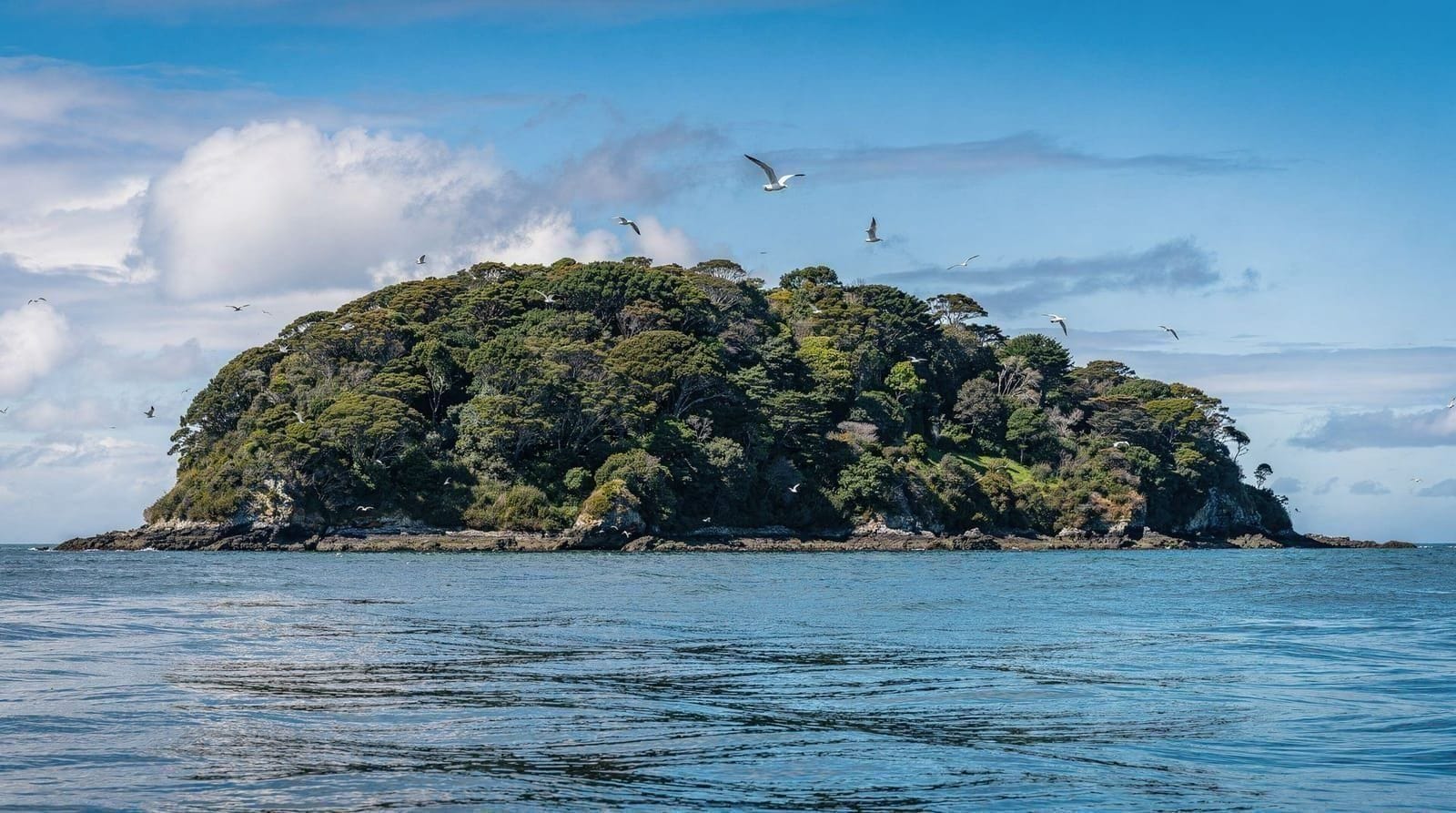
From Wellington: Kapiti Island Classic Guided Day Tour
Why five days is the real Wellington trip
Three days covers the city properly. Five days is where Wellington Trip’s whole reason for existing shows up: the regional depth that most guides skip past in a sentence. This plan spends two days on the CBD essentials, then dedicates a full day each to Martinborough’s wine country (65km northeast, roughly 1h15 by road) and Kāpiti Island’s nature reserve (50km north, about 50 minutes by road plus a short water-taxi crossing), with a fifth day left flexible for whichever of the two you’d rather linger in, or for a first taste of the Cook Strait ferry if the South Island is calling.
This is genuinely the itinerary this site is built around. Competitors like WellingtonNZ or Lonely Planet mention Martinborough and Kāpiti in passing; this plan treats both as full days because that’s what they actually deserve.
| Where | Wellington CBD, Martinborough (65km NE), Kāpiti Island (50km N) |
| Cost | around NZ$1,900–2,700 for two, excl. flights |
| Time needed | 5 days, withCar recommended for the Martinborough leg |
| Getting there | Rental car for Martinborough; licensed operator for Kāpiti Island |
| Best time | March–May (autumn), avoid peak summer for Kāpiti crossing demand |
Why these two regions specifically
Wellington sits between two very different kinds of day trip, and this itinerary picks one from each direction rather than trying to cram in a third. Martinborough is about food, wine and a slower pace — vineyards you can walk or cycle between, long lunches, an entirely different rhythm from the city. Kāpiti Island is the opposite: an early start, a genuinely wild, predator-free sanctuary, and bird species most visitors will never see anywhere else in the world. Together they show off the range of what’s within reach of Wellington without a flight or a multi-day commitment — which is exactly the regional-depth angle this site leans into more than most Wellington guides.
A reasonable question is why this plan doesn’t also fit in the Hutt Valley or Cape Palliser. The honest answer is that five days has room for two proper regional days, not three, and Martinborough and Kāpiti Island offer the widest contrast and the strongest individual experiences. If either the Hutt Valley or Cape Palliser appeal more, they’re straightforward one-day swaps for either Day 3 or Day 4 below.
Before you go
You’ll want a rental car for the Martinborough day, though not strictly for Kāpiti Island since access there is by authorised tour operator only regardless of how you arrive at the coast. Book a car for at least the Martinborough day through a local or major agency at the airport — Hertz and Avis both operate out of Wellington Airport — and expect NZ$60–90/day for a compact automatic. See driving to the Wairarapa from Wellington for the route (over the Remutaka Range, sealed and scenic but with some tight corners) and do you need a car in Wellington for the wider reasoning on when a car actually helps versus when it’s dead weight.
Sort your NZeTA and International Visitor Levy before you fly — see NZeTA and IVL guide for Wellington visitors. Base yourself centrally in Wellington for the whole five days rather than moving hotels; nothing on this plan requires an overnight away from the city. The Bolton Hotel or QT Wellington both work well as a fixed base — see where to stay in Wellington for the full comparison.
Days 1–2: Wellington city
Follow the core structure from Wellington in 2 days: Te Papa and the waterfront on Day 1, the cable car, Botanic Garden and Mount Victoria on Day 2. If Weta Workshop or Zealandia interest you, this is also where they’d slot in — but with a Martinborough day and a Kāpiti day already booked into this five-day plan, most travellers find two additional half-days is enough city time without overloading the trip. If you’d rather have a full third city day before heading out to the regions, extend this plan by a day and follow Wellington in 3 days for the Weta Workshop and Zealandia detail.
Use these first two days to also settle into Wellington’s rhythm — the wind, the walkability, the coffee culture — since Days 3 and 4 shift gears entirely into road-trip mode. It’s also worth using this time to sort logistics for the following two days: confirm your rental car pickup for Day 3, and if you haven’t already booked the Kāpiti Island crossing, do it now rather than later in the week — those slots are capacity-limited and the ones that remain a few days out tend to be less convenient departure times.
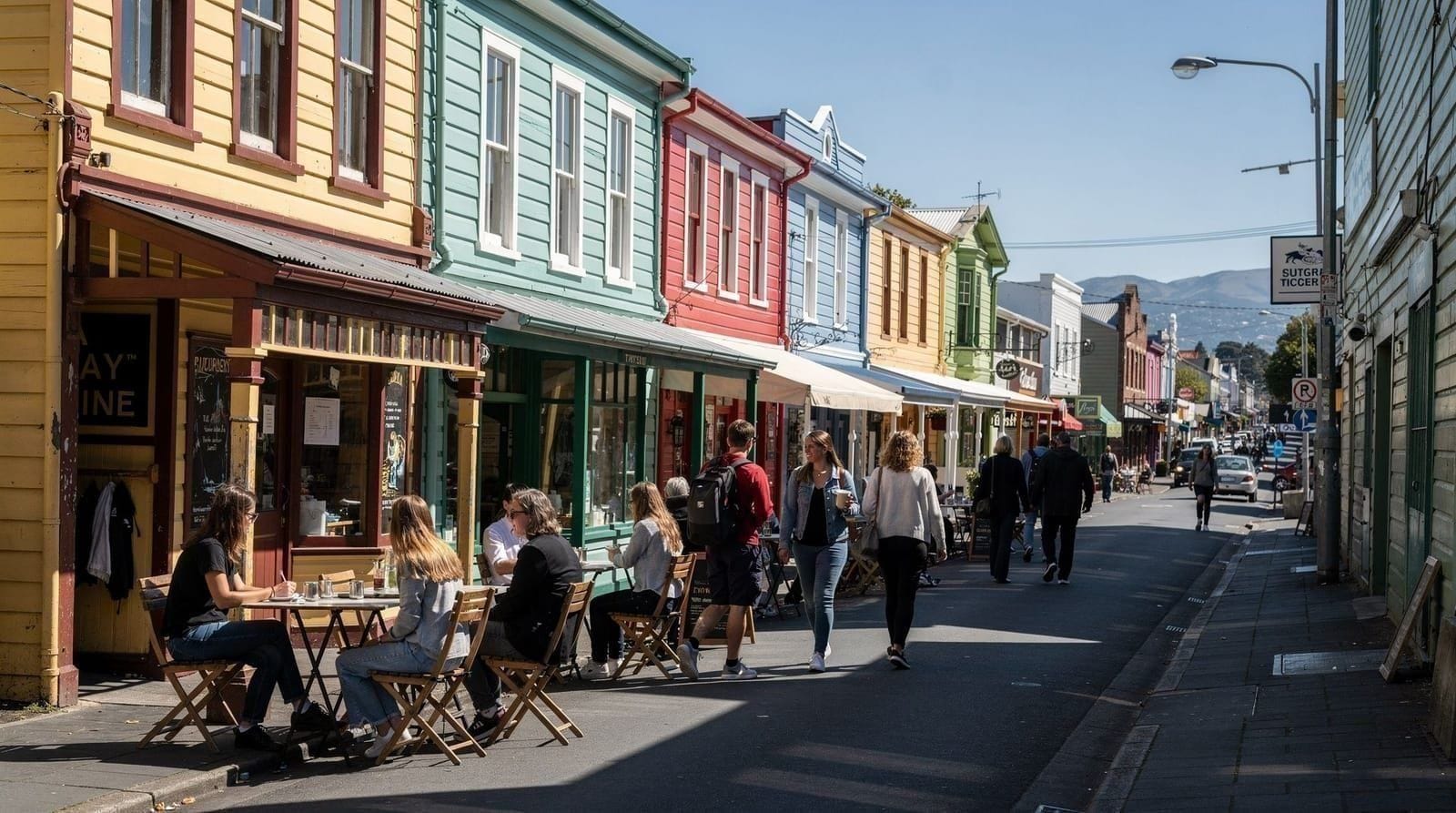
If you have any spare hour across these first two days, a walk through Cuba Street is worth prioritising over a second museum stop — it’s the neighbourhood that best captures Wellington’s actual character, away from the more polished waterfront strip, and it sets up a useful contrast with Martinborough’s much quieter small-town pace on Day 3.
Day 3: Martinborough wine country
Departure — 8:30–9am. The drive to Martinborough takes about 1h15 over the Remutaka Range, a winding but well-maintained road through forested hill country that opens out into the flat, vine-covered Wairarapa plain. If you’d rather not drive (or want to actually drink at the cellar doors), the Martinborough winery tour handles transport, a curated set of cellar-door visits and usually a lunch stop, departing directly from Wellington.
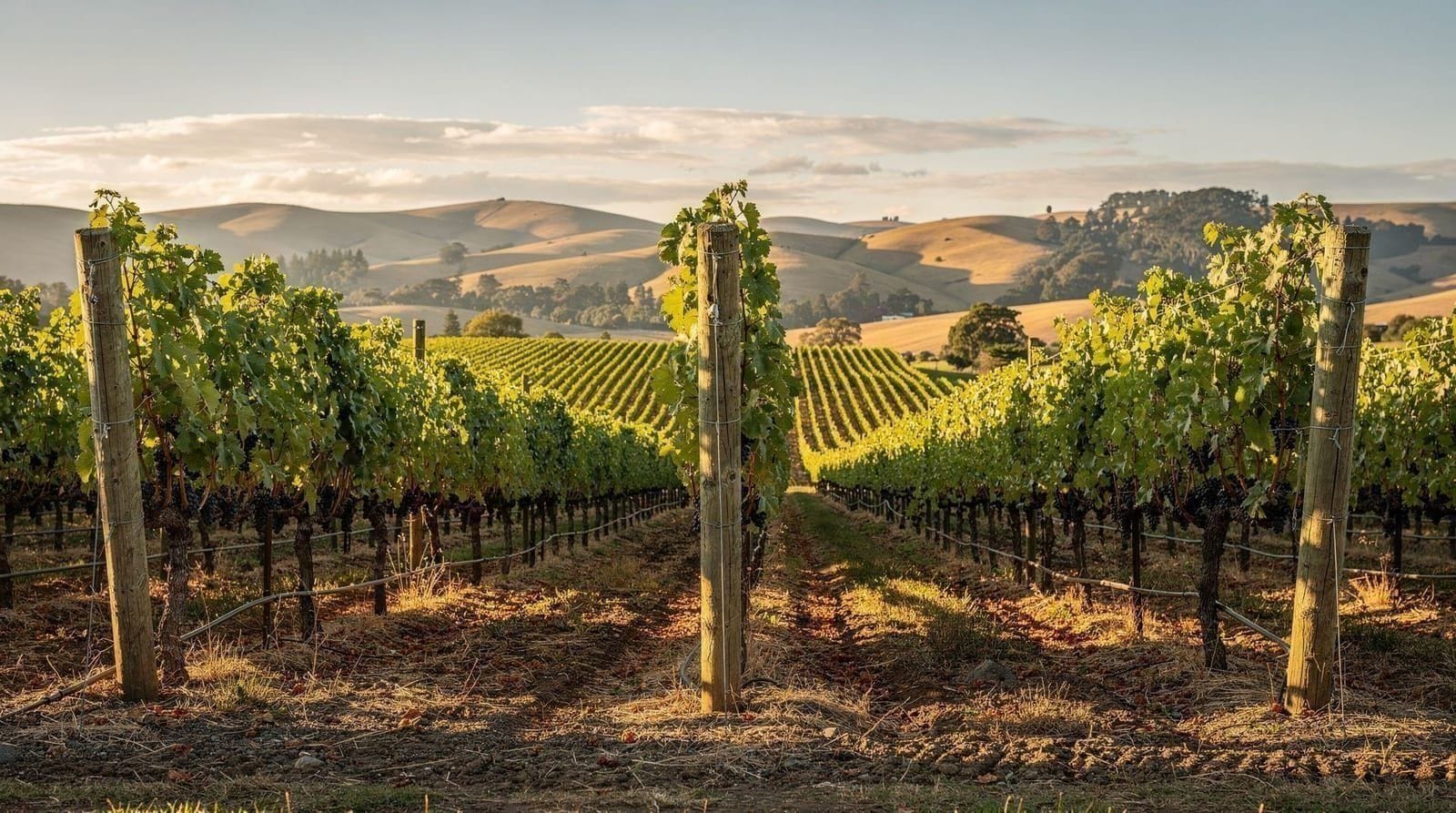
Morning — cellar doors. Martinborough has more than 20 wineries, most within walking or cycling distance of the town square, known internationally for pinot noir and increasingly well-regarded for sauvignon blanc, syrah and aromatic whites. Ata Rangi and Palliser Estate are two of the most established names and both run regular tastings (NZ$5–10 per cellar door); Te Kairanga and Schubert Wines offer a slightly more relaxed, less-visited alternative if you want to avoid the busier tasting rooms on a weekend. See the Martinborough wine guide and best Martinborough wineries for a fuller list matched to different preferences — bigger names versus small producers, drop-in versus bookable.
Lunch — Martinborough town. The Village Cafe on the town square does a reliable, unfussy lunch; for something more considered, Poppies Martinborough pairs a shorter wine list with a genuinely good kitchen. Budget NZ$25–45 a head. If you’d rather have lunch built into a guided package, the winery tour above typically includes a stop at one of the better-regarded lunch spots as part of the day.
Afternoon — more cellar doors, or cycling between them. Martinborough’s flat layout and short distances between wineries make it one of the few wine regions where cycling between cellar doors genuinely works — several operators rent bikes from the town square. See Martinborough by bike if this appeals more than driving between stops (useful too if you’ve been drinking and don’t want to get back behind the wheel). Wrap up by mid-afternoon to be back on the road before the light fades, particularly outside summer.
Evening — back to Wellington. The return drive is the same 1h15; if everyone in the car has been drinking, book a shuttle back rather than risk it — several Wellington-based operators run Martinborough transfers specifically for this reason. Dinner back in the CBD, or a quieter night in given the day’s pace.
Day 4: Kāpiti Island nature reserve
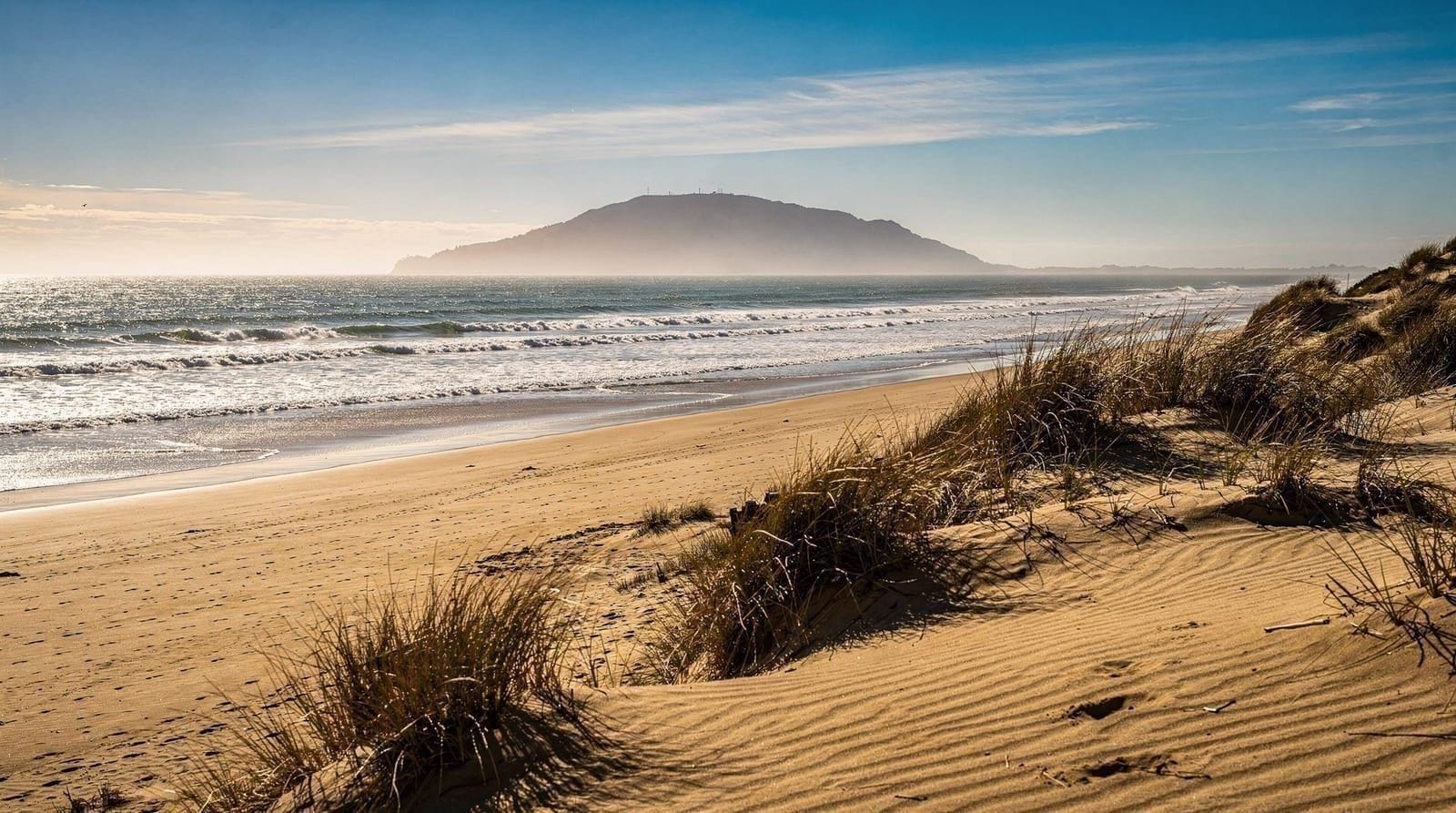
Departure — early, 7–7:30am. Kāpiti Island sits about 50km north of Wellington, roughly 50 minutes by road to Paraparaumu or Waikanae, then a short water-taxi crossing to the island itself — access is restricted to licensed operators for conservation reasons, so this is not a drive-and-wander destination. The Kāpiti Island classic guided day tour from Wellington handles the whole day, including the coastal drive, the water-taxi crossing and a guided walk on the island, and is worth booking well ahead since crossings are capacity-limited by permit.
On the island. Kāpiti Island is a predator-free sanctuary — rats, stoats and possums have been eradicated — and the bird density reflects it: kōkako, takahē, saddleback and little spotted kiwi are all realistic sightings on a day visit, several of them extinct or vanishingly rare on the mainland. Guides typically walk one of two main tracks depending on fitness and weather; both wind through regenerating coastal forest with regular stops for birdlife. Full detail on what to expect and how to prepare is in the Kāpiti Island nature reserve guide and the practical Kāpiti Island booking guide — book slots for this trip weeks ahead if you have a fixed travel window, since permits are limited and this is one of the harder-to-secure days in the whole itinerary.
Back on the mainland. After the crossing back, the wider Kāpiti Coast area has a handful of decent café stops in Waikanae or Paraparaumu if you want to extend the day before the drive back to Wellington. Most guided day tours return to central Wellington by early evening.
Day 5: flex day
By Day 5 you’ve done the city and both regional day trips, so this final day is deliberately open. Reasonable options: a slower half-day back in Wellington catching whatever you missed (Weta Workshop, Zealandia, the City Gallery), a second look at whichever of Martinborough or Kāpiti you enjoyed more, or — if the South Island is calling — a first look at the Cook Strait ferry terminal and a short walk around Wellington’s harbour to get oriented before a longer trip. If that last option appeals, this five-day plan pairs naturally with Wellington + South Island in a week as a next step, or Wellington to the South Island: 5 days via ferry if you want to swap this exact flex day for the start of a South Island leg.
Budget for five days
Mid-range budget for two people: accommodation NZ$650–1,000 (five nights at NZ$130–200), food NZ$500–700, a rental car for two days NZ$120–180 plus fuel (~NZ$40 round trip to Martinborough), the Martinborough tour or self-drive tastings NZ$100–250 for two, the Kāpiti Island guided day tour NZ$300–400 for two (this is the single priciest day, reflecting the licensed-operator access), city attractions NZ$150–250. Total roughly NZ$1,900–2,700 for two people excluding flights. See the Wellington trip cost and budget guide for how this compares to shorter city-only trips, and realistic Wellington trip budget for an honest look at where costs tend to run over expectations.
Alternative Day 3 or Day 4: swapping in different regions
If Martinborough doesn’t appeal — some travellers simply aren’t wine-focused — the Wairarapa side of this itinerary can be swapped for a Hutt Valley day instead: craft breweries, the Wellington Regional Car Museum in Lower Hutt, and the option to add the Remutaka Rail Trail for an easier, flatter cycling day than Martinborough’s cellar-door hopping. See the Hutt Valley day trip guide and Lower Hutt & Petone for the detail. It’s a shorter drive than Martinborough (30–40 minutes) and a lower-cost day overall, though it trades away the wine-country scenery and the sense of a genuine regional escape that Martinborough delivers.
On the Kāpiti side, families with young children or travellers uneasy about water-taxi crossings sometimes prefer to swap the island trip for a half-day at Zealandia back in Wellington instead — less dramatic, but far more flexible and bookable at short notice. That trade loses the genuinely rare bird species Kāpiti Island offers, so it’s worth doing only if the crossing itself, rather than the destination, is the sticking point.
Honest notes
Kāpiti Island is the day most likely to disappoint if you don’t book ahead — crossings are capacity-limited and popular dates sell out weeks in advance, especially in summer and school holidays. Book this before anything else on the itinerary. Martinborough, by contrast, is forgiving of last-minute planning; most cellar doors take walk-ins outside peak weekends. If you’re travelling in winter (June–August), be aware that Martinborough’s charm dims somewhat in the cold and wet, though prices drop to match — see Wellington in winter for what to expect.
Weather is the other genuine risk on this itinerary, more so than on a city-only trip. Kāpiti Island’s water-taxi crossing can be cancelled or delayed in rough sea conditions — operators are conservative about this for good reason, and refunds or rescheduling are standard when it happens, but it means this is not a day to schedule for your last full day if you have zero flexibility to shift it. Martinborough is less weather-dependent since the wineries and lunch stops are all indoors, but the Remutaka Range road can be unpleasant in heavy rain or high wind; if either is forecast, allow extra time and drive cautiously rather than rushing to make cellar-door appointments.
One more honest note: this itinerary is genuinely two very different trips stitched together, and if your travel companions don’t share the same enthusiasm for both wine and wildlife, it’s worth checking in before you book everything. A couple where one person wants Martinborough and the other wants Kāpiti Island tends to do fine with this plan since both get a full day of what they want; a group that’s lukewarm on both regional trips might be better served spending the extra time back in the city instead, following the extended version of Wellington in 3 days.
How this trip compares to a Wellington-only stay
The honest comparison point for this itinerary isn’t another five-day plan — it’s Wellington in 3 days plus two spare days spent however you like. What the structured version above buys you over improvising those two extra days yourself is mostly logistics: Kāpiti Island specifically requires booking weeks ahead through a licensed operator, so treating it as a “we’ll figure it out when we get there” add-on rarely works, whereas a looser Martinborough day trip is genuinely bookable on short notice. If you’re the type of traveller who prefers deciding day-to-day rather than locking in a fixed regional schedule months out, build in the Martinborough flexibility but book Kāpiti Island the moment your dates are fixed regardless of how the rest of the trip shapes up.
Packing differently for this trip
Because this itinerary genuinely leaves the city for two full days, pack a little differently than for a CBD-only stay. Martinborough’s cellar doors and cycling loop reward closed, comfortable shoes over anything you’d wear to a nice CBD dinner, and a layer for the Remutaka Range’s cooler, often windier hill sections even on a warm Wellington day. Kāpiti Island is stricter: the Department of Conservation requires all footwear, bags and pockets to be checked for stowaway seeds, insects and rodents before boarding the water taxi, since the island’s entire predator-free status depends on nothing hitching a ride across — build a few extra minutes into your Day 4 morning for this check rather than treating it as a formality to rush through. Waterproof layers matter more on Kāpiti than Martinborough, since the water-taxi crossing and island trails offer little shelter if the weather turns.
Day-by-day at a glance
| Day | Focus | Cost (2 people) |
|---|---|---|
| Days 1–2 | Wellington CBD (Te Papa, cable car, Cuba Street, Mount Victoria) | NZ$150–250 |
| Day 3 | Martinborough wine country | NZ$100–250 |
| Day 4 | Kāpiti Island guided day tour | NZ$300–400 |
| Day 5 | Flex day (city, repeat region, or ferry orientation) | varies |
FAQ about Wellington + surroundings in 5 days
Do I need a car for all five days?
No — only for the Martinborough day, and even that can be done via a guided tour with transport included. Kāpiti Island access requires a licensed operator regardless of whether you drive or take a tour to the coast, so a car doesn’t actually save you anything on that day beyond the drive itself.
Can I do Martinborough and Kāpiti Island on the same day?
Not realistically — they’re in opposite directions from Wellington (Martinborough northeast over the Remutaka Range, Kāpiti Coast due north), and each requires most of a day on its own once travel time and the on-site experience are accounted for.
What if I only have four days, not five?
Drop the flex Day 5 and pick whichever of Martinborough or Kāpiti Island matters more to you for a slightly compressed version — see family 4 days or nature & wildlife in 4 days depending on which direction that interest leans.
Is this itinerary suitable for a first-time visitor to New Zealand, or does it assume prior experience?
It works fine as a first New Zealand trip. The driving involved (Wellington to Martinborough) is straightforward sealed road with clear signage, and the Kāpiti Island day is fully guided from pickup to return, so neither day requires prior New Zealand travel experience. The main adjustment for first-timers is simply allowing enough buffer time around each regional day, since travel estimates in New Zealand can run longer than expected on winding rural roads.
Should I book accommodation in Martinborough instead of commuting from Wellington?
You could — Peppers Martinborough Hotel is a well-regarded option in town — but this itinerary keeps you based in Wellington throughout to avoid the hassle of packing and unpacking for a single night, and because the drive is short enough that a day trip doesn’t feel rushed. An overnight in Martinborough only makes sense if you want to extend the wine day into two, which pushes this five-day plan toward six.
What should I pack specifically for the Kāpiti Island day?
Closed shoes, a waterproof layer and sun protection regardless of the season, plus a little extra time before boarding for the mandatory biosecurity check of footwear, bags and pockets — the island’s predator-free status depends on it, and operators check thoroughly rather than waving people through.
Is either regional day suitable for someone with limited mobility?
Martinborough is the easier of the two — cellar doors are mostly flat and close together, and a car removes most walking requirements. Kāpiti Island involves uneven forest trails and a water-taxi transfer that isn’t step-free; contact the tour operator directly ahead of booking if mobility is a concern, since track options vary by guide and conditions.
Top experiences
Bookable activities with verified prices and instant confirmation on GetYourGuide.