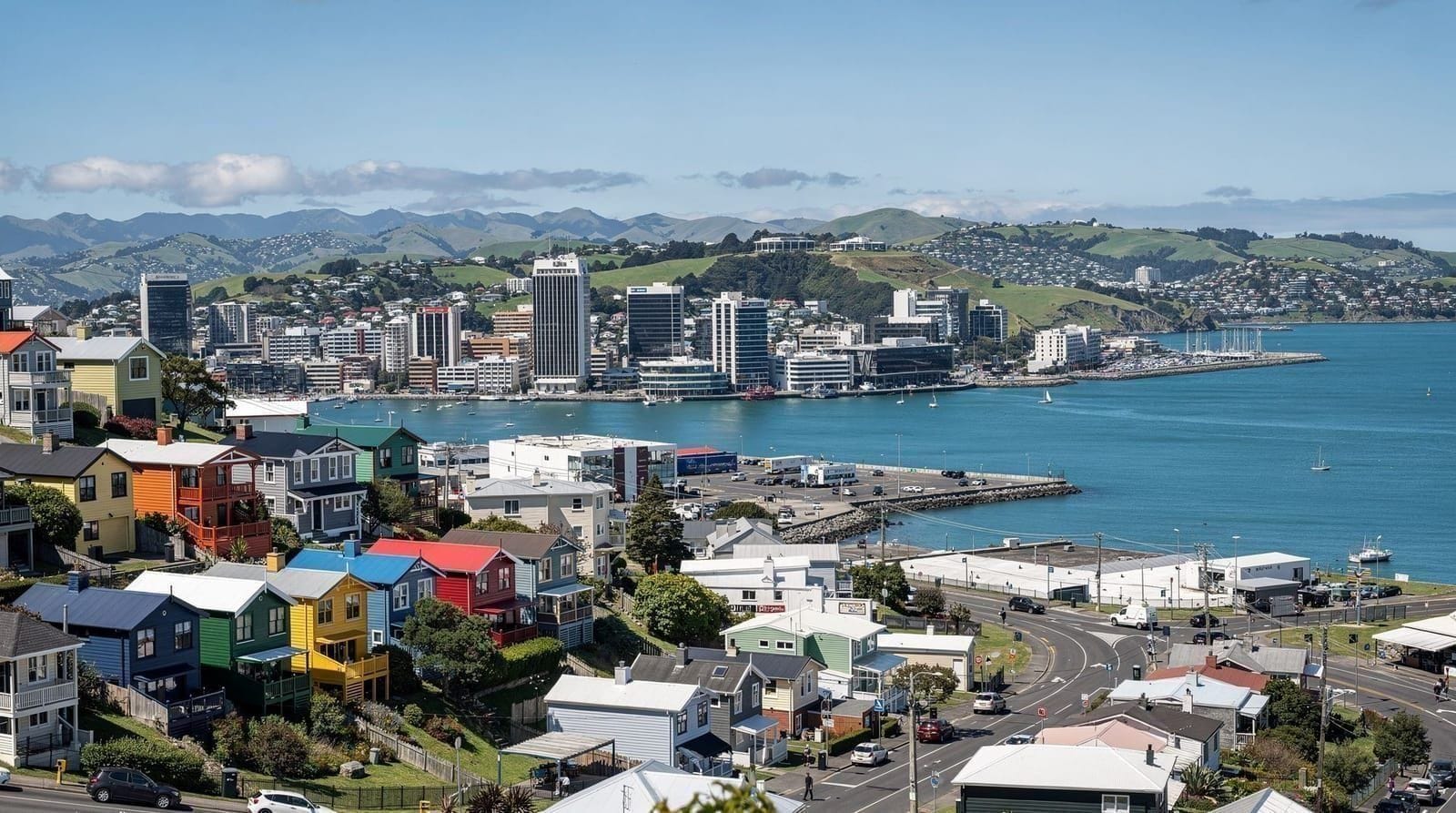
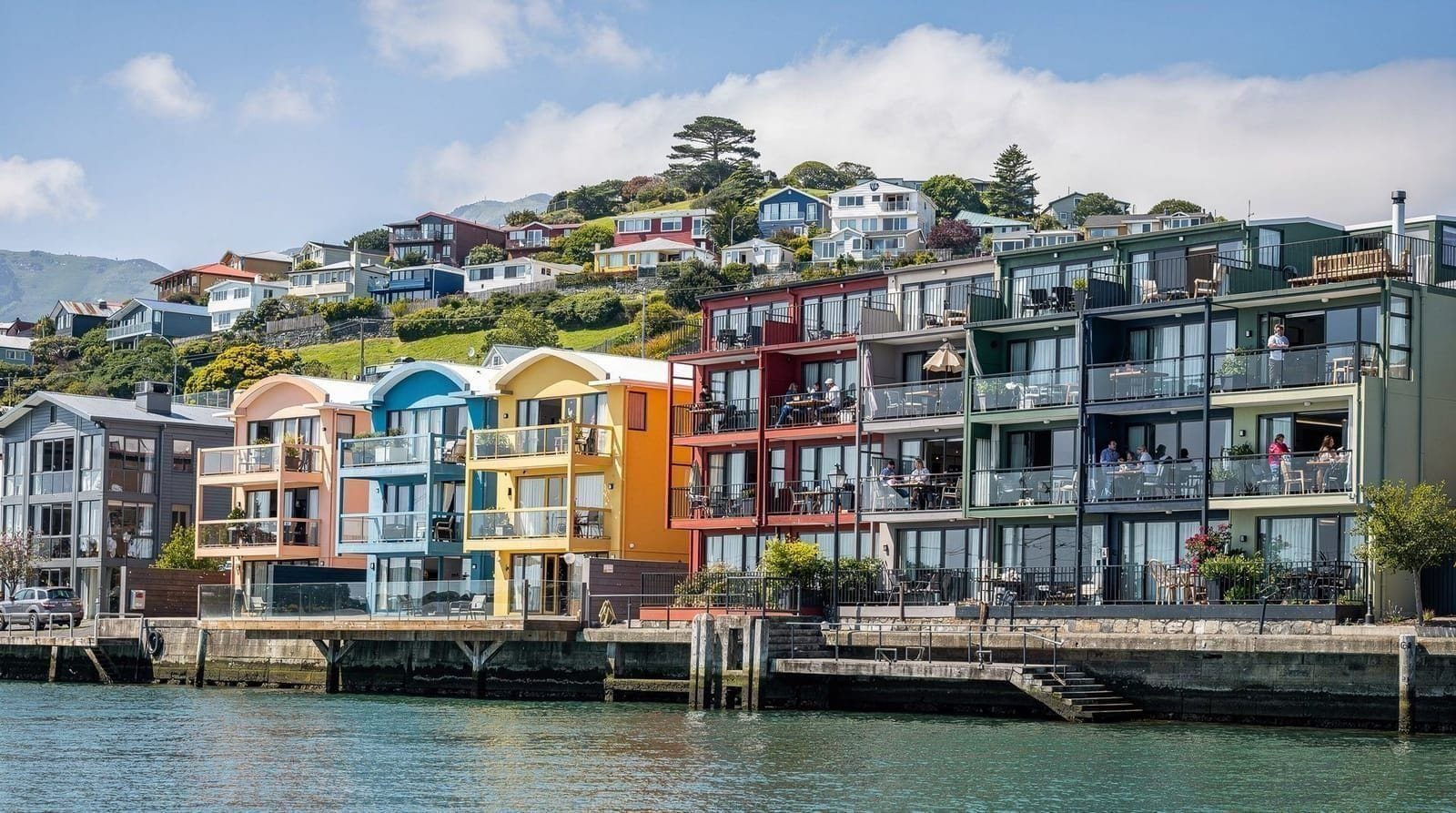
Best time to visit Wellington
What is the best time to visit Wellington?
Autumn (March-May) is generally the best time to visit — mild temperatures (18-25°C), fewer crowds than summer, and accommodation prices 20-30% below peak. Summer (December-February) is hottest and busiest but also most expensive; winter (June-August) is cool, wet and windy but cheapest, with rougher Cook Strait ferry crossings.
Wellington’s seasons, honestly compared
Wellington’s southern-hemisphere seasons run opposite to the northern hemisphere’s, and the city’s notorious wind and temperate maritime climate mean the “best” time to visit depends as much on what you’re prioritising — mild weather, low prices, or fewer crowds — as on any single ideal window. This guide compares the four seasons directly, with realistic temperature, rainfall and price expectations for each.
| Best overall | Autumn (March-May) — mild, good value, fewer crowds |
| Warmest | Summer (December-February), also busiest and priciest |
| Cheapest | Winter (June-August), 30-40% below summer accommodation rates |
| Avoid if possible | Christmas/New Year fortnight — premium pricing, highest crowds |
| Ferry note | Winter crossings more prone to rough weather and delays |
Autumn (March-May): the strongest overall pick
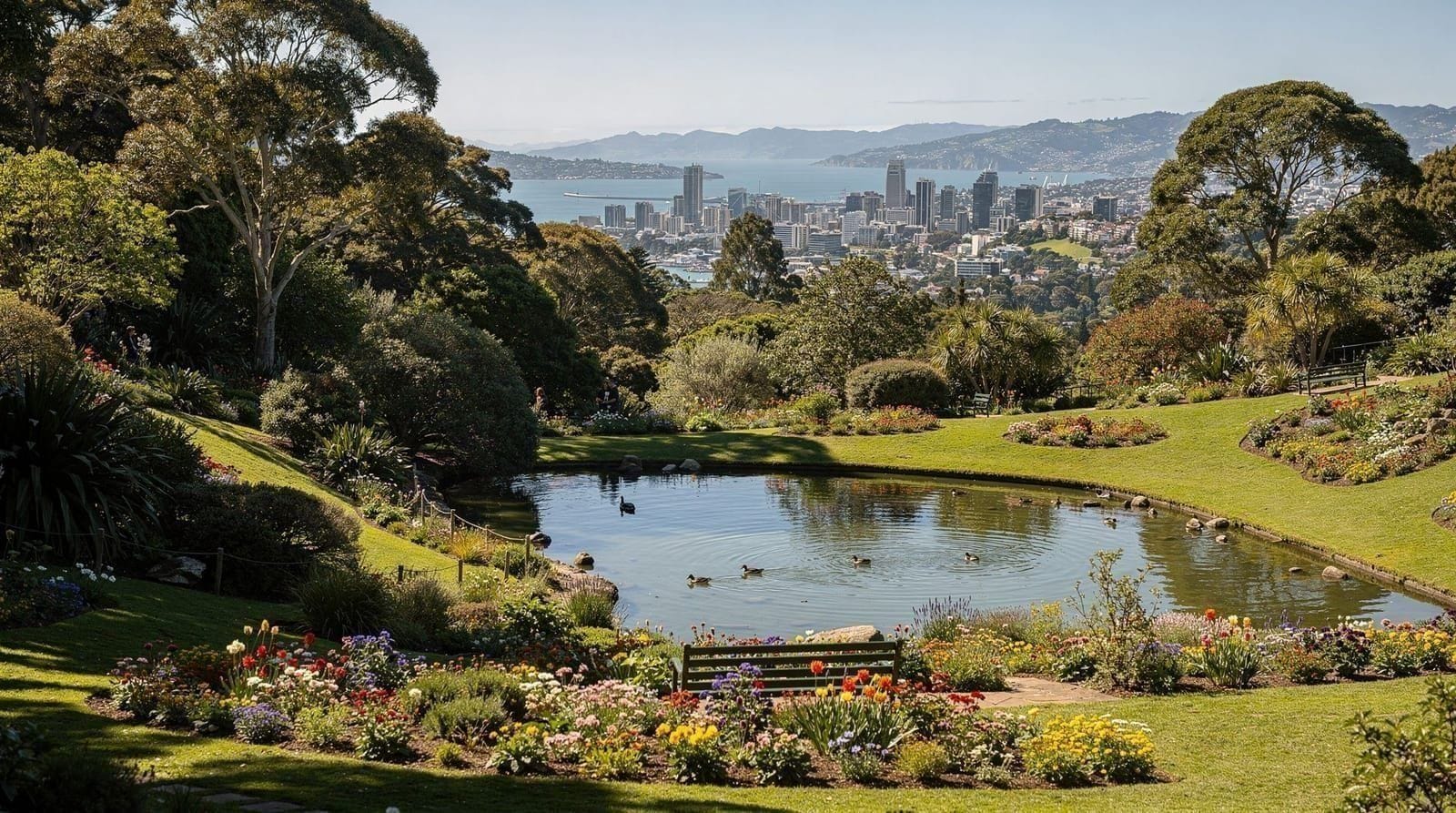
Autumn is Wellington’s best-value season by most measures: temperatures hold at a pleasant 18-25°C, similar to summer but without the same crowds, rainfall stays relatively low, and accommodation prices typically drop 20-30% from summer peaks. The Botanic Garden shifts into autumn colour through this period, adding a specific visual reward to a season that’s already strong on weather and value. For visitors with flexible dates and no particular reason to visit in a specific season, autumn is the most consistently recommended window.
Summer (December-February): peak crowds, peak prices, best weather
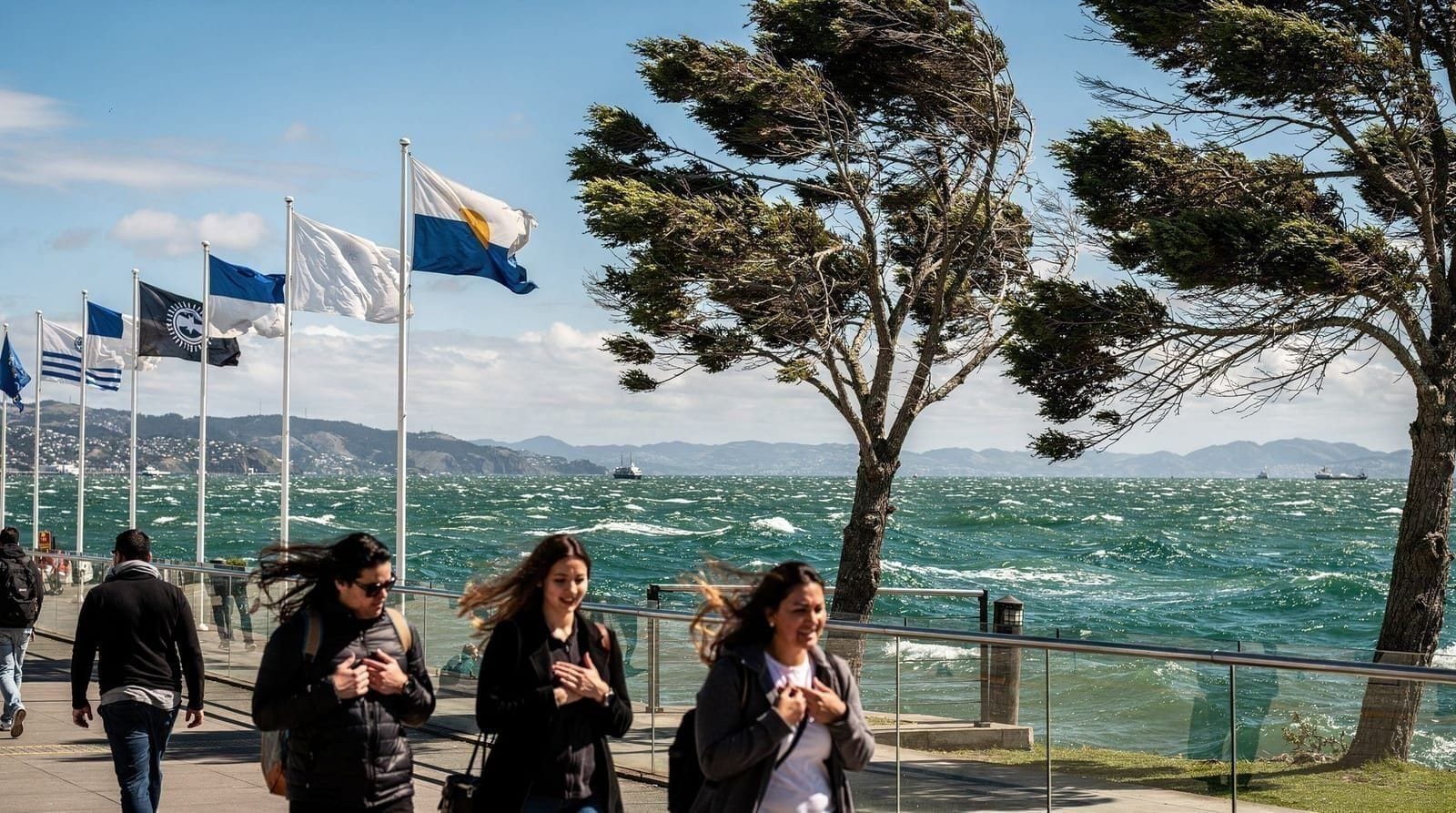
Summer brings the warmest, driest weather of the year, alongside the year’s biggest crowds and highest prices — accommodation, flights and popular attraction bookings all peak through this window, particularly around Christmas/New Year and the school summer holidays. Outdoor dining, harbour swimming at the waterfront’s public pools, and Wellington’s festival calendar (including the Fringe Festival in February) are all at their best in summer, making it a reasonable trade-off for visitors prioritising weather and events over cost or crowd avoidance. It’s also, notably, still windy — Wellington’s reputation as the “Windy City” doesn’t take a summer break.
Winter (June-August): cheapest, quietest, coolest
Winter brings cooler temperatures (8-14°C), more rain, and Wellington’s wind at its most persistent, alongside the year’s lowest accommodation prices (30-40% below summer) and the quietest crowds by a clear margin. It’s a genuinely good season for budget-focused travellers willing to trade warm weather for savings, since most of Wellington’s headline attractions — Te Papa, Weta Workshop, Zealandia — are indoor or partly sheltered and unaffected by the season. The one meaningful downside for winter travellers with South Island plans: the Cook Strait ferry crossing is more prone to rough weather and delays in winter than in the calmer summer months, worth factoring into itinerary buffers.
Spring (September-November): warming up, still variable
Spring brings gradually warming temperatures and longer days, with rainfall more variable than autumn’s typically drier pattern — some spring weeks are genuinely pleasant, others still carry a fair bit of Wellington’s characteristic changeable weather. Prices sit at a similar standard tier to autumn, below summer’s peak but above winter’s discounts, making spring a reasonable middle-ground choice, particularly for visitors whose travel dates are fixed by other commitments (school terms, work schedules) rather than free to target autumn specifically.
Matching the season to your trip type
Couples prioritising a romantic, comfortable city break get the most consistent value from autumn’s combination of good weather and lower prices. Budget travellers, particularly those less fussed about weather, do best in winter. Families constrained to school holiday windows will most often be visiting in summer regardless of preference, and should book accommodation and popular tours well ahead given the seasonal demand. Wine-focused visitors have a specific extra reason to target autumn: Martinborough’s grape harvest runs through this period, adding harvest-season events and a particular atmosphere to a wine-country day trip.
Avoiding the worst of it
If there’s a single period worth actively avoiding rather than simply being aware of, it’s the Christmas and New Year fortnight specifically — premium pricing across accommodation and flights, the year’s highest crowds, and a number of smaller local businesses (particularly independent cafés) closing for a period around the holidays. Outside that specific window, Wellington doesn’t have a genuinely bad season so much as a range of honest trade-offs between weather, cost and crowds.
Packing for the season
Regardless of which season you visit, Wellington’s wind is a near-constant factor worth packing for specifically — our packing list for windy Wellington guide covers what to bring across all four seasons, since a windproof layer matters in January nearly as much as it does in July, even if the overall temperature range differs considerably.
Choosing your trip length around the season
The season can also inform how long to stay and how you structure your days. Winter’s shorter daylight hours and rougher outdoor conditions suit a itinerary weighted more toward indoor attractions (Te Papa, Weta Workshop) with regional day trips kept flexible around the weather, while summer and autumn’s longer, more reliable daylight support a fuller mix of outdoor walking, harbour activities and day trips. Our 2 days vs 3 days in Wellington guide and where to stay in Wellington guide both help shape a trip around your chosen season’s specific conditions.
Booking timing by season
Summer travel benefits most from early booking — accommodation, popular tours and any Cook Strait ferry car spaces all tighten considerably closer to peak dates. Autumn and spring sit in a more moderate booking window, generally still worth securing accommodation a few weeks ahead for the best rates, while winter offers the most last-minute flexibility, since demand is lowest and cancellation availability highest.
A quick seasonal comparison
| Season | Months | Temp | Rain | Crowds | Price |
|---|---|---|---|---|---|
| Autumn | Mar-May | 18-25°C | Low | Moderate | Best value |
| Summer | Dec-Feb | 18-25°C | Low | Highest | Highest |
| Winter | Jun-Aug | 8-14°C | High | Lowest | Lowest |
| Spring | Sep-Nov | Warming | Variable | Moderate | Standard |
Month-by-month notes worth knowing
December-January: peak summer, the year’s busiest and most expensive stretch, with Christmas and New Year carrying an additional premium and reduced hours at some smaller businesses. February: still warm and dry, with the Fringe Festival adding cultural events, but slightly less crowded than the December-January peak once school holidays wind down. March-April: the heart of autumn’s sweet spot — reliably mild, good value, and coinciding with Martinborough’s grape harvest. May: still comfortably within autumn’s range, with cooler evenings signalling the approach of winter. June-July: the coolest, wettest stretch, with the year’s lowest prices and quietest crowds.
August: still winter conditions but starting to show early signs of spring warming toward the month’s end. September-October: spring’s more variable early stretch, warming gradually with occasionally still-wintry days mixed in. November: closer to summer conditions, with longer days and generally more settled weather than earlier spring months, while still sitting below summer’s peak pricing.
How local events shape the calendar
Wellington’s festival calendar adds specific reasons to target (or avoid, depending on your preference for crowds) certain weeks regardless of season. World of WearableArt (WOW) in September/October, CubaDupa in the Cuba Street precinct in spring, and Beervana’s craft-beer celebration each draw significant crowds and temporarily tighten accommodation availability in their specific host weeks. Visitors keen to experience one of these events should book well ahead; those preferring a quieter visit might deliberately avoid those specific dates rather than the wider season they fall within.
Rainfall patterns across the year
Wellington’s rainfall is more evenly spread across the year than many destinations with a sharply defined “dry season,” though winter (June-August) does bring a genuinely higher frequency of wet days than the autumn and summer months. Even in the wetter months, rain in Wellington often comes as shorter, wind-driven showers rather than sustained all-day downpours, meaning a flexible daily plan with some indoor backup options (Te Papa, Weta Workshop, a café) handles the unpredictability better than expecting either a fully dry or fully washed-out day.
Daylight hours by season
Daylight hours vary considerably between Wellington’s seasons given its relatively high latitude for a capital city — summer days stretch into the evening past 8:30-9pm, while winter days can feel notably short, with darkness settling by around 5-5:30pm. This affects how much you can realistically pack into a single day’s sightseeing, particularly for outdoor activities like the Mount Victoria lookout or waterfront walk, which benefit from summer and spring’s longer light more than winter’s compressed daylight window.
Choosing a season around a South Island extension
If your trip extends across the Cook Strait ferry toward Picton, Marlborough or Kaikōura, the same seasonal logic broadly applies on the South Island side, with the added factor that ferry crossings themselves are more likely to encounter rough weather in winter. Visitors planning a South Island extension get the smoothest combined experience targeting autumn or late spring, balancing pleasant conditions in Wellington with a calmer Cook Strait crossing and good South Island touring weather.
How wind varies by season
Contrary to what visitors sometimes assume, Wellington’s wind doesn’t confine itself to a single “windy season” — it’s a persistent feature across the whole year, though the character of it shifts slightly: summer wind tends to arrive alongside otherwise warm, settled weather, while winter wind more often combines with rain and genuinely cooler temperatures, making the same wind speed feel considerably more uncomfortable in July than in January. Autumn and spring sit between these extremes, with wind present but somewhat less persistently paired with either summer’s heat or winter’s cold rain.
Cruise ship season and its effect on crowds
Wellington receives a number of cruise ship visits through the summer months (roughly November through March), and days when a ship is in port can noticeably increase foot traffic and queues at popular attractions like the cable car and Te Papa, even outside the traditional summer holiday peak. If you’re visiting during this window and want to avoid the busiest possible days, checking the port’s published cruise ship schedule in advance and planning key attractions around days without a ship in port is a genuinely useful, if slightly niche, planning tactic.
Shoulder-season value for specific interests
Wine-focused visitors gain a specific extra reason beyond general weather to target the March-May window, since it directly overlaps with Martinborough’s grape harvest and the associated Toast Martinborough festival weekend (when the town’s usual quiet character shifts considerably, for better or worse depending on your crowd tolerance). Wildlife-focused visitors interested in Zealandia’s night tours might instead lean toward winter’s longer, earlier darkness, which allows an earlier start time for guided night walks without needing to wait until particularly late in the evening. This Zealandia night tour is worth booking specifically for a winter visit, since the earlier start time fits more comfortably into an evening than waiting for a summer sunset.
Regional weather differences within a single visit
If your trip extends beyond Wellington itself — to Martinborough, Kāpiti or across to the South Island — be aware that each of these areas can have a meaningfully different microclimate from Wellington’s own coastal, wind-exposed conditions on the same day. The Wairarapa, sheltered by the Remutaka Range, often runs warmer and less windy than Wellington regardless of season, while Kaikōura’s coastal exposure on the South Island can bring its own distinct weather pattern independent of what Wellington itself is experiencing that day.
Photography and light quality by season
Autumn’s clearer, lower-angled light tends to produce some of the year’s best photography conditions around the harbour and cable car viewpoint, with the Botanic Garden’s turning leaves adding colour that summer’s uniform green or winter’s bare branches don’t offer. Winter’s more dramatic, moody skies suit a different kind of atmospheric photography, particularly around Cook Strait or the South Coast, for visitors specifically chasing a different visual style than autumn’s classic clear-day panoramas.
How flight prices track the seasons
International and domestic flight prices into Wellington broadly track the same seasonal demand pattern as accommodation, peaking through the summer holiday period and Christmas/New Year specifically, and easing considerably through the winter months. Booking flights several months ahead for summer travel, or taking advantage of winter’s more flexible, often cheaper fares if your schedule allows it, both help manage this cost alongside the accommodation savings already covered.
A seasonal recommendation by traveller type
Pulling the season-by-season detail together into direct recommendations: couples and honeymooners get the best overall value from autumn; families constrained to school holidays will most often visit in summer and should book well ahead; budget travellers and those comfortable with cooler, wetter weather do best in winter; and travellers with flexible dates but a preference for slightly warmer weather than autumn’s should consider late spring (October-November) as a solid middle-ground alternative.
Checking a live forecast rather than relying purely on seasonal averages
Seasonal averages are a useful planning baseline, but Wellington’s day-to-day weather is genuinely variable enough within any given season that checking a live forecast a few days before specific outdoor plans (the waterfront walk, Mount Victoria, a Martinborough day trip) is worth doing regardless of which season you’ve chosen to visit, rather than assuming a “good” season guarantees good weather on every individual day of your stay.
Balancing season choice against a fixed return-trip schedule
Many visitors don’t have full freedom over their travel dates given work, school or connecting flight constraints elsewhere in a wider trip, in which case this guide is more useful as a way to set realistic expectations for whichever season you’re locked into, rather than a prompt to reshuffle an otherwise fixed itinerary purely to chase autumn’s ideal conditions. A well-prepared summer or winter visit, packed and planned around that season’s specific realities, is still a genuinely good trip — simply a different one from an autumn visit rather than an inferior version of it.
Public holidays worth planning around
Beyond Christmas and New Year, New Zealand’s Waitangi Day (early February) and Anzac Day (late April) both fall within Wellington’s warmer months and can bring a modest bump in domestic travel and slightly tighter accommodation availability, though nowhere near the scale of the Christmas/New Year fortnight. Labour Day (late October) sits within spring and occasionally coincides with school holiday periods, worth checking against your specific travel dates if you’re targeting spring for its otherwise quieter, better-value conditions.
A final word on flexibility versus fixed dates
If you do have flexibility, even shifting a planned trip by a few weeks toward the heart of autumn (rather than its earlier or later edges bordering summer or winter) can meaningfully improve your odds of the mild, settled conditions this season is known for, since “autumn” as a three-month window still carries some internal variation between March and May. Checking recent years’ specific weather patterns for your intended travel weeks, rather than relying purely on the season’s general reputation, adds a further layer of confidence to your planning if your dates have that degree of flexibility.
Combining this guide with your wider planning
Once you’ve settled on a season, our Wellington trip cost and budget guide, where to stay in Wellington and packing list for windy Wellington guides all build naturally on the seasonal choice made here, translating it into concrete budget, accommodation and packing decisions for your specific travel window.
A quick reference by priority
Prioritising weather and value together: autumn. Prioritising warm weather and festivals above cost: summer. Prioritising the lowest possible cost and quietest crowds: winter. Constrained to a specific window by school terms or work: whichever season that falls in, packed and planned around that season’s specific realities using the detail in this guide rather than wishing for a different one.
The bottom line
Autumn (March-May) is Wellington’s strongest all-round season — mild weather, meaningfully lower prices than summer, and fewer crowds — making it the default recommendation for visitors without a specific reason to travel at another time. Summer suits those prioritising warm weather and festivals over cost or crowds; winter suits budget-focused travellers comfortable trading warmth for savings and quiet; and spring is a reasonable, if slightly more variable, middle ground for visitors constrained to that window by other commitments.
Frequently asked questions about Best time to visit Wellington
Is Wellington worth visiting in winter?
Yes, if you're budget-focused and don't mind cooler, wetter weather — accommodation runs 30-40% cheaper, the city is genuinely uncrowded, and most indoor attractions (Te Papa, Weta Workshop) are unaffected by the season. The Cook Strait ferry crossing is more likely to be rough, though.When is Wellington least crowded?
Winter (June-August) is the quietest season by a clear margin, followed by autumn outside of any specific event weekends. Summer (December-February), particularly around Christmas/New Year and school holidays, is the busiest and most expensive period.Should I avoid Wellington during any particular time of year?
Christmas and New Year specifically carry premium pricing and higher crowds, and many smaller local businesses close for a period around the holidays — worth checking specific opening hours if you're visiting in late December.Does the season affect the Cook Strait ferry crossing?
Yes — winter crossings are more prone to rough weather and delays than the calmer summer months, worth factoring in if your trip includes the Interislander or Bluebridge ferry to Picton.Does cruise ship season affect crowds at Wellington's attractions?
Yes — Wellington receives cruise ship visits roughly November through March, and days with a ship in port can noticeably increase queues at the cable car and Te Papa, even outside the traditional summer peak. Checking the port's published schedule helps plan around the busiest days.Is winter a good time for a Zealandia night tour?
Yes, arguably better than summer — winter's earlier darkness allows a guided night walk to start earlier in the evening rather than waiting until late, while the wildlife-watching experience itself is unaffected by the cooler temperatures.