Cuba Street guide: Wellington's bohemian heart
Wellington: All-Inclusive Craft Beer Brewery Tour
Wellington’s most distinctive street
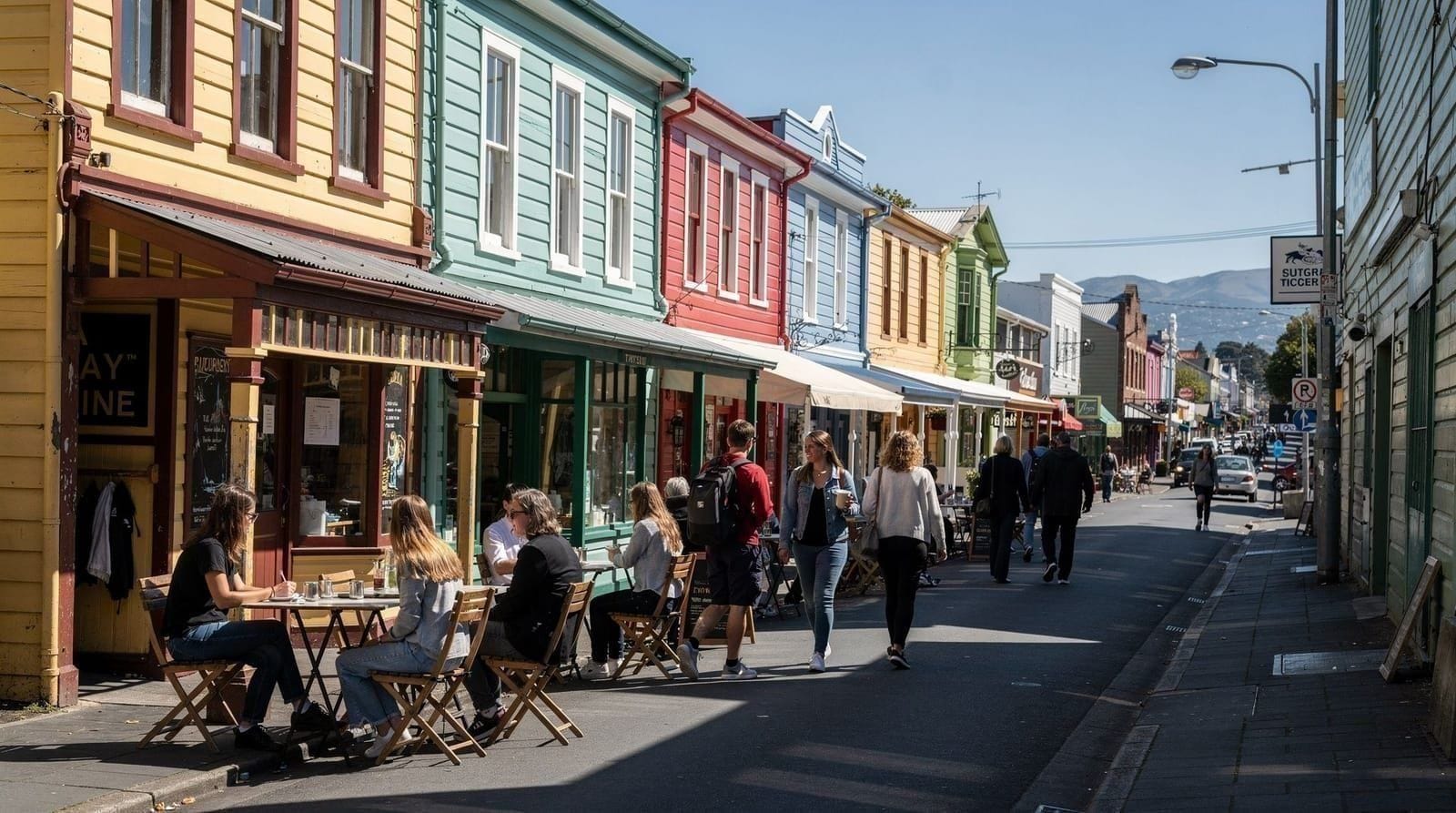
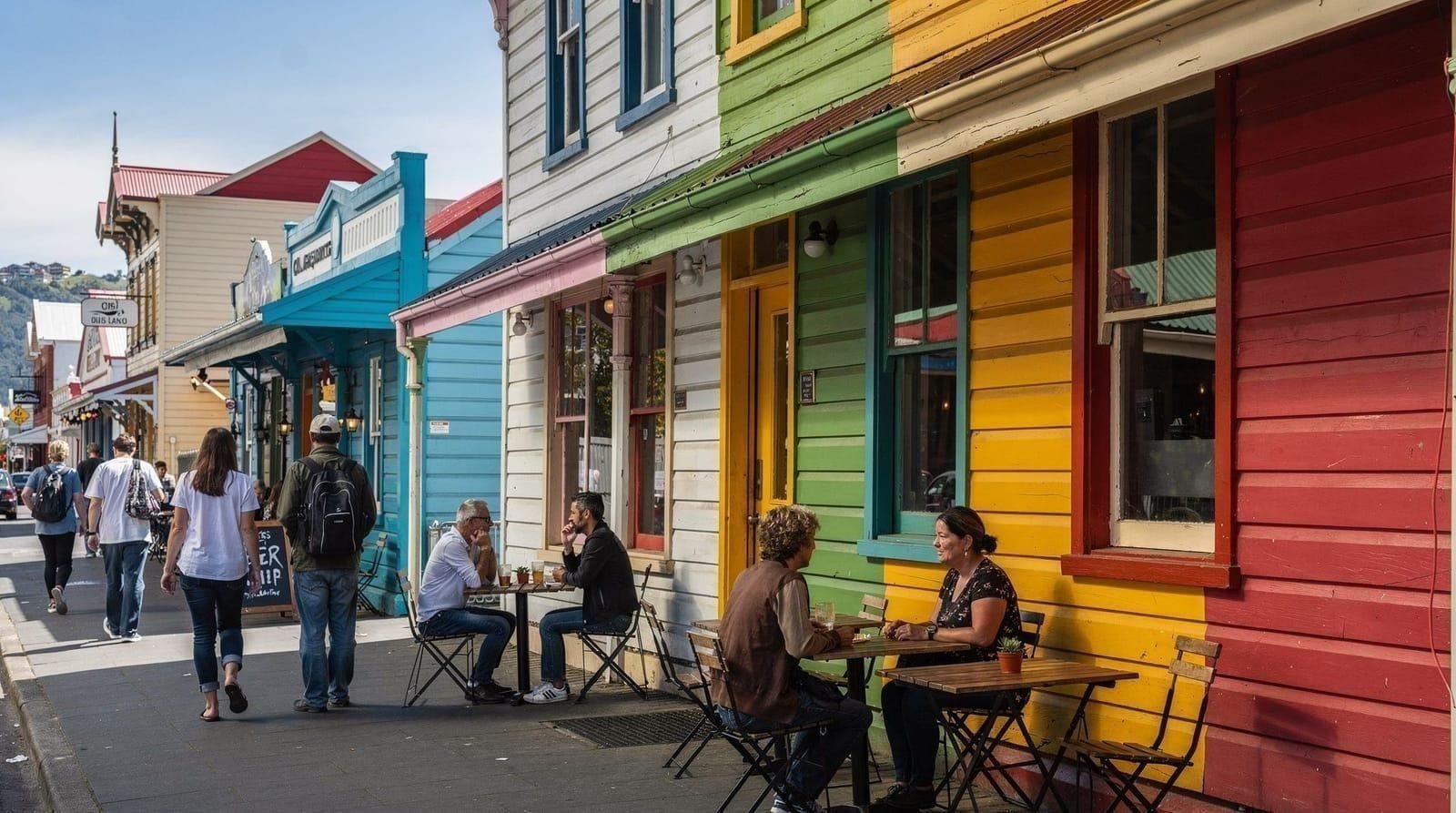
Cuba Street, a pedestrian-friendly strip running through the Te Aro neighbourhood, is the closest thing Wellington has to a single defining street — a genuinely bohemian mix of independent cafés, vintage stores, street art, craft-beer bars and restaurants that’s stayed distinct from the more corporate feel of Lambton Quay and the wider CBD. It rewards slow wandering rather than a single fixed itinerary, and this guide covers the specific landmarks, eating options and practical details worth knowing before you go.
| Where | Te Aro, between Ghuznee Street and Manners Street |
| Time needed | 1 hour minimum; a half-day for the full experience |
| Cost | Free to walk; food and drink from around NZ$5.50 |
| Getting there | 10-15 min walk from most CBD accommodation and Te Papa |
| Best for | Café culture, craft beer, vintage shopping, street art |
A short history of the street’s character
Cuba Street’s bohemian reputation dates back decades, having survived multiple waves of gentrification pressure that have reshaped comparable “alternative” strips in other New Zealand cities into more generic retail environments. A pedestrian mall section toward the southern end, closed to most traffic, gives the street a genuinely walkable, browsing-friendly character that the CBD’s wider, traffic-heavy avenues don’t share. This history matters for visitors expecting a polished, purpose-built tourist strip — Cuba Street is closer to a genuinely lived-in neighbourhood high street that happens to be excellent for visitors, rather than a district engineered primarily for tourism.
The Bucket Fountain
The street’s most photographed landmark is the Bucket Fountain, a quirky kinetic sculpture of cascading buckets that’s become an informal symbol of the street’s playful, unpretentious character. It’s a quick, free stop rather than a destination in itself, but worth pausing at for a photo, particularly if you’re walking the street’s length rather than stopping specifically to see it.
Cafés and the coffee scene
Cuba Street anchors much of Wellington’s celebrated café culture, with a genuinely high concentration of independent roasters and coffee bars along and just off the main strip. Flat whites here consistently hold up to the city’s strong reputation, and tip jars — rather than an expected service charge — are the norm at most of them. Our Wellington coffee capital guide goes into more depth on specific roasters if you want recommendations beyond simply walking until something looks appealing.
Craft beer and the brewery scene
Wellington’s craft-beer culture is similarly concentrated around Cuba Street and the wider Te Aro area, with several bars offering rotating taps from the city’s and wider region’s microbreweries. This all-inclusive craft-beer and brewery tour covers several of the area’s best spots with a guide who can explain the local brewing scene, useful if you’d rather not navigate the options solo. Our craft-beer trail guide has the fuller self-guided list.
Chocolate, sweets and a walking food odyssey
For visitors with a sweet tooth, this chocoholics walking odyssey tours several of Cuba Street’s dessert and chocolate specialists in a single guided outing, a genuinely different angle on the street’s food scene than the more common coffee-and-craft-beer framing. It’s a reasonable pick for families or anyone who’d rather build an afternoon around something sweeter than another coffee or beer stop.
Vintage and independent shopping
Cuba Street’s retail mix leans heavily toward vintage clothing, independent design stores and locally made goods rather than chain retail — a genuine point of difference from Lambton Quay’s more conventional shopping. Browsing costs nothing even if you don’t buy, and several stores are worth a look purely for their window displays and interior design, regardless of whether their stock matches your taste.
Street art and the neighbourhood’s visual character
Beyond the Bucket Fountain, Cuba Street carries a genuinely strong concentration of murals and street art along its length and in the surrounding Te Aro laneways, reflecting the area’s long-standing association with Wellington’s arts and creative community. It’s worth walking slowly rather than rushing between specific stops, since much of the street’s appeal comes from incidental discoveries rather than a fixed list of must-see murals.
CubaDupa: the street’s signature festival
CubaDupa, a street-arts festival typically held each March, transforms the entire strip into a car-free festival ground for a weekend, with music, performance and art installations drawing a genuinely large local crowd rather than a purely tourist one. If your visit lines up with the festival, it’s worth prioritising, though expect the street’s usual cafés and bars to be considerably busier than normal during the event.
Eating well on Cuba Street
Beyond the cafés and craft-beer bars already covered, Cuba Street and its immediate surrounds hold a genuinely strong concentration of Wellington’s best casual dining, from quick Asian food to more considered sit-down restaurants. Our Cuba Street food guide and best restaurants in Wellington guide both go into specific recommendations, and cheap eats in Wellington covers the budget end if cost is a bigger factor than ambience.
Nightlife after dark
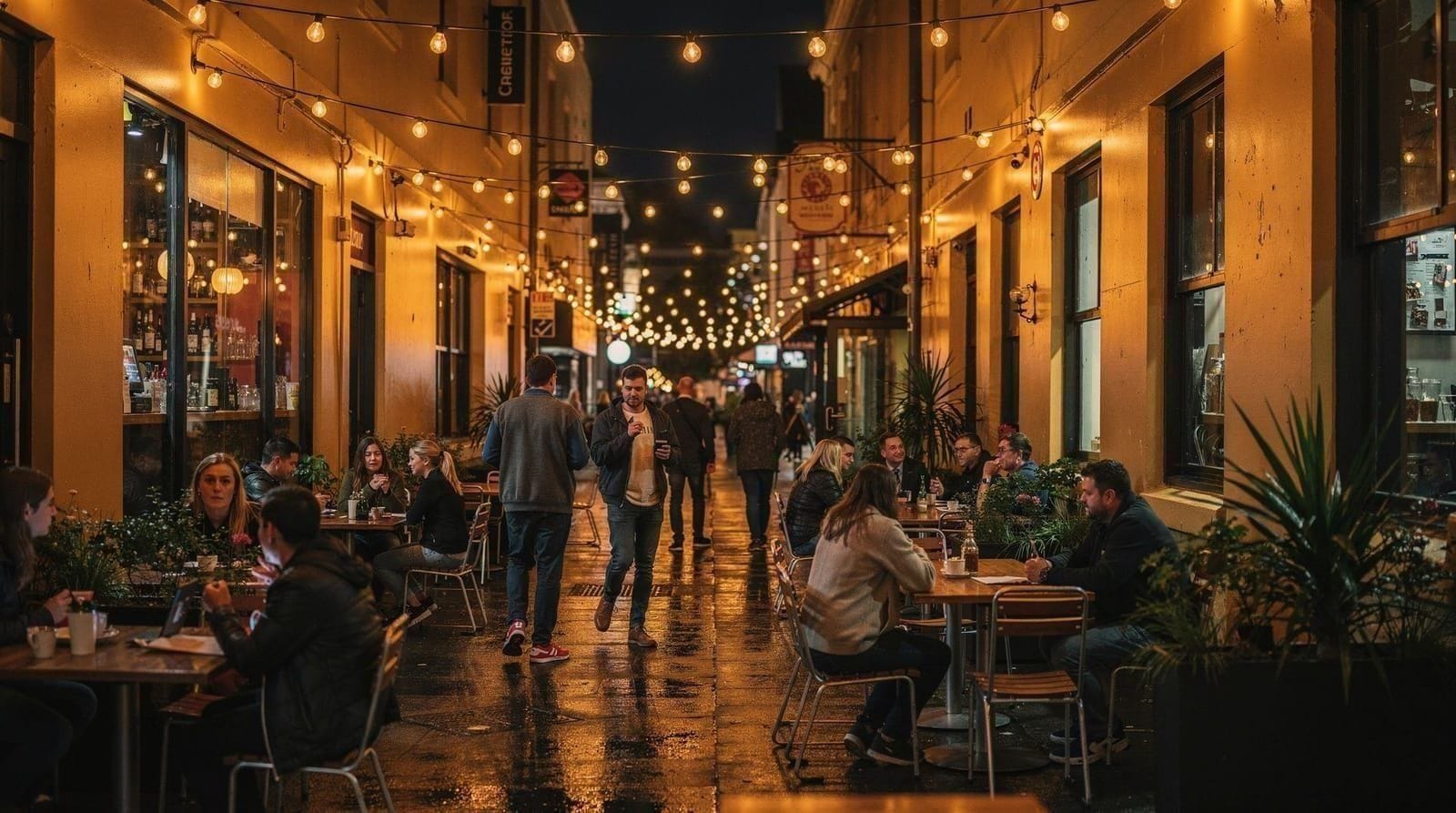
As evening sets in, Cuba Street shifts from a daytime café-and-shopping strip into one of Wellington’s main nightlife areas, with bars and later-opening venues carrying the street’s atmosphere well past dinner. It’s generally a safer, more genuinely local nightlife scene than some of the more concentrated bar strips elsewhere in the CBD, though the usual late-night caution around side streets after dark still applies. Our Wellington nightlife guide covers the specific venues and how the scene compares across different parts of the city.
How much time to budget
A focused walk through Cuba Street’s main landmarks — the Bucket Fountain, a coffee stop, a browse through a few vintage stores — takes about an hour, but most visitors end up spending considerably longer once lunch, a craft-beer stop or extended shopping enters the picture. Treating it as a half-day rather than a quick 30-minute detour gives a more realistic sense of what the street actually offers.
Getting there
Cuba Street sits within easy walking distance of most CBD accommodation and Te Papa, generally a 10-15 minute walk depending on your starting point, and is easily combined with a Wellington Cable Car and Botanic Garden visit earlier or later in the same day. No car or specific transport booking is needed to reach it.
Cuba Street versus Lambton Quay
Visitors deciding where to spend limited shopping-and-browsing time should know the two areas serve genuinely different purposes: Lambton Quay is Wellington’s more conventional retail and business strip, while Cuba Street carries the city’s independent, creative and nightlife character. Most visitors get more lasting value from Cuba Street specifically because it’s harder to replicate elsewhere — Lambton Quay’s retail mix resembles CBD shopping strips in many other cities, while Cuba Street’s particular mix of vintage, craft beer and street art feels more genuinely specific to Wellington.
Cuba Street with kids
Families walking Cuba Street should expect a genuinely kid-friendly daytime atmosphere despite its bohemian reputation — the Bucket Fountain in particular is a reliable hit with younger children, and several of the street’s cafés and casual eateries are relaxed about kids without feeling like dedicated family venues. The nightlife side of the street, covered above, is naturally less relevant for a family visit, so timing your walk for daytime or early evening rather than after dark makes the most sense if you’re travelling with children. Our Wellington with kids guide covers this alongside the city’s other family-friendly stops.
A self-guided walking route
Rather than wandering without structure, a reasonable self-guided route starts at the Te Papa end of the street, working north past the pedestrian mall section and the Bucket Fountain, stopping for coffee roughly a third of the way through, browsing vintage and design stores through the middle stretch, and finishing with lunch or an early dinner toward the Vivian Street end where several of the street’s more established restaurants cluster. This whole route takes 90 minutes to two hours at an unhurried pace, longer if you stop for a full sit-down meal partway through.
Comparing Cuba Street to other Wellington neighbourhoods
Against Oriental Bay’s more relaxed, sea-facing character or Miramar’s film-industry focus, Cuba Street stands out specifically for density — more cafés, bars, shops and street art packed into a shorter walkable stretch than either alternative offers. It’s the strongest single choice if your priority is café culture, craft beer and independent shopping in one place; Oriental Bay suits a slower, view-focused evening instead, and Miramar suits a specific film-heritage interest. Our Wellington neighbourhoods guide compares all of the city’s key areas side by side if you’re deciding how to split time across them.
Practical tips for visiting Cuba Street
Weekday mornings and early afternoons tend to be noticeably quieter than weekend afternoons and evenings, worth knowing if you prefer a more relaxed browsing pace over a livelier, busier atmosphere. Parking directly on Cuba Street itself is limited given the pedestrian mall sections, so arriving on foot, by bus, or parking a short walk away in the wider CBD generally works better than trying to find street parking directly alongside the strip. Cash is rarely needed given widespread card and contactless payment acceptance, though a handful of smaller, more informal stalls at markets or pop-up events may still prefer cash or a mobile payment app.
Seasonal character of the street
Cuba Street holds up well across all four seasons, though its outdoor seating areas and pedestrian mall naturally see less use during Wellington’s wetter winter months, when the street’s indoor cafés and bars take on a slightly greater share of foot traffic. Summer and the CubaDupa festival period in March bring the street’s liveliest, most crowded atmosphere, while a quieter winter weekday visit gives a more low-key, genuinely local read on the same strip. Neither season is objectively better — it depends on whether you’re after a lively, busy atmosphere or a quieter, more contemplative wander.
The street’s role in Wellington’s identity
Cuba Street occupies an outsized place in how Wellington sees itself, functioning as a kind of shorthand for the city’s broader self-image as a creative, independent-minded capital rather than a purely bureaucratic government town. Locals and long-term residents often point to Cuba Street specifically when explaining what distinguishes Wellington from Auckland’s more commercially driven character or from smaller New Zealand towns with a more conventional main street. This isn’t just marketing — the street’s survival as a genuinely independent retail and hospitality strip through several decades of economic pressure that reshaped comparable areas elsewhere reflects a real, sustained community investment in keeping it distinct, including deliberate heritage protections on several of its older buildings.
Where Cuba Street sits within Te Aro
Cuba Street forms the spine of the wider Te Aro neighbourhood, which extends into a grid of side streets carrying much of the same café-and-independent-retail character slightly off the main strip, often at lower prices and with fewer crowds than the street itself. Visitors who enjoy Cuba Street’s atmosphere but want a slightly quieter version of the same experience should factor in a short detour down one of the perpendicular side streets, where several excellent smaller cafés and restaurants operate without the higher foot traffic of the main pedestrian mall.
Combining Cuba Street with a wider day
Cuba Street pairs naturally with several other CBD activities within the same day — a morning at Te Papa or the cable car followed by an afternoon and evening on Cuba Street is one of the most common and effective ways to structure a Wellington day, since the street’s peak atmosphere (lively cafés, then bars as evening sets in) matches well with an afternoon-to-evening timeframe. It also works as a closing stop before or after a Weta Workshop visit in nearby Miramar, given the reasonable transport connection between the two areas. Our Wellington in 2 days itinerary builds directly on this pairing.
What first-time visitors get wrong about Cuba Street
The most common misconception is expecting a single, discrete “attraction” comparable to a museum or lookout, when Cuba Street is better understood as an ongoing atmosphere to move through rather than a fixed sight to check off. Visitors who arrive expecting a 20-minute photo stop at the Bucket Fountain and then leave often miss the street’s actual value, which comes from sitting down at a café, browsing a few stores properly, and letting the neighbourhood’s pace set the tempo rather than rushing through on the way to somewhere else.
Accessibility along the street
The pedestrian mall sections of Cuba Street are flat and generally easy to navigate for visitors with mobility considerations or pushing a stroller, though the street’s older buildings mean some individual cafés and shops have step-up entrances without ramps. Footpaths are wide enough for comfortable two-way pedestrian traffic outside of the busiest weekend afternoons, and the overall flat gradient of the street itself (unlike some of Wellington’s steeper CBD side streets) makes it one of the more accessible neighbourhoods to explore on foot regardless of walking ability.
A note on parking and arriving by car
If you are driving in from further afield — a Martinborough day trip returning in the evening, for instance — the wider Te Aro grid beyond the immediate pedestrian mall generally has more available metered parking than the street itself, and it’s often easier to park a five-minute walk away and approach on foot than to circle looking for a closer spot during busy periods. This is a minor logistical note rather than a significant obstacle, since most visitors reach Cuba Street on foot from central accommodation rather than driving in specifically for the street itself.
Weather and what to expect underfoot
Wellington’s wind and rain reach Cuba Street the same as anywhere else in the city, but the street’s mix of pedestrian mall sections and generous indoor café and bar seating makes it more resilient to bad weather than an outdoor-only attraction. On a genuinely wet or windy day, treat the street as a series of indoor stops connected by short, damp dashes rather than an extended outdoor wander, and see our Wellington wind survival guide for wider tips on planning around the city’s notorious gusts. A fine, still day, by contrast, is when Cuba Street’s outdoor seating and pedestrian mall genuinely shine, worth prioritising for this specific neighbourhood if your schedule has any weather flexibility.
Cuba Street through the day, hour by hour
| Time | Character |
|---|---|
| 8-10am | Quiet, café-focused, best for a slow coffee without crowds |
| 11am-2pm | Office lunch crowd, noodle bars and food-court options busiest |
| 2-4pm | The day’s quiet lull, good for browsing vintage shops |
| 5-8pm | Restaurants fill, craft-beer bars start their evening trade |
| 8pm onward | Nightlife takes over, bars busiest on weekends |
Solo visitors on Cuba Street
The street’s counter seating, small café tables and generally relaxed pace make it one of Wellington’s easiest neighbourhoods to explore alone, without the social pressure some restaurant-heavy districts carry for solo diners. A solo visitor can move at their own pace between a coffee stop, a browse through the vintage stores and an early dinner without needing to coordinate around anyone else’s preferences, which is part of why Cuba Street works particularly well as a first stop for travellers arriving in Wellington alone.
Photography tips for Cuba Street
The Bucket Fountain photographs best in the softer light of early morning or late afternoon rather than the harsh midday sun typical of an exposed pedestrian mall, and it’s also quieter then if you want a shot without other visitors in frame. Street art and murals along the wider Te Aro laneways are worth a wander with a camera even beyond the main strip — some of the more striking pieces sit a block or two off Cuba Street itself rather than directly on it. Evening shots of the street’s lit-up bars and cafés capture a genuinely different character from the daytime café scene, worth a return visit after dark if photography is a trip priority.
The bottom line
Cuba Street is Wellington’s single best neighbourhood for absorbing the city’s character in a concentrated area — café culture, craft beer, independent retail and street art all within a short, walkable strip. It rewards slow wandering over a fixed checklist, and pairs naturally with a Te Papa or cable car visit earlier in the same day. If you only have time for one Wellington neighbourhood beyond the core museum-and-harbour sights, make it this one.
Top experiences
Bookable activities with verified prices and instant confirmation on GetYourGuide.