Wellington first-timer's guide
Wellington: Guided Sightseeing Tour
What should a first-time visitor to Wellington know?
Te Papa (free) and the cable car are the two essential CBD sights; Weta Workshop and Zealandia are worthwhile add-ons rather than must-dos depending on your interests. The city is compact and walkable, wind is a genuine planning factor year-round, and Martinborough wine country is an easy, worthwhile day trip if you have three days or more.
What to expect from your first Wellington visit
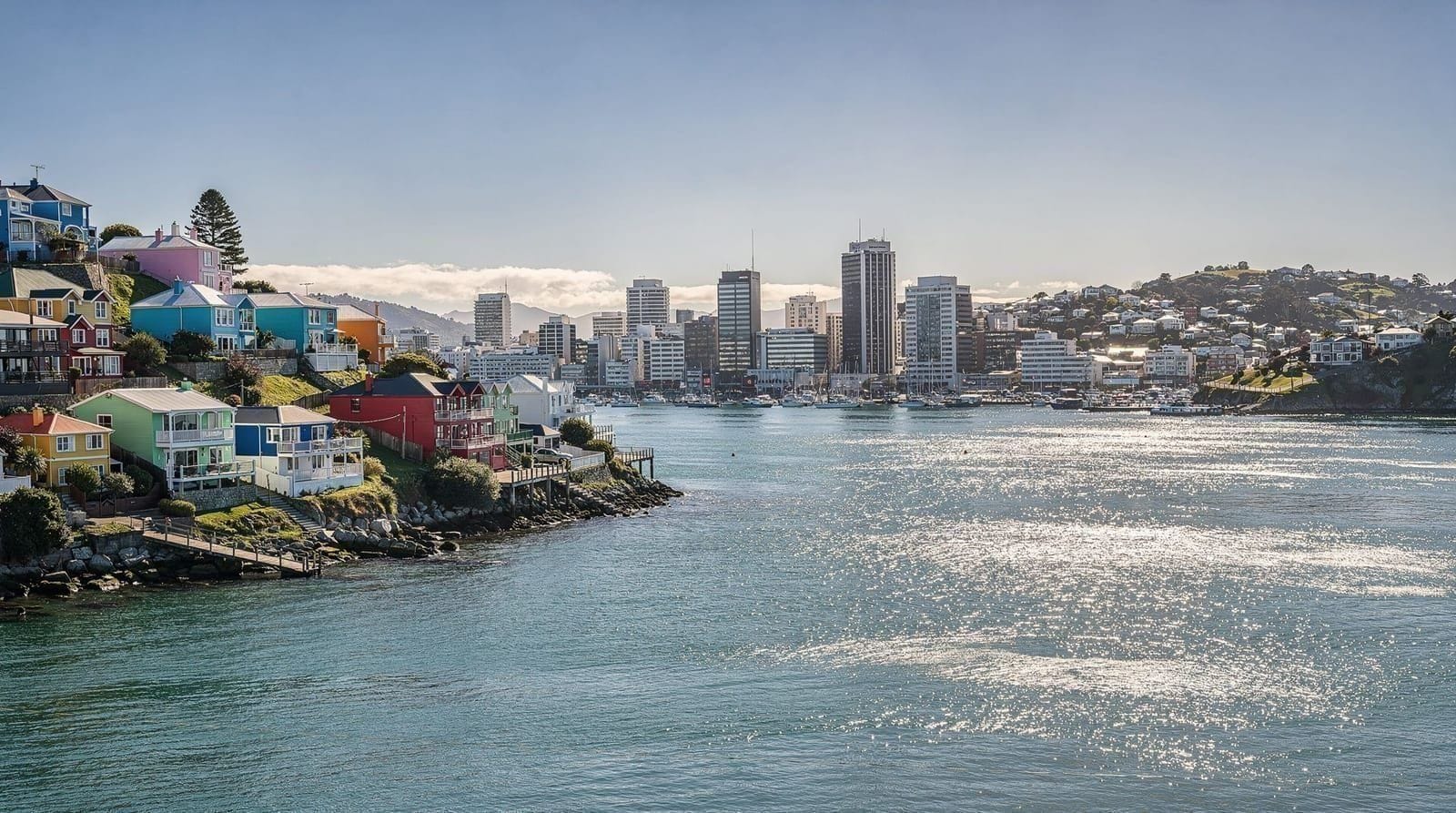
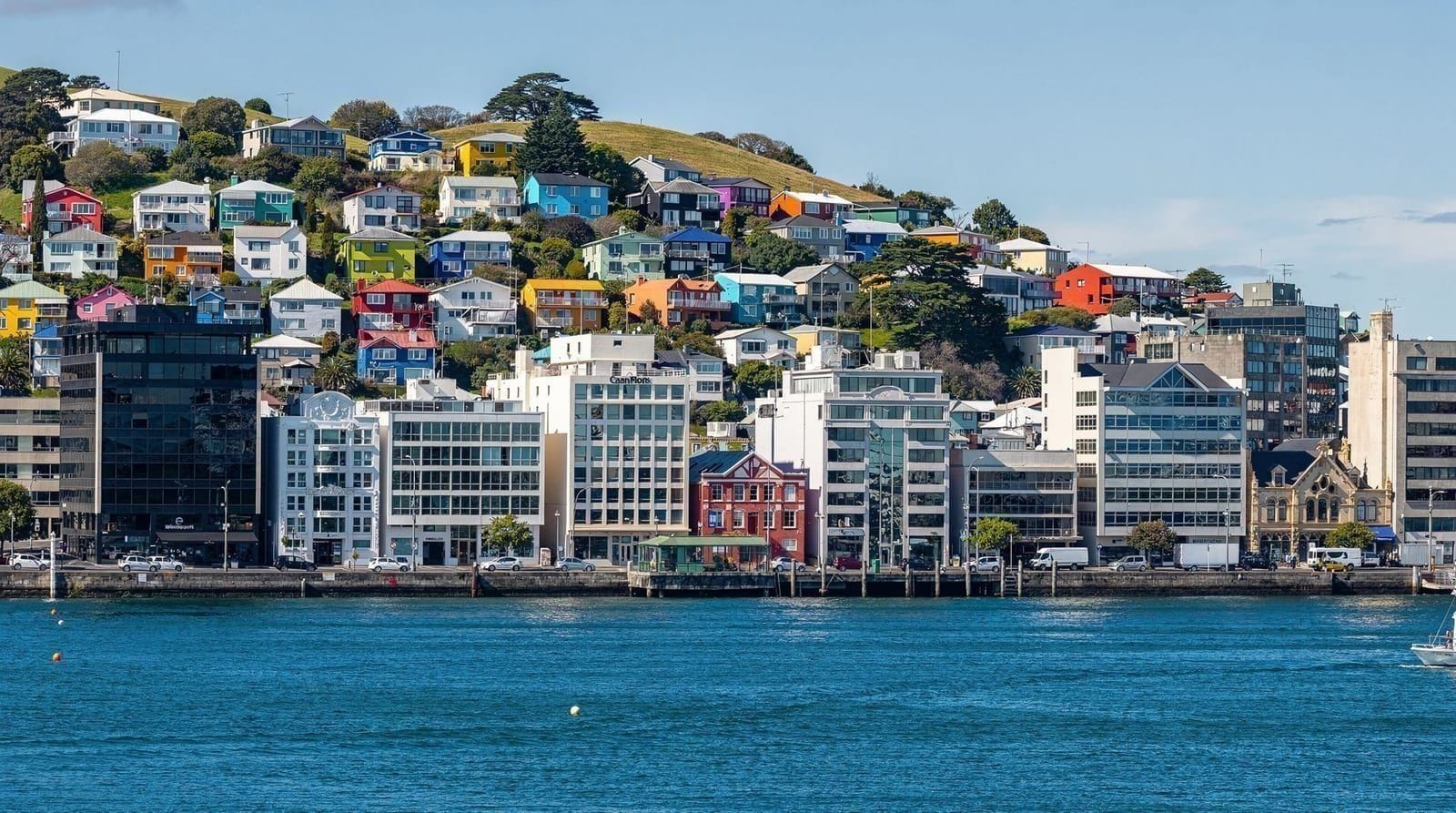
Wellington rewards first-time visitors who arrive with realistic, specific expectations rather than a vague sense that it’s “New Zealand’s capital and worth a look.” It’s compact, walkable, genuinely windy, and built around a distinctive mix of free museum culture, café-and-craft-beer life, film heritage, and easy access to wine country and the South Island via the Cook Strait ferry. This guide covers what a first-timer actually needs to know, cutting across logistics, priorities and common mistakes, rather than repeating a simple attractions list already covered in our things to do in Wellington guide.
| Where | Wellington CBD, North Island, New Zealand |
| Time needed | 2 days minimum, 3+ days recommended |
| Cost | Around NZ$280–400/day for a mid-range couple |
| Getting there | Airport Express bus, around NZ$9, ~20 min from the airport |
| Best time | March–May (autumn) for value and mild weather |
The two non-negotiables: Te Papa and the cable car
If you take away one piece of advice from this guide, it’s this: prioritise Te Papa and the Wellington Cable Car above everything else on a first visit. Both are central, efficient to visit, and deliver the strongest single impression of the city per hour spent — Te Papa’s free national collection and the cable car’s harbour panorama at the Kelburn terminal. Everything else on this list is genuinely optional by comparison.
Weta Workshop and Zealandia: pick based on your interests, not obligation
Wellington’s two other headline attractions, Weta Workshop and Zealandia, are both worthwhile but not universally essential — Weta Workshop suits Lord of the Rings and film-effects fans specifically, while Zealandia suits nature and wildlife-focused travellers more broadly. First-timers with limited time should pick one rather than trying to squeeze both in alongside the CBD basics, a mistake that consistently leads to a rushed, unsatisfying version of both.
How many days you actually need
Two full days covers the CBD essentials comfortably, as detailed in our Wellington in 2 days guide. A third day, covered in Wellington in 3 days, is where Wellington’s regional depth comes into play — most commonly a Martinborough wine day trip. A single day, covered in Wellington in 1 day, is workable for a transit stop but forces real trade-offs.
Getting from the airport
Wellington Airport sits about 8km southeast of the CBD, and the Airport Express bus (around NZ$9, roughly 20 minutes) is the easiest way in without a rental car. Our airport to city guide covers the full range of transfer options, including taxi and rideshare, if you’re arriving with significant luggage or at an odd hour.
Do you need a car?
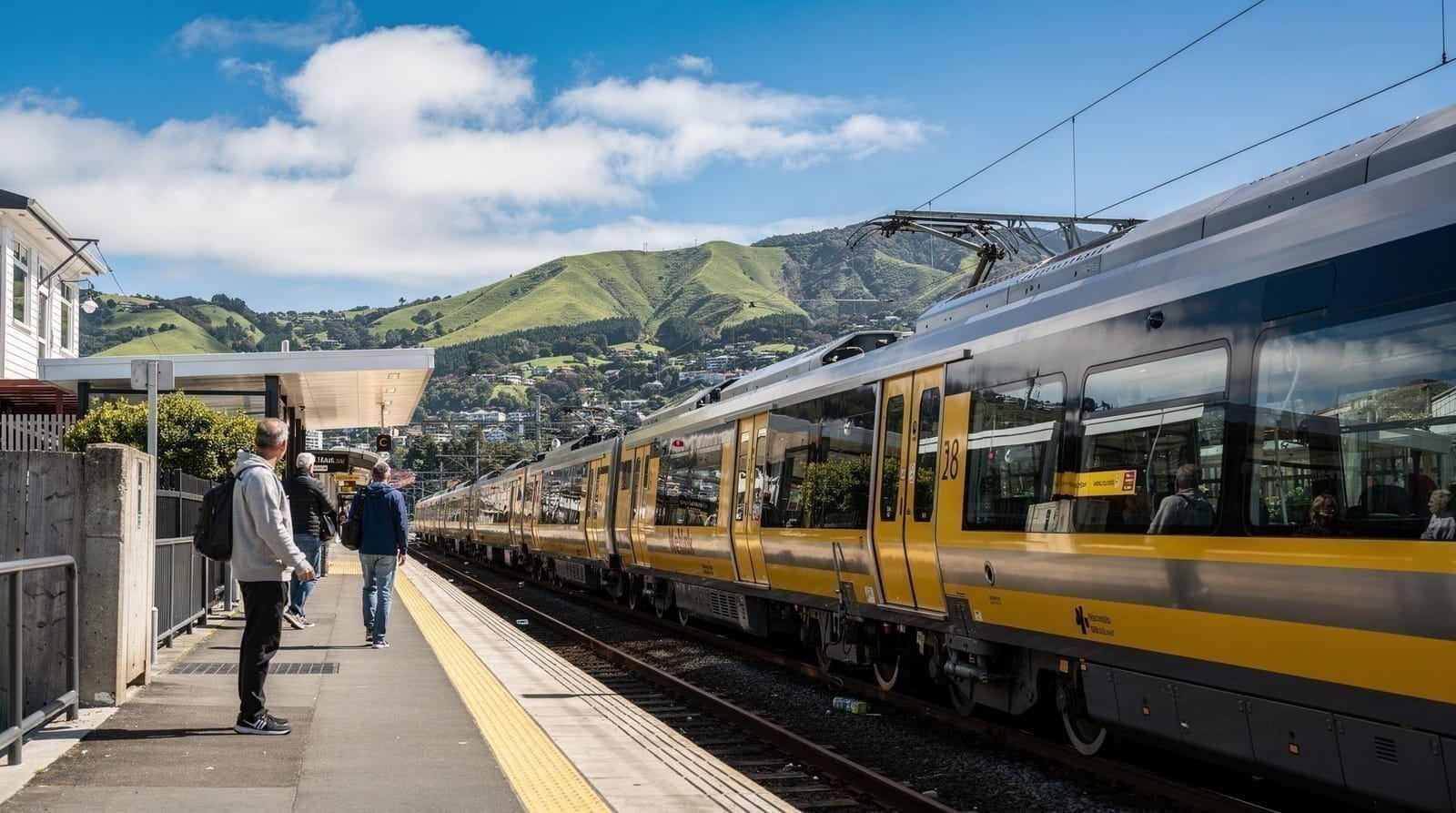
For the CBD itself, no — Wellington is genuinely walkable, and Metlink buses reach Weta Workshop (Miramar) and Zealandia (Karori) without a rental car. A car becomes more useful if you’re extending to Martinborough, the Kāpiti Coast or beyond, though a guided tour or self-drive day rental for just that portion of your trip is often more cost-effective than renting for the whole stay. See our do you need a car in Wellington guide for the fuller reasoning.
Wellington’s wind is not a novelty
Wellington’s reputation as the “Windy City” is genuinely earned, and it’s worth taking seriously in your packing rather than treating it as a quirky bit of local colour. Wind-resistant layers matter more here than a heavy coat rated purely for cold, since temperatures are often mild even when the wind makes conditions feel considerably harsher. Our wind survival guide and packing list for windy Wellington both cover this in practical detail.
Budgeting realistically
A mid-range couple should expect roughly NZ$280-400 per day, covering accommodation, food, local transport and one or two paid attractions — Te Papa’s free admission genuinely helps here. Our Wellington trip cost and budget guide breaks this down by category, and our more skeptical realistic Wellington trip budget piece flags where visitors typically underestimate costs.
Visa and entry requirements
Most visitors from visa-waiver countries need an NZeTA plus the International Visitor Levy (IVL), together running roughly NZ$117-123 per person, applied for online before departure rather than on arrival. Our NZeTA and IVL guide covers the process, best sorted well ahead of your trip.
Where to stay
Basing yourself in or near the CBD core, Lambton Quay, or the edges of Cuba Street/Te Aro puts you within walking distance of Te Papa, the cable car and the waterfront. Our where to stay in Wellington and Wellington neighbourhoods guide both go deeper into the trade-offs between specific areas.
Best time of year to visit
March-May (autumn) is the best-value season — mild temperatures, thinner crowds, and accommodation 20-30% below peak pricing. Summer brings the best weather but the highest prices; winter is cheaper but wetter and windier. Our best time to visit Wellington guide breaks down all four seasons.
A guided introduction if you’d rather not self-plan
If you’d rather have a knowledgeable local guide handle the logistics of your first day rather than self-navigating between Te Papa, the cable car and Cuba Street, this guided sightseeing tour covers the CBD’s essential sights in a single outing, a reasonable way to get oriented before exploring independently for the rest of your visit.
Common mistakes first-timers make
The most frequent mistake is underestimating Wellington’s wind and packing as though for a milder, calmer city. A close second is trying to fit both Weta Workshop and Zealandia into a single day, producing a rushed, unsatisfying version of both rather than doing one properly. A third is assuming a rental car is necessary for the CBD, when in practice it adds cost and parking hassle without meaningfully improving a visit that’s genuinely built for walking.
What locals wish visitors knew
Wellington locals frequently note that visitors overweight Weta Workshop relative to its actual appeal for non-fans, while underweighting the genuinely excellent café and craft-beer culture that doesn’t require a ticket or booking to enjoy. Our Wellington tourist traps guide covers this and other honest, locally informed notes on what’s overrated versus underrated across the city.
Extending beyond the city
Once you’ve covered the CBD basics, Wellington’s regional surroundings — Martinborough wine country, the Kāpiti Coast, and the Cook Strait ferry to Picton and the South Island — are genuinely worth building into a longer trip. Our best day trips from Wellington guide ranks the realistic options for a first-time visitor with a few extra days to spare.
Understanding Wellington’s compact geography before you arrive
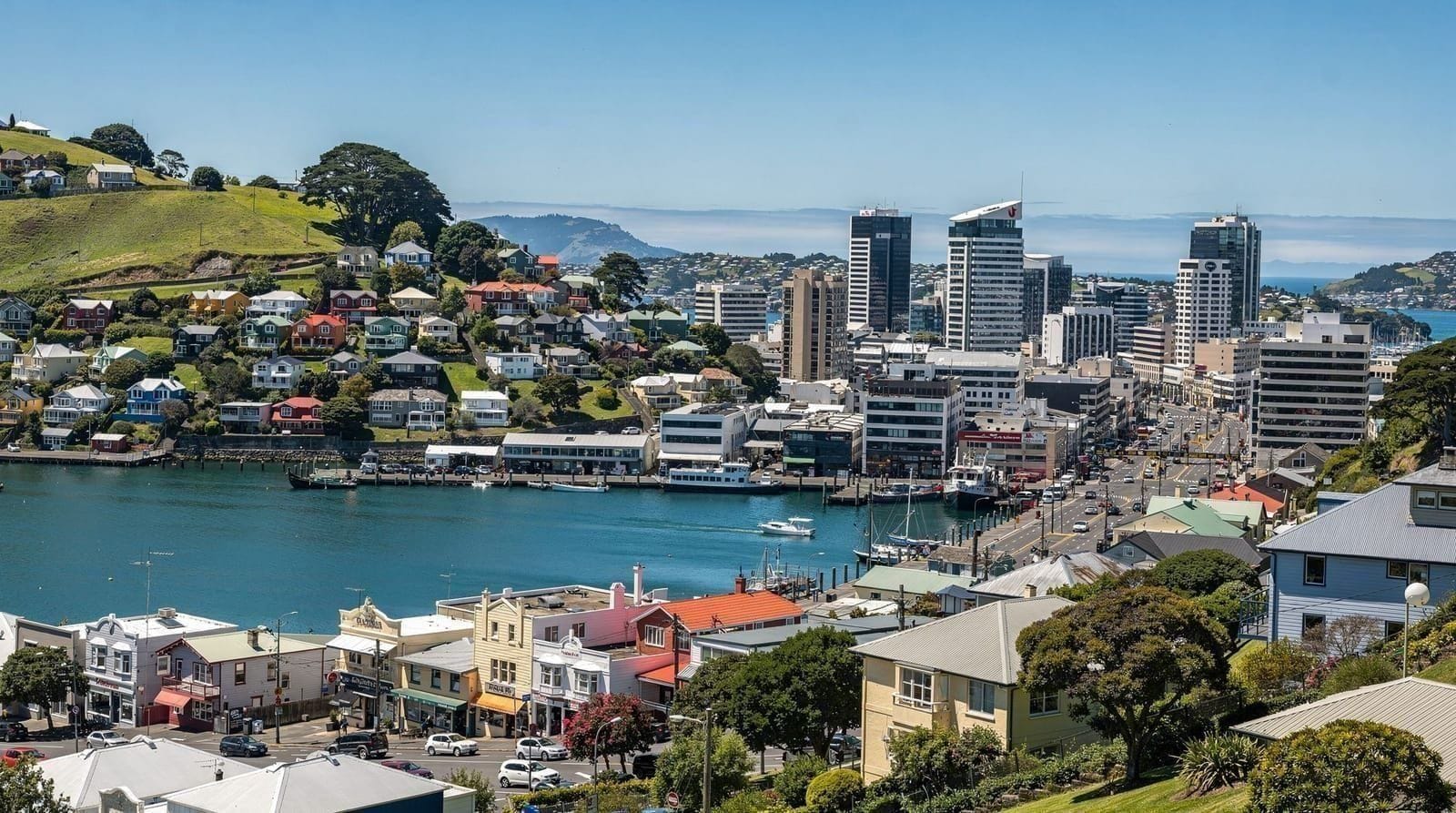
One of the more useful mental adjustments for a first-time visitor is recognising just how compact Wellington’s CBD actually is compared to what “capital city” might suggest — most of the essential sightseeing sits within a roughly 20-30 minute walking radius of Lambton Quay, considerably tighter than the geography of Auckland or most Australian capital cities. This compactness is a genuine advantage for a short visit, since it minimises transport time and lets you cover more ground on foot than the same number of days would allow in a more spread-out city. It also means overpacking your itinerary is easier to do than you’d expect, since attractions that look far apart on a general New Zealand map are often a short walk from each other in practice.
Connectivity and staying in touch
Setting up an eSIM or picking up a local prepaid SIM before or immediately on arrival keeps maps, transport apps and translation tools working throughout your visit without hunting for wifi at every stop. Airport kiosks and city retail stores both stock several options, and most visitors find a week’s worth of data runs somewhere in the NZ$20-50 range depending on provider and data allowance. This is a small logistical detail, but one that meaningfully smooths a first visit to any unfamiliar city, Wellington included.
Currency, cards and tipping
New Zealand’s currency is the NZD, and card and contactless payment are near-universal across Wellington’s cafés, restaurants and attractions — carrying significant cash isn’t necessary for most visitors. Tipping isn’t expected in the way it is in some countries, though rounding up or leaving loose change in a café tip jar is appreciated, particularly given the strong café culture running through much of this guide’s recommendations. Our Wellington trip cost and budget guide covers currency and payment practicalities in more depth.
Safety for first-time visitors
Wellington carries a genuinely low crime rate against tourists overall, with the main caution applying to Courtenay Place and its immediate side streets late at night, where the usual big-city precautions around well-lit streets and personal belongings are sensible rather than a sign of any particular danger specific to Wellington. Natural hazards, specifically earthquakes, are a genuine feature of the region given its position on an active tectonic boundary, though modern buildings are built and retrofitted to a high seismic standard and this shouldn’t be a significant source of anxiety for a short visit. Our Wellington earthquake safety for tourists piece covers the practical basics if you want more specific reassurance.
First impressions versus lasting impressions
Many first-time visitors arrive expecting Wellington to feel like a smaller, quieter version of Auckland, and instead find a city with a genuinely distinct identity built around government, arts, film and a specific café-and-craft-beer culture rather than simply a scaled-down version of New Zealand’s largest city. This initial recalibration — adjusting expectations from “smaller Auckland” to “genuinely its own place” — tends to happen within the first few hours of a visit, usually around the first Te Papa visit or the first Cuba Street coffee stop, and largely explains why so many first-time visitors leave with a considerably stronger impression than they arrived expecting.
Food expectations for first-timers
Visitors arriving with limited expectations of New Zealand food culture beyond lamb and seafood are often pleasantly surprised by Wellington’s genuinely diverse, high-quality casual dining scene, driven substantially by its café culture and a food scene shaped by successive waves of immigration into neighbourhoods like Newtown. The city’s reputation for excellent coffee holds up in practice rather than being an exaggerated local boast, and craft beer is similarly a genuine strength rather than a niche interest. Our best restaurants in Wellington and Wellington coffee capital guide both give first-timers a realistic sense of what to expect and specifically where to go.
Booking ahead: what actually needs it
Most of a first Wellington visit needs no advance booking at all — Te Papa’s general admission, the cable car, and general CBD sightseeing all operate on a walk-up basis with minimal queuing outside peak summer periods. Weta Workshop tour slots and Zealandia’s night tours are the two exceptions worth booking ahead, particularly in the December-February peak season, given limited group sizes at both. If a Martinborough day trip is part of your plan, a guided tour is worth reserving a few days ahead, though wineries themselves generally don’t require advance booking for casual tastings.
Language and communication
English is New Zealand’s primary language and spoken at a near-native level throughout Wellington, so language barriers are essentially a non-issue for visitors from English-speaking countries. Te Reo Māori, the country’s official co-language, appears throughout place names, greetings and cultural sites, and picking up a handful of basic terms before your visit — covered in our te reo Māori basics for visitors guide — genuinely changes how the city reads once you’re there, even for visitors with no broader interest in language learning.
What surprises most first-time visitors
Beyond the wind, first-time visitors are frequently surprised by three things: how genuinely walkable the CBD is compared to expectations set by other capital cities, how strong the café and craft-beer culture is relative to Wellington’s comparatively small size, and how much regional depth sits within easy reach via Martinborough, the Kāpiti Coast and the Cook Strait ferry. None of these surprises are negative — they’re simply gaps between a generic mental image of “New Zealand’s capital” and the specific, distinct character of the actual place, and closing that gap before you arrive, through a guide like this one, generally produces a smoother, more satisfying first visit than arriving with no specific expectations at all.
A realistic first-day plan
Putting the advice above into practice, a sensible first day starts with Te Papa in the morning, moves to the cable car and a short Botanic Garden loop around midday, and closes with an afternoon and evening on Cuba Street — food, coffee, and a look at the street’s independent shops and craft-beer bars. This sequence, detailed further in our Wellington in 1 day and Wellington in 2 days guides depending on your total time, gives first-timers a genuinely representative first impression of the city without requiring extensive advance planning.
Comparing notes: Wellington against other first-time capital-city visits
Visitors who’ve done a first-time visit to comparable capitals — Canberra, Wellington’s frequent comparison point for being a smaller, purpose-chosen seat of government rather than a country’s largest city — often arrive expecting something similarly quiet and government-focused, and are pleasantly surprised by how much more cultural and social life Wellington packs into its harbour-front setting. This comparison is worth keeping in mind if you’re deciding how much time to allocate Wellington within a wider trip that also includes Auckland or other New Zealand stops; it rewards more time than “just the capital” might suggest at first glance.
Free things to do if you’re watching your budget
Te Papa’s free admission does a lot of heavy lifting for a first-time visitor’s budget, but it isn’t the only no-cost option in the CBD. Wandering Cuba Street, the waterfront promenade, and the Wellington Botanic Garden all cost nothing beyond time, and our free things to do in Wellington guide rounds up the fuller list if the paid attractions (Weta Workshop, Zealandia, the cable car) are stretching your budget thin. Pairing a free morning with one paid headline attraction in the afternoon is a realistic way to keep a first day affordable without feeling like you’re missing the essentials.
Matching your trip length to your priorities
| Trip length | Best fit | What you’ll cover |
|---|---|---|
| 1 day | Transit stop, cruise call | Te Papa + cable car only, no regional depth |
| 2 days | Most first-time visitors | CBD essentials + one of Weta Workshop or Zealandia |
| 3 days | Wine lovers, unhurried travellers | CBD essentials + both Weta Workshop and Zealandia, or a Martinborough day trip |
| 4+ days | Regional explorers | CBD + Martinborough + Kāpiti Coast or Cook Strait ferry onward |
First-timer festivals and events worth checking
Wellington’s calendar includes several events genuinely worth timing a first visit around if your dates allow — World of WearableArt in spring, the CubaDupa street festival in March, and Matariki in winter chief among them. None are essential for a satisfying first visit, but checking your dates against our Wellington festivals and events calendar before finalising them takes only a few minutes and occasionally reshapes a trip for the better.
The bottom line
A first Wellington visit works best with realistic expectations: prioritise Te Papa and the cable car, choose one of Weta Workshop or Zealandia rather than both, pack for wind regardless of season, and skip the rental car unless you’re extending beyond the CBD. Two days is the practical minimum for a satisfying first visit, and three days genuinely rewards the extra time with a regional day trip most other New Zealand cities can’t match.
Frequently asked questions about Wellington first-timer's guide
How many days do first-time visitors need in Wellington?
Two days covers the CBD essentials comfortably. Three days adds a Martinborough day trip or lets you do both Weta Workshop and Zealandia rather than choosing one.Is Wellington expensive to visit?
Moderate by international standards — a mid-range couple should budget NZ$280-400 per day including accommodation, food and one or two attractions. Te Papa's free admission and the cable car's modest fare help keep costs down relative to cities with paid headline museums.Do I need a car in Wellington?
No, for the CBD itself — it's genuinely walkable, and Metlink buses reach Zealandia and Weta Workshop. A car becomes more useful only if you're extending to Martinborough, the Kāpiti Coast, or beyond.What's the biggest mistake first-time visitors make?
Underestimating Wellington's wind and not packing wind-resistant layers, and trying to fit both Weta Workshop and Zealandia into a single day alongside the CBD basics rather than choosing one or spreading them across two days.Should I book anything before arriving in Wellington?
The NZeTA and IVL application should be done online before departure, not on arrival. Weta Workshop tour slots and Zealandia's night tours are worth booking ahead in peak summer given limited group sizes, but Te Papa and the cable car operate on a walk-up basis with minimal queuing outside December-February.Is Wellington a good first stop or a better end to a New Zealand trip?
Either works well, since Wellington's compact CBD doesn't need acclimatisation time the way a larger, more spread-out city might. Many visitors use it as the link between the North and South Islands via the Cook Strait ferry, which makes it a natural midpoint rather than strictly a first or last stop.