Wellington tourist traps & overpriced spots
What are Wellington's biggest tourist traps?
The clearest patterns are waterfront cafés charging a 20-30% premium near Te Papa, certain harbour ferry trips that deliver limited time on the water for the price, souvenir shops on the main tourist strips marking up standard NZ-made goods, and treating Weta Workshop as a must-do rather than a niche film-fan experience. None of these are scams, exactly — they're just places where the hype outruns the value.
An honest list, not a hit piece
Most of this site is enthusiastic about Wellington, and that enthusiasm is earned — it’s a genuinely rewarding city to visit. But an honest planning resource has to flag the patterns where the marketing outruns the reality, and every destination this size has a handful. None of what follows is a scam or a warning to avoid Wellington altogether; it’s a practical list of where visitors commonly overpay for less than they expect, and what to do instead, so your money goes toward the parts of the city that actually earn it.
| Trap | The premium | Better alternative |
|---|---|---|
| Waterfront cafés near Te Papa | 20-30% over Cuba Street | Walk 5-10 min inland to Cuba Street |
| Generic harbour cruise add-ons | Higher price, little extra | Standard Days Bay/Somes ferry, NZ$10-15 |
| Tourist-strip souvenir shops | Noticeable markup | Compare 2-3 shops a block away |
| Airport taxi rank | More than the alternatives | Metlink Airport Express, around NZ$9 |
Why this pattern exists at all
Every tourist trap on this list follows the same basic economics: high, largely one-time foot traffic near a major attraction reduces a business’s need to compete on price or quality to stay full, since most of its customers won’t be back next week to compare notes. Cuba Street’s cafés, by contrast, survive on repeat local trade in a dense cluster of dozens of competitors, which keeps both pricing and quality more honest simply because customers have easy alternatives next door. Understanding this mechanism is more useful than memorising a specific list, since it lets you spot a likely trap in any city — proximity to a landmark, one-time customer flow and limited nearby competition are the three ingredients, and they show up in the same handful of places in Wellington as they would anywhere else.
Waterfront cafés near Te Papa
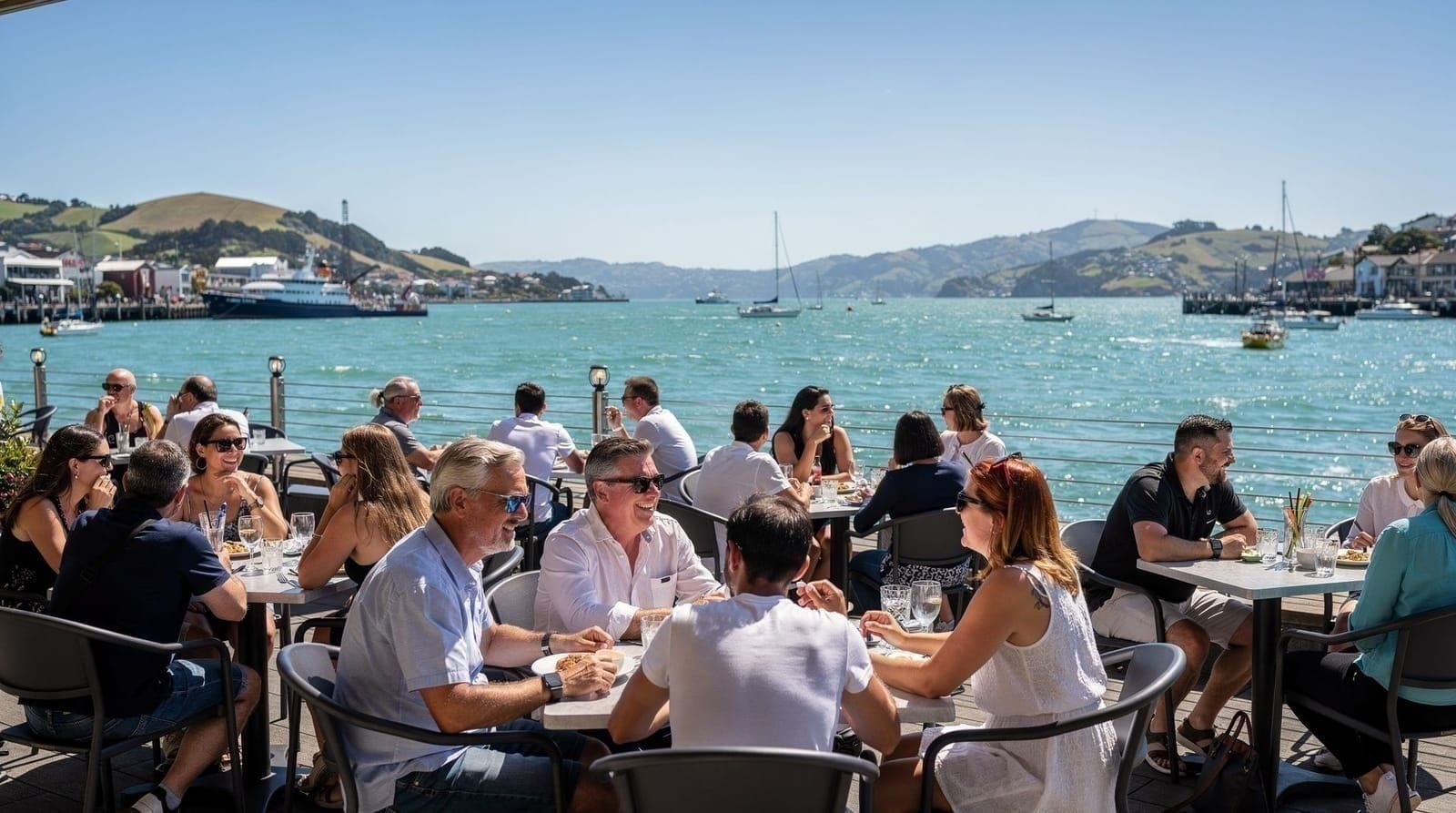
The clearest, most consistent pattern in Wellington is the strip of cafés directly facing the harbour near Te Papa and the cruise-ship terminal. They benefit from a captive audience of museum-goers and cruise-day visitors who haven’t yet discovered Cuba Street, and the result is coffee and light meals running 20-30% above a Cuba Street equivalent, without a corresponding jump in quality — occasionally the opposite, particularly during peak cruise-ship season when kitchens are under pressure. Our full waterfront café warning covers this pattern in detail, including which nearby restaurants genuinely do earn their harbour-view premium. The fix is simple: walk five to ten minutes inland to Cuba Street, covered in our Cuba Street food guide and Wellington coffee capital guide.
In practical terms, a flat white that runs NZ$5.50-6.50 on Cuba Street can hit NZ$7-8 on the waterfront strip for a comparable, and sometimes less consistent, cup. A light lunch that costs NZ$15-20 inland can run NZ$20-28 on the water. None of these gaps are dramatic on a single purchase, but across a multi-day stay, if the waterfront becomes a default rather than an occasional stop, the difference adds up to a genuinely avoidable NZ$20-40 over a week for very little benefit beyond convenience.
Certain harbour ferry trips
Wellington’s harbour ferries to Days Bay and Matiu/Somes Island are genuinely pleasant, and not everything on the water is a trap — but a handful of short, generic “harbour cruise” products marketed heavily to first-time visitors deliver relatively little beyond what a standard NZ$10-15 Days Bay ferry ticket already provides, at a noticeably higher price for added commentary or a slightly longer route. Before booking any harbour cruise product, compare what it actually adds over the plain Days Bay or Somes Island ferry service — sometimes it’s a genuine step up (a proper narrated harbour tour with historical detail is a legitimately different product), and sometimes it’s the same view with a higher price tag attached.
Weta Workshop, treated as a mandatory must-do
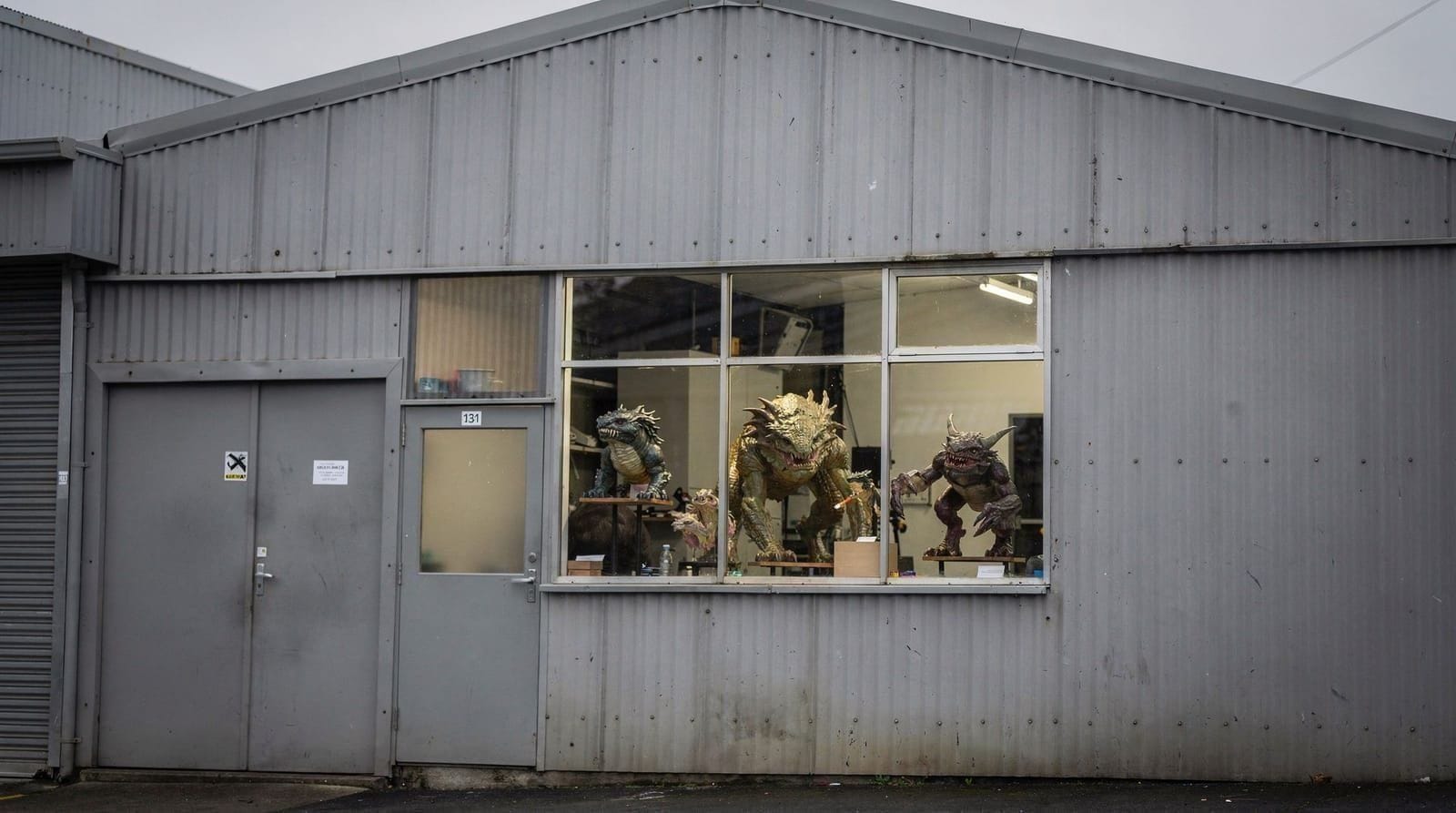
Weta Workshop is a genuinely excellent experience for Lord of the Rings fans and craft/costume enthusiasts, and this site recommends it often. The trap isn’t the attraction itself — it’s the assumption, pushed by a lot of generic “top things to do in Wellington” content, that every visitor needs to do it regardless of interest. At NZ$50-85 depending on the tour length, for roughly 1-1.5 hours, it’s a niche-appeal experience rather than a universal one, and visitors with no particular film interest sometimes come away feeling they paid a premium for a specialist tour that wasn’t built for them. Our dedicated Weta Workshop worth the money guide and Weta Cave vs Weta Workshop guide both help you decide honestly whether it fits your specific interests before booking.
Souvenir shops on the main tourist strips
Souvenir stores directly along the busiest tourist paths — near the cable car’s Lambton Quay entrance and around Te Papa specifically — tend to price standard New Zealand-made goods (Merino wool products, pounamu jewellery, manuka honey) at a noticeable markup over what the same items cost at shops one or two blocks away, or at dedicated NZ-made stores slightly off the main strip. It’s not universal, and quality varies genuinely between shops, but comparing prices at two or three stores before buying a significant souvenir purchase — jewellery or wool clothing especially — routinely saves a meaningful amount without any drop in quality.
Generic “hop-on hop-off” style products
A handful of broad, generic sightseeing packages marketed heavily to first-time visitors bundle several attractions together at a combined price that, on close inspection, doesn’t actually beat booking the same attractions individually — particularly once you notice the bundle includes a stop or two you had no interest in visiting. These aren’t dishonest, exactly; they’re simply optimised for convenience and impulse booking rather than value, and a few minutes comparing the bundle’s total against booking the specific attractions you actually want individually often reveals the bundle isn’t the saving it appears to be. This is worth doing before any multi-attraction package purchase, not just in Wellington but anywhere a similar bundle is offered.
Overpriced “photo op” add-ons
A handful of attractions around the city sell an optional add-on photo package — a printed or digital photo taken by staff at a scenic point, priced separately from the core ticket — that costs disproportionately more than simply taking your own photo on a phone would. These aren’t hidden or deceptive exactly, since they’re clearly optional, but they’re worth skipping unless a professional photo genuinely matters to you, since the view itself photographs just as well on your own camera at no extra cost.
The Cook Strait ferry’s optional extras
The Interislander and Bluebridge ferries themselves are fairly priced transport rather than a trap, but the optional lounge upgrades and onboard dining packages sold alongside a standard ticket can add a disproportionate amount to the fare for a 3.5-hour crossing that most passengers are comfortable completing in standard seating. Our Cook Strait ferry booking pitfalls guide covers this in more detail, including which upgrades are genuinely worth it (rough-weather crossings, for instance, make a proper seat upgrade more defensible) and which are marginal.
Overpriced parking near major attractions
Paid parking directly adjacent to popular attractions — right by the cable car’s Lambton Quay base, or immediately around Te Papa — runs at a premium compared with parking a short, easy walk further out. Given how compact and walkable central Wellington is, walking five to ten extra minutes from a cheaper car park routinely saves several dollars an hour without meaningfully affecting your day.
Restaurant menus with an “English translation” markup
Occasionally a restaurant directly on a busy tourist path will run two effectively parallel price points — a slightly higher one on the version of the menu handed to obviously foreign visitors versus what a regular local customer pays for the same dish, sometimes disguised as a “tourist menu” with a marginally different combination of items designed to obscure the comparison. This is far from universal in Wellington and nowhere near the scale seen in some heavily touristed cities elsewhere in the world, but it’s worth a moment’s attention if a menu feels oddly structured or a price seems high relative to what you can see other, clearly local diners paying at nearby tables.
What genuinely isn’t a trap
It’s worth being fair about what doesn’t belong on this list, since an honest guide cuts both ways. Te Papa is free and excellent — no trap there at all. The Wellington Cable Car at NZ$9-11 return is fairly priced for what it delivers, a genuine transport link with a scenic bonus rather than a pure tourist gimmick. Zealandia’s day and night tours, at NZ$55 and NZ$85 respectively, deliver a genuinely unique wildlife experience unavailable elsewhere in the world in quite the same form, and most visitors rate them as worth the cost — a guided Zealandia day walking tour is a fair-value example of a paid attraction genuinely earning its price. The craft-beer and coffee scenes, away from the waterfront specifically, are consistently fairly priced and high quality.
Overpriced accommodation and how to avoid it
Accommodation follows a milder version of the same pattern: hotels and Airbnbs directly on the waterfront or immediately next to major attractions often charge a location premium that a room a few streets back doesn’t, for a broadly similar standard of room. Our where to stay in Wellington guide breaks down neighbourhood trade-offs in more depth, and our Wellington first-timers guide covers how to weigh location convenience against price for a short visit specifically.
Overpriced airport transfers
The taxi rank directly outside Wellington Airport’s arrivals area is convenient but not necessarily the cheapest way into the city. A metered taxi to the CBD typically runs noticeably more than the Metlink Airport Express bus, which covers the same route in roughly 20 minutes for around NZ$9, or a pre-booked rideshare, which is frequently cheaper than a rank taxi for the same trip if you’re comfortable arranging it on your phone before collecting luggage. None of this makes the taxi rank a trap exactly — it’s a fair, metered fare for a legitimate service — but it is consistently the most expensive of the three realistic options for a solo or small-group arrival with manageable luggage. Our full airport to city guide covers every option in more detail, including what to do if you land outside standard Airport Express operating hours.
Is Wellington still worth it, given all this?
Absolutely — none of these patterns are unique to Wellington, and every one of them is easily avoided with a short walk or a few minutes’ comparison shopping. Our is Wellington worth visiting guide tackles the bigger-picture question directly, and the honest answer is yes; the things to do in Wellington list is full of genuinely good-value experiences that far outweigh the narrow, avoidable exceptions covered here.
How to spot a trap before you pay
A few practical signals help before committing money: proximity to a major attraction’s main entrance is often a reliable predictor of a price premium, regardless of the category of business; heavy promotion via hotel concierge desks and tourist-strip flyers sometimes (not always) correlates with a commission-driven recommendation rather than genuine local quality; and a quick price comparison — walking one more block, or checking a second shop before buying — costs little time in a city as compact and walkable as Wellington’s CBD.
A quick comparison: trap vs. fair value
Putting a handful of these side by side makes the pattern easier to spot in the moment. A waterfront coffee at NZ$7-8 versus a Cuba Street equivalent at NZ$5.50-6.50 is a trap-adjacent premium for no real quality gain. A NZ$9 Metlink Airport Express fare versus a considerably higher metered taxi fare for the same route is a straightforward convenience-versus-cost trade rather than a trap, but worth knowing about regardless. A NZ$55 Zealandia day tour or a NZ$9-11 cable car return, on the other hand, are priced fairly against what they deliver and shouldn’t be lumped in with the patterns above just because they’re popular with visitors — popularity with tourists isn’t itself a signal of poor value, and conflating the two is its own kind of mistake.
The bigger picture
None of these patterns should discourage a Wellington trip — they’re minor, avoidable and common to virtually every tourist destination of comparable size. What they do argue for is a slightly more deliberate approach: eating a short walk away from the busiest single landmark, comparing two shops before a significant souvenir purchase, and choosing attractions based on genuine interest rather than a generic “top 10” list. Our realistic Wellington trip budget guide builds these savings into an overall daily figure, and our cheap eats guide and free things to do guide both cover the flip side — where genuinely good value is easy to find rather than something you have to search for.
Sit-down restaurants versus tourist-strip cafés
The trap-versus-fair-value distinction extends to full meals, not just coffee. A restaurant genuinely worth the price justifies it with quality and service that holds up regardless of location, while a spot trading purely on foot traffic near a landmark often doesn’t need to. Our best restaurants in Wellington guide is built specifically around places that earn their price on merit rather than location, which is worth cross-checking against anything you’re considering purely because it’s the closest option to wherever you happen to be standing.
A word on reviews and ratings
One more honest note worth including: a high star rating alone doesn’t guarantee an attraction or restaurant is fairly priced, since review volume near major landmarks skews heavily toward one-time visitors without a comparison point, while dedicated local favourites a few blocks away sometimes carry fewer, but more discerning, reviews. This isn’t a reason to distrust reviews altogether — they’re still useful — but reading a handful of the more detailed, recent reviews rather than relying purely on the star average gives a clearer picture of whether a business’s pricing matches its actual quality, particularly for anything sitting directly next to a major attraction.
Frequently asked questions about Wellington tourist traps
Is Wellington generally an expensive city to visit?
It’s mid-range by New Zealand standards, comparable to Auckland and somewhat cheaper than Queenstown. Most of the patterns in this guide are about avoiding a specific, avoidable premium rather than Wellington being expensive overall — our realistic Wellington trip budget guide covers typical daily costs in detail.
Are Wellington’s harbour ferries a waste of money?
No — the standard Days Bay and Matiu/Somes Island ferry services, at roughly NZ$10-15, are genuinely good value for a scenic harbour crossing. The caution is specifically about a handful of pricier, more heavily marketed “harbour cruise” add-on products that deliver less over the plain ferry service than their price suggests.
Should I skip Weta Workshop entirely to avoid overpaying?
Not if you’re genuinely interested in film production, props or costume design — it’s a well-regarded experience for that audience at a fair price for what it delivers. The caution applies to visitors with no particular interest who book it only because it appears on generic “top things to do” lists.
Is it rude to compare prices between shops before buying in Wellington?
Not at all — it’s completely normal shopping behaviour and no local shopkeeper would consider it rude. Comparing prices at two or three stores before a significant purchase is standard practice anywhere, and Wellington’s compact CBD makes it genuinely easy to do within a few minutes’ walk.
Where’s the best place to buy souvenirs in Wellington without overpaying?
Shops a block or two away from the busiest tourist entry points — the cable car’s Lambton Quay base and the immediate Te Papa surrounds — tend to price the same New Zealand-made goods more fairly than the shops directly on the main path. Comparing two or three stores before a significant purchase is worth the extra few minutes.
Is the taxi from Wellington Airport a rip-off?
Not a rip-off exactly — it’s a fairly metered fare — but it’s consistently the most expensive of the realistic options for getting into the city. The Metlink Airport Express bus (around NZ$9, roughly 20 minutes) or a pre-booked rideshare are both cheaper alternatives for most arrivals.
Does this guide mean Wellington is a bad-value destination overall?
No — quite the opposite. Wellington’s overall cost of living and travel pricing sit at a reasonable mid-range for New Zealand, and the specific patterns in this guide are narrow, avoidable exceptions rather than evidence of a broader problem. Most of the city, away from a handful of landmark-adjacent spots, offers genuinely fair value.
Should I avoid all bundled sightseeing packages?
Not automatically, but check the total cost against booking the individual attractions you actually want to visit before assuming a bundle saves money. Bundles are genuinely good value when every included stop is one you’d have booked anyway; they’re weaker value when one or two stops are ones you have no real interest in.
What’s the single biggest money-saving tip for a Wellington trip?
Walk a short distance away from whatever major landmark you’ve just visited before eating or shopping. Cuba Street, a few minutes inland from the waterfront, consistently offers better value on food and drink than the strip directly facing Te Papa or the cruise terminal, without any drop in quality.
Is airport parking or the taxi rank the biggest transport trap in Wellington?
The taxi rank is the more consistent overpay, since it’s a fair metered fare but reliably more expensive than the Metlink Airport Express bus or a pre-booked rideshare for the same route. See our airport to city guide for a full comparison of every option.
Is accommodation directly on the waterfront a tourist trap?
Not exactly a trap, but it does carry a location premium over a comparable room a few streets back, similar to the pattern seen with waterfront cafés. It’s a legitimate choice if the view matters to you — just go in knowing you’re paying for location, not necessarily a better room.