Wellington in 3 days: the complete itinerary
Wellington: Private Day Tour with Lunch
What does a third day add to a Wellington trip?
Most commonly a Martinborough wine day trip (about 1h15 each way), or enough extra time to do both Weta Workshop and Zealandia properly rather than choosing one. Three days is also the minimum realistic window for adding a Kāpiti Coast half-day without over-scheduling.
What a third day genuinely unlocks
Two days, covered in our Wellington in 2 days guide, comfortably fits the CBD’s core sights plus one of Weta Workshop or Zealandia. A third day is where Wellington’s biggest differentiator against most other city breaks comes into play: genuinely excellent regional depth within easy reach. Most three-day visitors use the extra day for a Martinborough wine day trip, though a deeper CBD-and-suburbs day, or a Kāpiti Coast half-day, are both reasonable alternatives depending on your interests.
| Where | Wellington CBD + Martinborough or Kāpiti Coast |
| Cost | Around NZ$900–1,300 for a mid-range couple, 3 days |
| Time needed | 3 full days |
| Getting around | Walkable CBD; rental car or guided tour for day three |
| Best time | March–May for value and mild weather |
Day one: the CBD essentials
Start at Te Papa when it opens at 10am — free admission, budget two to three hours. Walk to Lambton Quay for the Wellington Cable Car, then wander the Botanic Garden for about an hour before heading back down. Spend the afternoon and evening on Cuba Street, covering lunch, a browse through the independent shops and street art, and dinner once evening arrives. This is the same day one used in the two-day plan, and it doesn’t need to change just because you have an extra day available.
Day two: Weta Workshop and Zealandia, done properly
With a third day in the bank, day two can cover both of Wellington’s headline “extra” attractions rather than forcing a choice between them. Spend the morning at Weta Workshop in Miramar (60-90 minutes, NZ$50-85), adding a walk past nearby Lord of the Rings filming locations if time allows, then head to Zealandia in Karori for the afternoon — three to four hours through the fenced ecosanctuary’s native bush and bird life. It’s a fuller day than either option alone, but workable given both sites are reachable from the CBD by bus in 15-20 minutes without needing to double back through the centre between them.
Day three: Martinborough wine country
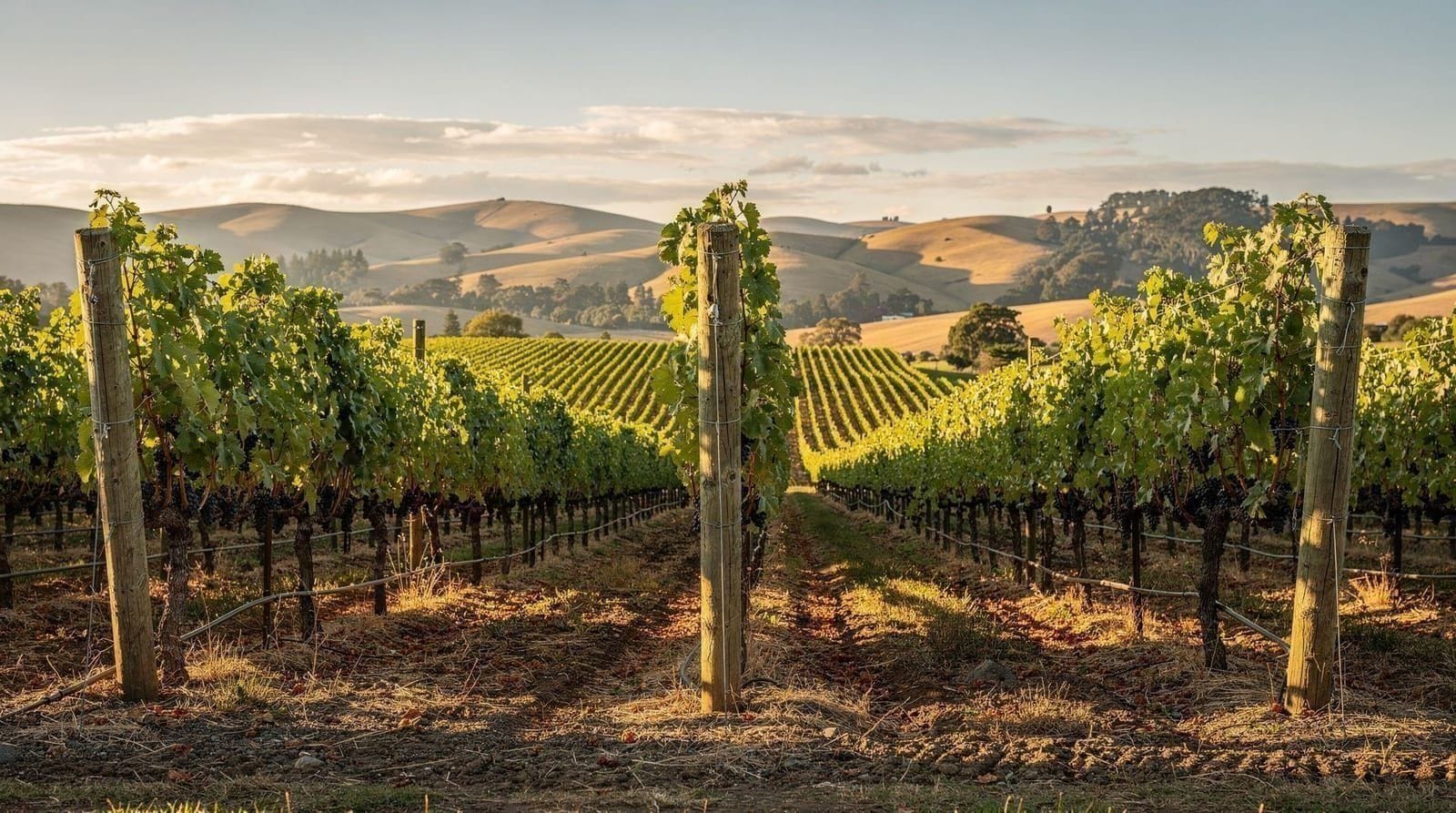
Martinborough, about 1h15 by road over the Remutaka Range, is the strongest single day-trip option from Wellington and the default third day for most visitors. The valley holds more than 20 wineries, many walkable or cyclable from the town centre, specialising in world-class Pinot Noir alongside Sauvignon Blanc and aromatics. A guided Martinborough winery tour handles transport and tastings without needing a designated driver, which matters given the whole point of the day is wine. Our Martinborough wine guide and best Martinborough wineries guide go deeper into which specific estates are worth prioritising if you’d rather self-drive or cycle between cellar doors instead.
Alternative day three: Kāpiti Coast
If wine isn’t your priority, the Kāpiti Coast, about 45-50 minutes north by train or car, offers Kāpiti Island — a predator-free wildlife sanctuary accessible only via authorised tour operators — as a half-to-full-day alternative to Martinborough. It leans more toward nature and birdwatching than Zealandia’s more urban, easily accessed sanctuary, and suits visitors who did the CBD-and-Miramar day two above and want a genuinely different kind of day three rather than more city sightseeing. Our Kāpiti Island day trip guide covers logistics and booking in detail, since access is tightly controlled and slots sell out ahead in peak season.
Alternative day three: a slower CBD-and-suburbs day
Not every third day needs to leave the city. A slower day covering Oriental Bay, a proper walk up Mount Victoria for the harbour view, the waterfront toward Queens Wharf, and a deeper wander through Wellington’s neighbourhoods beyond Cuba Street suits visitors who prefer a relaxed pace over another day trip. This option costs little beyond transport and meals, and is worth considering if the first two days already felt busy.
Private guided option for a fuller day one
If you’d rather have a single guide handle the CBD’s core sights on day one rather than self-navigating between Te Papa, the cable car and Cuba Street, this private day tour with lunch covers Wellington’s central highlights across a full day with a knowledgeable local guide, useful if you want day one to feel effortless before the more logistically involved day two and three.
Where to stay across three days
Basing yourself centrally — Te Aro, Cuba Street’s edges, or Lambton Quay — keeps day one and day two efficient, since both start from the CBD. If Martinborough is your day three plan, an overnight stay there instead of returning to Wellington the same evening turns the day trip into something closer to a genuine wine-country escape, worth considering if pace rather than cost is your priority. Our where to stay in Wellington guide covers the trade-offs between CBD neighbourhoods in more depth.
Budgeting for three days
A mid-range couple should expect roughly NZ$900-1,300 across three days, covering accommodation, food, local transport, Weta Workshop and Zealandia entry, and a Martinborough tour or self-drive day, excluding flights. Martinborough tastings typically run NZ$5-10 per cellar door plus lunch, while a guided full-day wine tour bundles transport and several tastings into a single ticket price. Our Wellington trip cost and budget guide has the fuller category-by-category breakdown.
Getting around across three days
The CBD stays walkable throughout, but day two’s Weta Workshop and Zealandia both need a bus or rideshare, and day three’s Martinborough or Kāpiti Coast options are most efficient with a rental car or a guided tour that includes transport. If you’re not renting a car for the whole trip, it’s often more cost-effective to book transport specifically for day three rather than renting for all three days when the CBD itself needs no vehicle. See our do you need a car in Wellington guide for the full reasoning.
What to skip even with three days
Kaikōura and the Marlborough Sounds still don’t fit into a three-day Wellington-based trip — both require the Cook Strait ferry crossing plus a full day on the ground, pushing the realistic minimum to four or five days if you want to include the South Island. Our best day trips from Wellington guide ranks the realistic options against ones that need more time than three days allows.
Rain contingency across three days
With three days, you have genuine flexibility to reorder around weather rather than pushing through it — if rain is forecast specifically for day three, swapping to the CBD-and-suburbs alternative (with Te Papa and City Gallery as indoor fallbacks) is easier than cancelling a booked wine tour. Martinborough’s wineries themselves are largely indoor tasting rooms, so a wet day there is less disruptive than a wet day built around outdoor walking. Our rainy-day things to do guide has the fuller indoor list for the CBD portion of the trip.
Extending beyond three days
Visitors who finish three days wanting more typically add either a second Wairarapa day (Greytown and Cape Palliser alongside Martinborough), or a South Island leg via the Cook Strait ferry to Picton and the Marlborough Sounds. Our Wellington + surroundings in 5 days and Wellington + South Island in a week itineraries both build directly on the three-day structure above.
How three days compares to a rushed two-day trip
The difference between two and three days in Wellington isn’t just “one more attraction” — it changes the entire pace of the trip. A two-day visit forces a choice between Weta Workshop and Zealandia and generally leaves no room for anything beyond the CBD; three days removes that trade-off entirely and adds a genuine regional dimension the city is specifically known for. Visitors who’ve done both report the third day as the one that actually changes their overall impression of the destination, rather than simply adding marginal sightseeing to an already-full two-day plan. If you’re deciding between booking two nights or three, the extra night is one of the better-value additions you can make to a New Zealand itinerary.
Wellington in three days with kids
Families extending to three days generally use the extra day for Zealandia at a slower, kid-friendly pace rather than a full Weta Workshop and Zealandia double day, since younger children tire well before adults do on back-to-back attraction days. Martinborough works less well as a family day three unless the wineries themselves have kid-friendly grounds and lunch options, which some but not all do — check ahead rather than assuming. Our Wellington with kids guide and family 4 days itinerary both offer a more tailored structure than the general three-day plan above if travelling with children.
A Māori culture thread across the three days
Rather than treating Māori culture as a single stop, a three-day visit has enough slack to weave it through multiple days — Te Papa’s collections on day one, a short guided waka experience or hidden Māori treasures tour worked into day two’s schedule, and picking up a handful of te reo Māori basics before you go so that place names and greetings register throughout the trip rather than only at the museum. This threading approach tends to leave a stronger, more integrated impression than concentrating everything into one dedicated cultural stop.
Booking ahead: what needs it and what doesn’t
Weta Workshop tour slots and Kāpiti Island access both benefit from advance booking, particularly in the December-February peak season, since group sizes are limited at both. Martinborough wineries generally don’t need advance booking for casual tastings, though a guided full-day tour is worth reserving a few days ahead if you have a specific date in mind. Te Papa, the cable car and the CBD’s general sightseeing need no advance booking at all. Sorting out which of your three days has the tightest booking requirements first, then building the rest of the schedule around it, avoids the common mistake of locking in flights and accommodation before realising a key activity is unavailable on your planned date.
Photography across three days
A three-day visit gives enough time to actually chase good light rather than photographing everything at whatever hour you happen to arrive — the cable car’s upper terminal and Mount Victoria both reward a specific golden-hour visit rather than a rushed midday stop, and Martinborough’s vineyard rows photograph noticeably better in the soft light of early morning or late afternoon than under the flat light of midday. Our best Instagram spots in Wellington roundup has the fuller list if this is a bigger priority for your trip than the general itinerary above assumes.
Weather and packing for a three-day window
Because a three-day forecast is more reliable than a longer one, it’s worth checking conditions specifically before finalising which day goes to Martinborough versus the CBD, since Martinborough’s outdoor cellar-door walking is more weather-dependent than a Te Papa-and-cable-car day. Pack genuinely wind-resistant layers regardless of season — Wellington’s wind is a real planning factor rather than an occasional nuisance — and a light rain layer even in summer, since conditions can shift within a single day more than the general seasonal forecast suggests. Our packing list for windy Wellington covers this in more specific detail.
Eating and drinking across three specific days
The three-day structure naturally spreads your food and wine experiences across genuinely different settings rather than concentrating everything in one neighbourhood: Cuba Street’s café-and-craft-beer culture on day one, whatever’s convenient near Miramar and Karori on day two, and Martinborough’s farm-to-table lunch spots and cellar-door tastings on day three. This variety is one of the underrated benefits of the three-day structure — a two-day trip tends to funnel most meals through Cuba Street and the CBD by necessity, while three days genuinely diversifies where and how you eat. Our best restaurants in Wellington guide and Martinborough wine guide both have specific recommendations for their respective days.
Comparing a self-drive day three against a guided tour
For day three specifically, the choice between self-driving to Martinborough and booking a guided tour comes down to how much you want to drink versus taste-and-spit, and whether you’d rather set your own pace between wineries or have a driver and a pre-planned route handled for you. Self-driving costs less upfront but requires a designated driver, which defeats part of the point for many visitors; a guided tour costs more but removes that constraint entirely and typically includes a curated selection of estates rather than requiring you to research which wineries are worth the stop. Neither is objectively better — it depends on your group’s priorities and whether anyone in your party is happy skipping the wine tastings in favour of driving.
A realistic hour-by-hour sense of pacing
Rather than treating each of the three days as a rigid schedule, it helps to think in rough blocks: mornings for the day’s primary activity (Te Papa, Weta Workshop, or the drive to Martinborough), early afternoons for the second activity or lunch, and evenings kept deliberately loose for whatever the day’s pace allows, whether that’s an early dinner after a long Martinborough day or a longer Cuba Street evening after a lighter day one morning. Visitors who build in this kind of flexibility consistently report a better experience than those who schedule each day to the exact hour, since Wellington’s weather and transport occasionally introduce small delays that a tightly scheduled plan doesn’t absorb well.
Is three days too much for Wellington?
Some visitors worry that three days is more time than a single city genuinely warrants, particularly compared with sprawling destinations like Auckland or the wider South Island. For Wellington specifically, this concern rarely holds up in practice — the third day isn’t spent finding ways to fill time in the CBD, it’s spent somewhere genuinely different (Martinborough’s vineyards, Kāpiti Island’s wildlife, or a slower neighbourhood pace) that a shorter visit simply can’t accommodate. If you finish three days feeling like the trip had good variety rather than padding, the itinerary above has done what it’s meant to; visitors who instead feel like day three repeated day one’s pace are usually the ones who skipped the regional day trip in favour of more CBD sightseeing they’d already covered.
Solo travellers on a three-day plan
The three-day structure works fine solo, with one adjustment worth flagging: a guided Martinborough wine tour is a genuinely better fit for solo travellers than self-driving, since it removes the designated-driver problem entirely and puts you among other travellers for the day rather than driving between cellar doors alone. Our Wellington solo travel guide covers the wider trip beyond just day three.
Timing a three-day visit around festivals
Three days gives enough slack to build a trip around a specific Wellington event without it dominating the whole itinerary — check dates against our festivals and events calendar before finalising which day goes where, since a festival landing on what would otherwise be your Martinborough day is worth reordering around rather than missing entirely.
Three days at a glance
| Day | Focus | Highlights |
|---|---|---|
| Day 1 | CBD essentials | Te Papa, cable car, Botanic Garden, Cuba Street |
| Day 2 | Film heritage + wildlife | Weta Workshop (morning), Zealandia (afternoon) |
| Day 3 (default) | Martinborough wine country | 20+ wineries, guided tour or self-drive |
| Day 3 (alternative) | Kāpiti Coast or slower CBD day | Kāpiti Island wildlife, or Mount Victoria + waterfront |
The bottom line
Three days turns a good Wellington trip into a genuinely well-rounded one — the CBD’s essentials, both of its headline “extra” attractions instead of just one, and a real taste of the regional depth (wine country, native wildlife, or a slower neighbourhood pace) that distinguishes Wellington from most other city-break destinations. If your schedule allows it, three days over two is worth prioritising specifically because of how much the third day adds relative to how little extra planning it requires.
Frequently asked questions about Wellington in 3 days: the complete itinerary
Is 3 days enough for both Martinborough and Kāpiti Island?
Not comfortably as separate day trips — each needs the better part of a day given travel time, so most three-day visitors pick one rather than both. Extending to four or five days is the realistic way to fit both without rushing either.Do I need to book Martinborough or Kāpiti Island in advance for a 3-day trip?
Kāpiti Island access is tightly controlled through authorised operators and should be booked ahead, especially in peak season. Martinborough wineries generally don't need advance booking for casual tastings, though a guided full-day wine tour is worth reserving a few days ahead.