Wellington solo travel guide
A genuinely easy city to visit alone
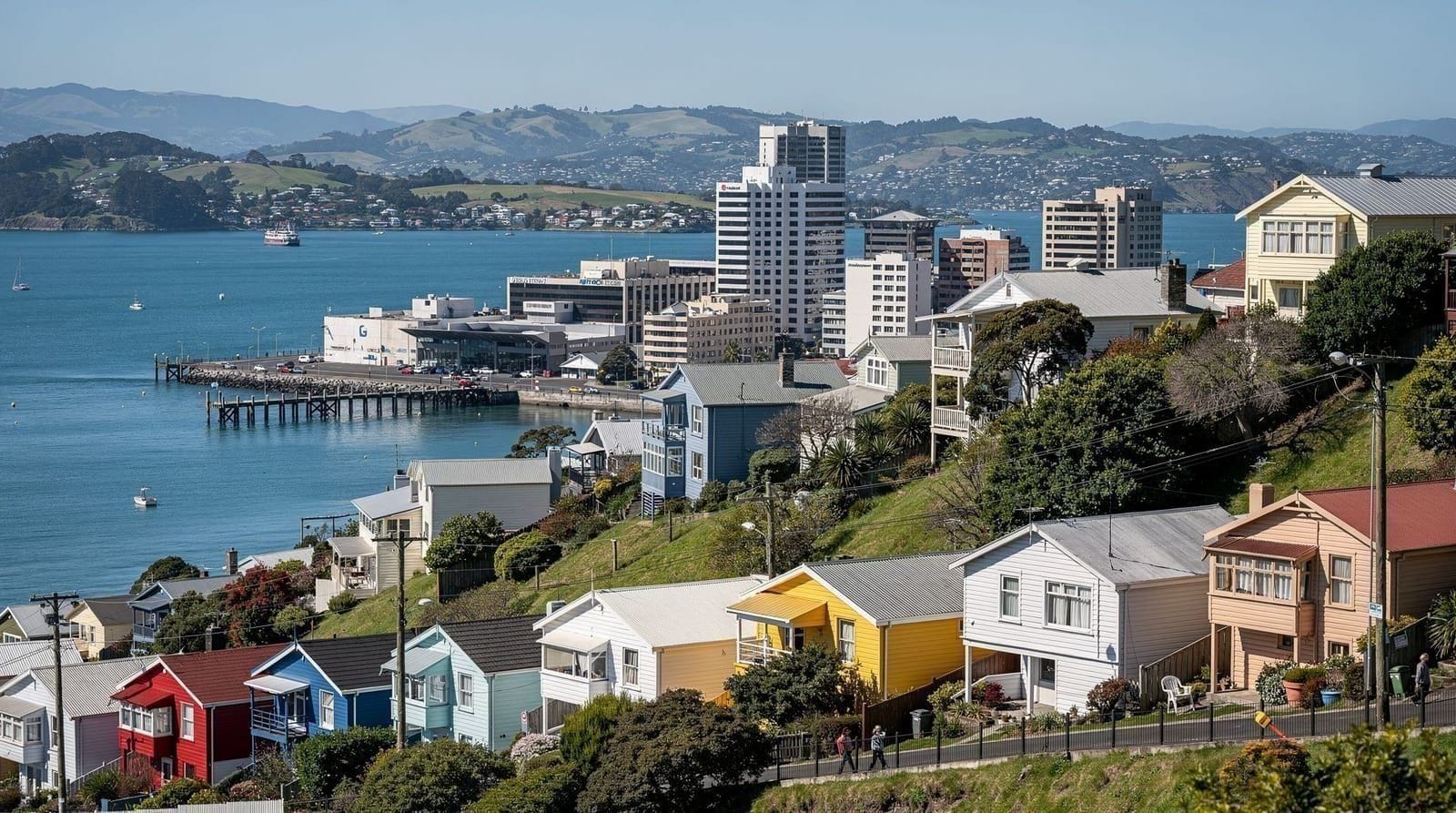
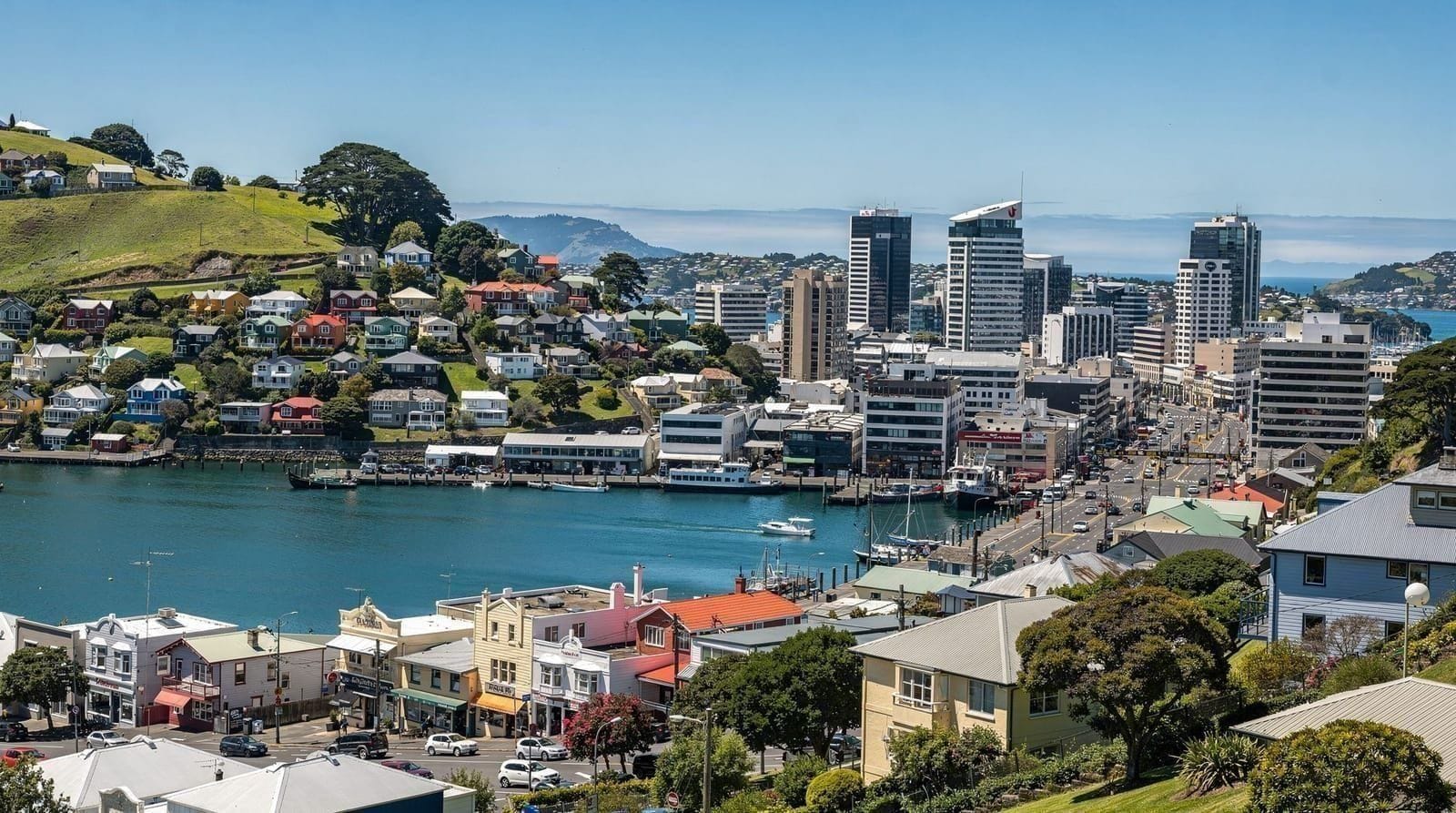
Wellington’s compact, walkable layout — most of the CBD, Cuba Street, the waterfront and Te Aro sit within a 15-30 minute walk of each other — makes it one of the easier New Zealand cities to navigate solo, without the car-dependence or long transit hops that make solo travel harder in more sprawling destinations. That compactness also means solo travellers don’t lose much by skipping a car entirely, which removes one of the more common sources of anxiety for anyone travelling alone in an unfamiliar country. It’s also a genuinely low-crime city by international standards, which matters as much for peace of mind as for actual risk when you’re travelling without a companion to share logistics or decisions with.
| Best for | First-time solo travellers, solo women, short city stays |
| Safety level | High — low violent crime, main risk is opportunistic theft |
| Getting around | Fully walkable CBD; Metlink buses for Zealandia/Weta |
| Solo daily budget | NZ$100-150, or NZ$60-90 backpacker |
| Best area to stay | CBD or Te Aro/Cuba Street grid |
Safety, honestly assessed
New Zealand overall, and Wellington specifically, rates as safe for solo travellers, with violent crime against tourists rare — well under 1% of visitors report serious incidents, a figure that holds up whether you’re travelling as a solo woman, a solo man, or in any other configuration, since the country’s low overall crime rate isn’t meaningfully different across those groups the way it can be in higher-risk destinations.
The most common issue is opportunistic theft, particularly from parked cars and hostel common areas rather than anything more serious, so the standard precautions apply: don’t leave valuables visible in a rental car, use lockers in hostel dorms, and keep bags close in busy areas like Courtenay Place at night. Courtenay Place itself, the city’s main late-night bar and club strip, sees more incidents after dark than anywhere else in the city — nothing dramatic, but side streets off the main strip are worth avoiding alone late at night, the same commonsense caution that applies to any city’s nightlife district. During the day and early evening, the CBD and waterfront are comfortably walkable solo at essentially any hour.
Where solo dining actually works well
Wellington’s cafe culture is built partly around solo patronage — counter seating, communal tables and a general acceptance of someone sitting alone with a coffee and a book are the norm rather than the exception, particularly around Cuba Street and the wider Te Aro grid, where a laptop or a novel at a corner table draws precisely zero attention from staff or other patrons. Our Wellington neighbourhoods guide covers where this culture is strongest. Evening dining alone is equally comfortable at most casual and mid-range restaurants; only the more formal, couples-oriented dinner spots (concentrated on the waterfront and a handful of CBD fine-dining rooms) can feel slightly awkward solo, and even those are used to it often enough not to make a scene of a single booking, especially outside peak Friday and Saturday evening slots when tables are under less pressure.
Getting around without a car
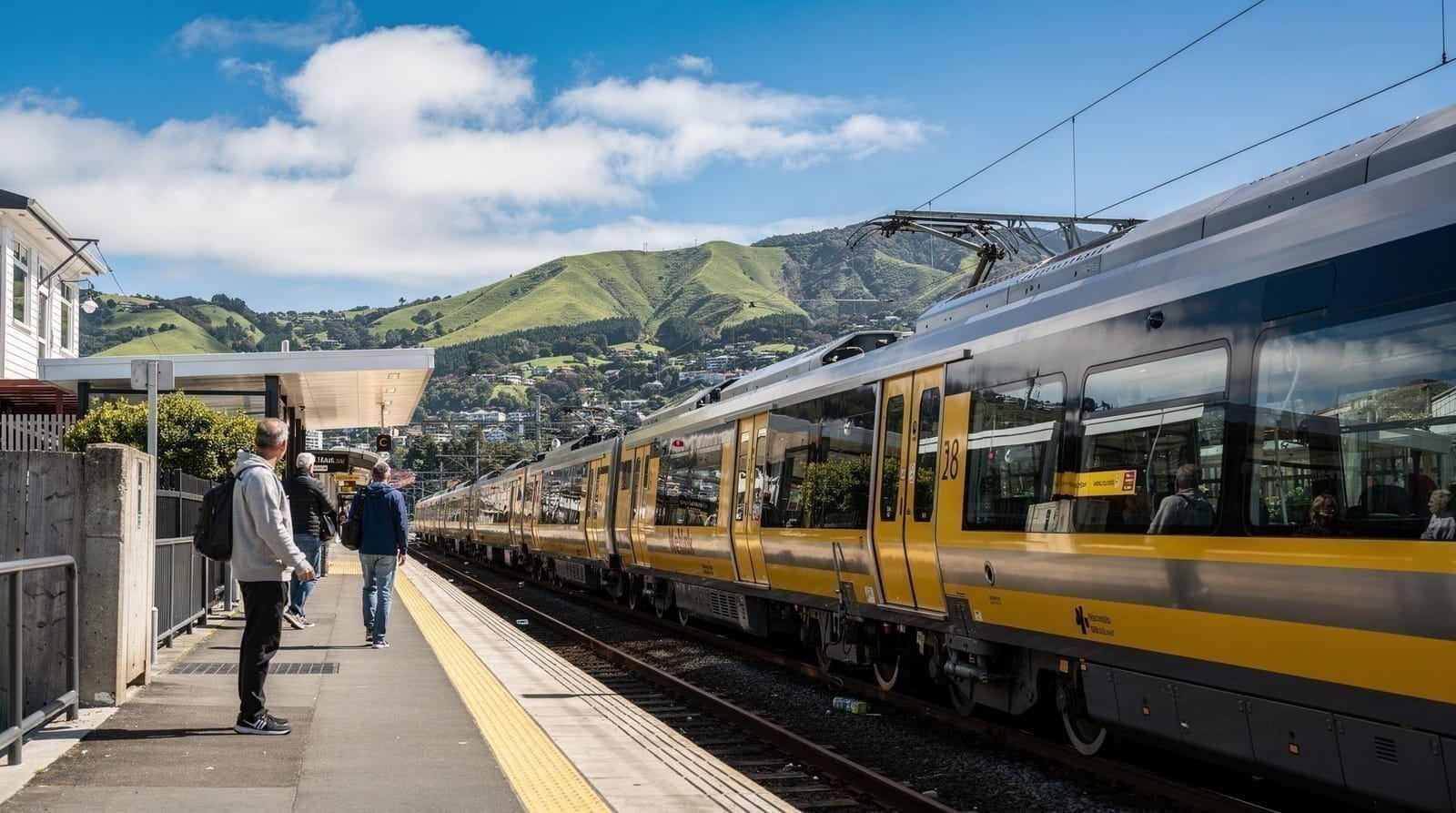
Wellington genuinely doesn’t require a car for a solo city visit — Metlink’s bus and train network covers the wider region well, the cable car and CBD are entirely walkable, and taxis or rideshares are a reliable fallback late at night rather than walking unfamiliar streets alone. The do you need a car in Wellington question comes up constantly with solo travellers specifically, since not driving removes one of the bigger logistical burdens of solo travel elsewhere in New Zealand — day trips to Martinborough or Kāpiti Island are easily done via an organised tour rather than needing to arrange or split a rental car with strangers.
A sample solo day
A workable solo day might run: breakfast at a Cuba Street cafe with counter seating, a self-paced few hours at Te Papa (free, and comfortably done alone at your own speed rather than a group’s), an afternoon walk up to the Mount Victoria lookout or along the waterfront, and dinner at one of the city’s many casual mid-range restaurants where a solo table draws no attention at all — a genuinely relaxed pace that would feel rushed if you were trying to coordinate it around a companion’s different interests. This kind of loosely structured, self-paced day is genuinely easier to build in Wellington than in a larger, more spread-out city, precisely because so much sits within comfortable walking distance and nothing requires coordinating with anyone else’s preferences or pace, and a change of plan halfway through the day costs nothing more than a short walk in a different direction.
Solo day trips beyond the city
Wellington’s regional day trips — the wine country, the wildlife sanctuaries, the ferry crossing itself — are almost all doable solo without needing to split costs with a stranger or wait to build a group — a Martinborough wine tour, a Zealandia guided walk, or the Kāpiti Island day trip are all sold as per-person bookings on scheduled group departures, which means a solo traveller pays the same per-person rate as anyone else rather than facing a “single supplement” the way solo hotel bookings sometimes do. This is a genuine advantage over destinations where day-tour pricing structures assume pairs or groups, and it opens up the region’s wine country and nature reserves to solo travellers without the awkwardness of needing to justify a private group booking alone.
Meeting people, if you want to
Hostels in the CBD and Cuba Street area (rather than the outer suburbs) put you closest to the city’s evening social scene, and several run their own pub crawls or communal dinners specifically aimed at solo travellers. Beyond that, Wellington’s craft-beer taprooms and the city’s dense cafe scene are naturally social spaces where striking up a conversation at a shared table is normal rather than intrusive — a different vibe from more anonymous big-city bars.
Group tours — Zealandia’s guided walks, the Martinborough wine day trips, harbour cruises — are also a reliable way to have some built-in social contact during the day without committing to a full group tour itinerary for your whole trip. Wellington’s relatively small, tight-knit visitor scene also means the same faces tend to turn up across a few days of hostel common rooms, walking tours and evening events, which makes it easier than in a larger, more anonymous city to build even a loose, temporary travel network over a short stay.
Choosing where to stay
For solo travellers, choice of location matters more than for a couple or group who might not mind a short taxi ride at the end of a night out — staying within the CBD or Te Aro/Cuba Street grid means you’re always within a comfortable walk of dinner, evening plans and your accommodation, rather than relying on late-night transport in an unfamiliar city. Hostels remain the most social option by design, but a growing number of Wellington’s mid-range hotels and serviced apartments suit solo travellers just as well if a private room matters more than the built-in social scene a hostel dorm offers. Our where to stay in Wellington guide covers specific neighbourhoods, and for solo travellers specifically, staying central is worth prioritising over a marginally cheaper option further out that adds transport time and cost back into every evening plan, an ongoing cost that quickly outweighs whatever was saved on the nightly rate itself.
What it costs travelling solo
Solo travel doesn’t get the per-person discount a couple or group gets on accommodation, so budget accordingly — a hostel dorm bed runs NZ$30-50/night, a private budget hotel room NZ$80-120, and food costs are largely the same per person whether you’re solo or in a group (NZ$15-25 for a casual meal). The one area where solo travellers do come out ahead is flexibility: there’s no need to negotiate a shared itinerary, split a rental car, or compromise on how long to spend at any given attraction, which has a real, if hard-to-price, value of its own.
Our Wellington trip cost and budget guide and realistic Wellington trip budget cover the fuller cost picture, and Wellington’s genuine cluster of free or low-cost attractions — Te Papa, the Botanic Garden, harbour walks — help offset the lack of a shared-cost advantage that solo travellers otherwise face. Our Wellington first-timer’s guide rounds up the practical basics for a first visit, solo or otherwise, and our piece on why Wellington is called the Windy City is worth a quick read before you pack, since the wind affects solo walking plans more than it might a group happy to duck into a taxi together.
Solo versus travelling with a companion: the real cost gap
| Solo | Couple (per person) | |
|---|---|---|
| Accommodation (budget hotel) | NZ$80-120/night | NZ$40-60/night |
| Food (casual meals) | NZ$15-25/meal | NZ$15-25/meal |
| Guided day tour | Full per-person rate | Same per-person rate |
| Rental car (if used) | Full cost alone | Split two ways |
The accommodation gap is the real solo penalty; day tours and Metlink fares are already priced per-person, so they don’t cost solo travellers extra the way a “single supplement” sometimes does elsewhere.
Solo-friendly guided options if you want structure some days
Not every day needs to be self-planned — a guided walking tour or scenic experience gives a built-in social touchpoint without requiring you to organise anything. The Wellington private walking tour with a local guide works well solo since it’s priced per person rather than per group, and it’s a low-pressure way to get oriented on your first day before striking out independently for the rest of the trip.
A note for solo women specifically
Solo women travellers report Wellington as one of the more comfortable New Zealand cities to navigate alone, with the same standard precautions applying as anywhere: keep valuables out of sight, use hostel lockers, and avoid Courtenay Place’s side streets alone late at night. Cafe culture’s acceptance of solo patrons applies equally regardless of gender, and hostels with women-only dorm options are common enough in the CBD and Cuba Street area to be a genuine choice rather than a rarity. None of this differs meaningfully from the general safety advice above, but it’s worth stating plainly since it’s a common search specifically from solo women planning the trip.
Frequently asked questions about solo travel in Wellington
Is Wellington safe for solo female travellers?
Yes — it rates as a low-crime city by international standards, with the main risk being opportunistic theft rather than anything more serious; standard precautions (lockers, keeping valuables out of sight, avoiding side streets off Courtenay Place late at night) cover most of it.
Do solo travellers pay more for tours and day trips in Wellington?
No — most guided day tours around Wellington (Zealandia, Martinborough wine, Kāpiti Island) are priced per person on scheduled group departures, so a solo traveller pays the same rate as anyone else rather than facing a single supplement.