Getting around Wellington (Metlink)
How do you get around Wellington without a car?
Metlink runs Wellington's buses and trains, covering the CBD and suburbs comprehensively enough that most visitors never need a car in the city itself. A Snapper card (being phased out in favour of Motu Move through 2026) covers fares across the network, and the same trains that serve the city also reach Kāpiti in 45-50 minutes and the Wairarapa in around 1 hour 15 minutes.
Wellington’s public transport covers more ground than its size suggests
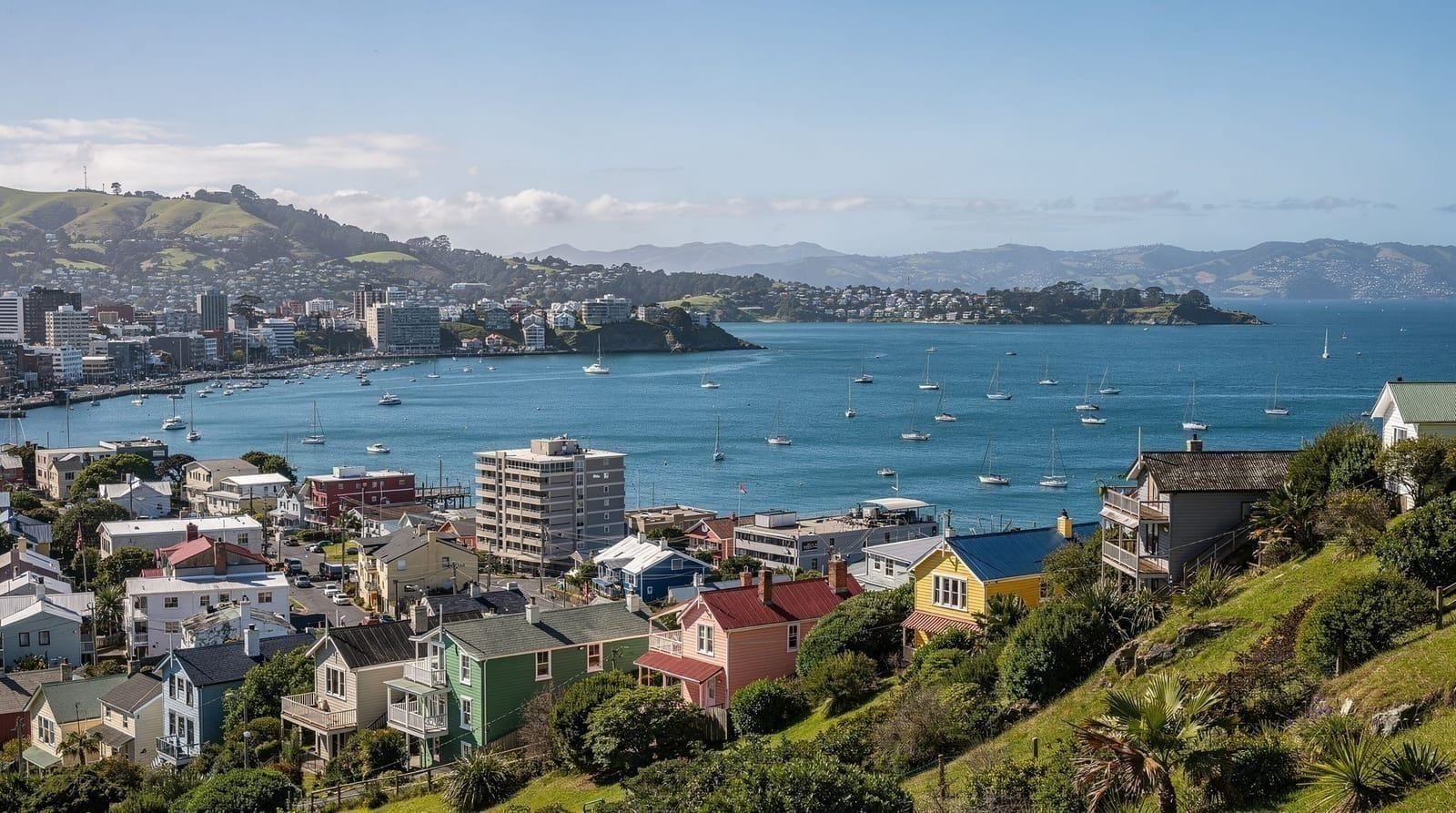
Wellington is compact enough that a large share of the CBD’s attractions sit within a comfortable walk of each other, but the city’s hills, harbour-hugging layout and outer suburbs mean that sooner or later most visitors will want a bus or train. Metlink, the regional public transport brand covering greater Wellington, runs a genuinely comprehensive network of buses, trains and a handful of harbour ferries, and understanding how the fare system and routes fit together makes it easy to get around without renting a car. This guide covers the practical basics: how to pay, which lines matter for visitors, and where the network’s limits are.
| Cost | A few dollars for a CBD hop; more for cross-region trips |
| Payment | Snapper card (transitioning to Motu Move through 2026) or cash |
| Airport link | Airport Express, around NZ$9, roughly 20 minutes |
| Regional reach | Kāpiti in 45-50 min, Wairarapa in around 1hr 15min by train |
| Evenings | Frequency drops noticeably after 7-8pm |
The bus network
Metlink’s bus network is the backbone of getting around Wellington itself, with routes fanning out from the CBD to Oriental Bay, Miramar, Karori, Newtown and the Hutt Valley. Buses run frequently on core routes through the day, dropping off in the evening, and the network has been under some strain on its busiest corridors — Route 2, connecting the eastern suburbs to the CBD, has had persistent overcrowding, which Metlink has partly addressed by introducing larger bendy buses on that route. For a short visit, the routes you’re most likely to use link the CBD to Newtown (for Wellington Zoo), Karori (for Zealandia) and the eastern suburbs toward Miramar (for Weta Workshop).
The train network
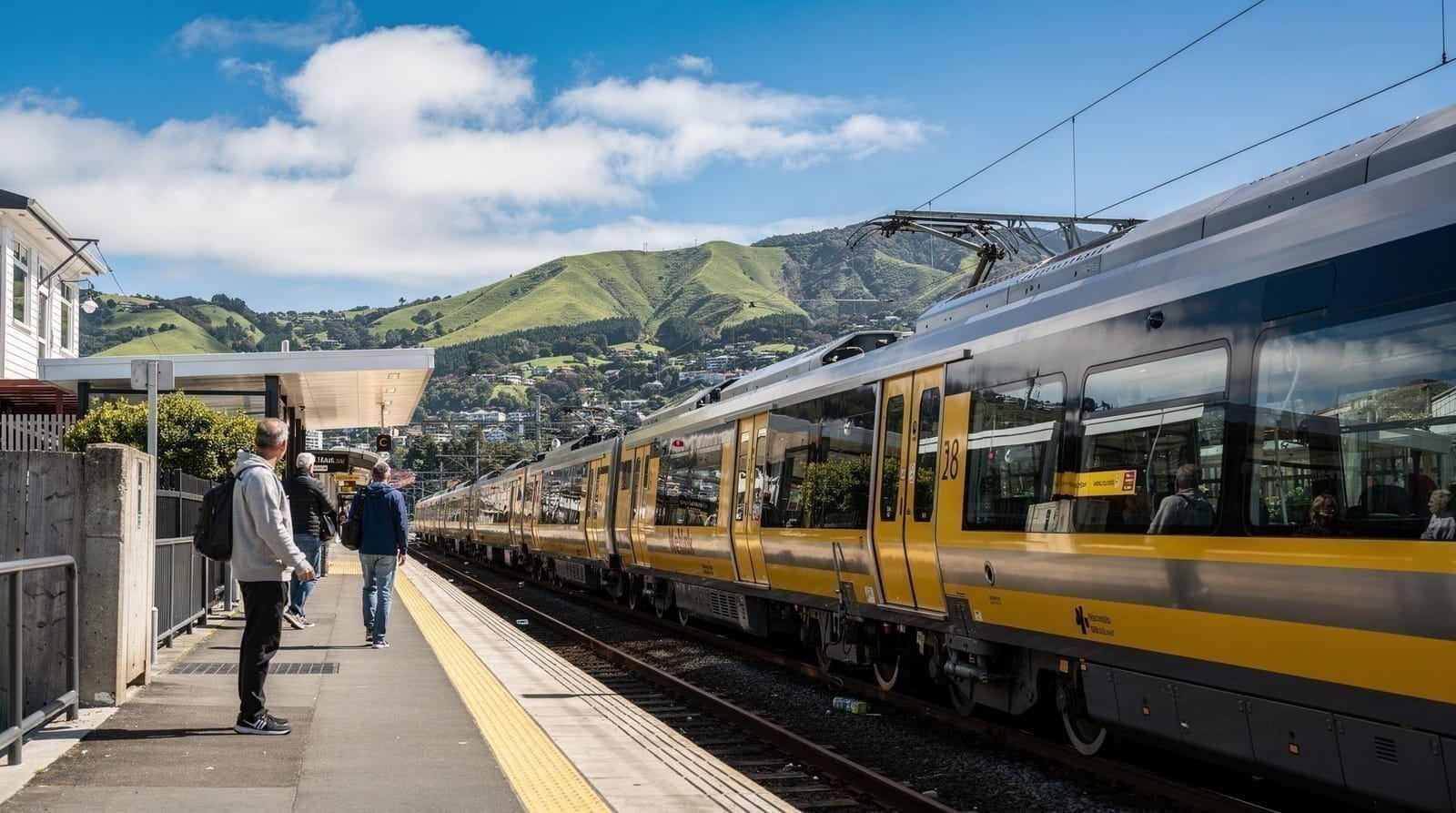
Wellington’s suburban rail network, also run under the Metlink brand, is more useful for regional day trips than for getting around the city itself, since the CBD’s own attractions are mostly walkable or bus-served. Two lines matter most for visitors: the line running north through the Kāpiti Coast, reaching Waikanae and Paraparaumu in around 45-50 minutes, and the Wairarapa line, which crosses the Remutaka Range through a long tunnel to reach Featherston, Carterton and Masterton in around an hour or so — useful for a wine-country day trip, though Martinborough itself sits a short distance from the nearest station and typically needs a connecting taxi or a booked tour that handles the whole journey. Trains run less frequently than city buses, so it’s worth checking timetables in advance rather than turning up and expecting a train within a few minutes.
Fares and payment
Metlink fares are calculated by zone, with a single CBD-to-inner-suburb trip costing a few dollars and cross-region journeys — to the Hutt Valley, Kāpiti or the Wairarapa — costing more. The most efficient way to pay has historically been a Snapper card, tapped on boarding and again on some services when alighting, with a modest discount over cash fares. Wellington is partway through a transition to Motu Move, a new nationwide transport card system rolling out through 2026, and visitors should expect some overlap between the two systems during the changeover — check Metlink’s current signage or app for which card is accepted on your specific route before assuming Snapper alone will cover you throughout your stay. Cash is still accepted on most buses as a fallback, though it costs more per ride and drivers don’t always carry change for larger notes.
The Airport Express
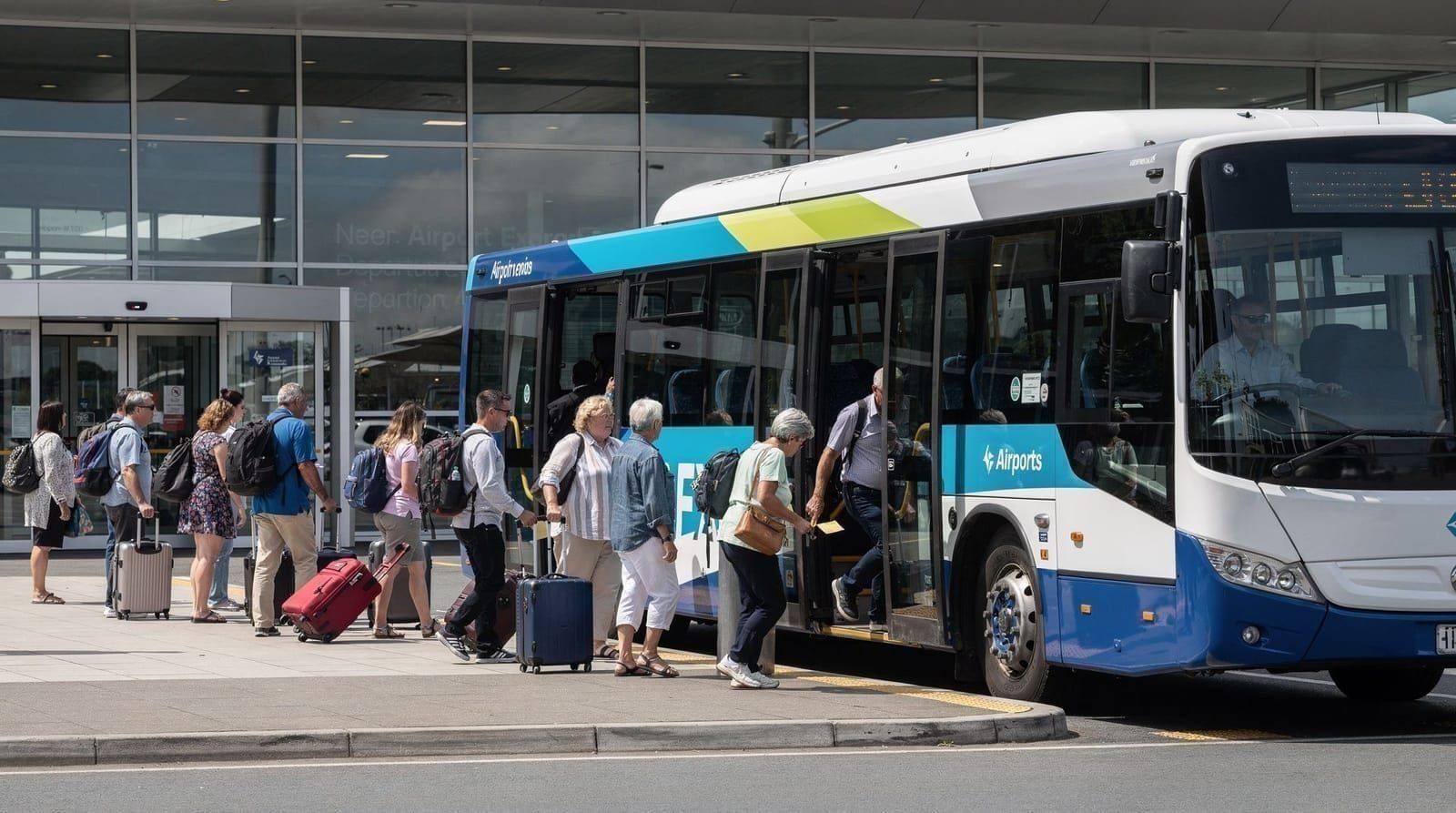
The airport bus service, run as part of the Metlink network with a fleet of newer electric buses, connects Wellington Airport to the CBD in around 20 minutes for roughly NZ$9, departing every 15-20 minutes through the day. It’s the most cost-effective way to reach the city from the airport for anyone not travelling with a rental car, and it integrates with the same fare system as the rest of Metlink, so a Snapper or Motu Move card set up for the rest of your trip will work on it too. Our Wellington airport to city guide runs through the full comparison against taxis and rideshare options, including when the extra cost of a direct transfer is worth paying.
Harbour ferries
Beyond buses and trains, Metlink also operates a small commuter ferry service across the harbour, most usefully to Days Bay and the Eastbourne side of the harbour, with a stop at Mātiu/Somes Island along the way for those who book ahead. These ferries run a limited timetable rather than a frequent shuttle, so check departure times before planning a day around one, but they’re a genuinely pleasant and inexpensive way to cross the harbour rather than driving or bussing around it. See our Days Bay and Eastbourne coverage for how this fits into a half- or full-day plan.
Getting to the Interislander ferry terminal
Visitors continuing on to the South Island by ferry can reach the Interislander terminal by a short bus route or a manageable taxi ride from the CBD or railway station. Given how much a missed sailing can disrupt a wider trip, most travellers budget extra buffer time rather than cutting a Metlink connection close, especially with luggage in tow.
Wellington to Picton Interislander ferry crossingGetting to the cable car
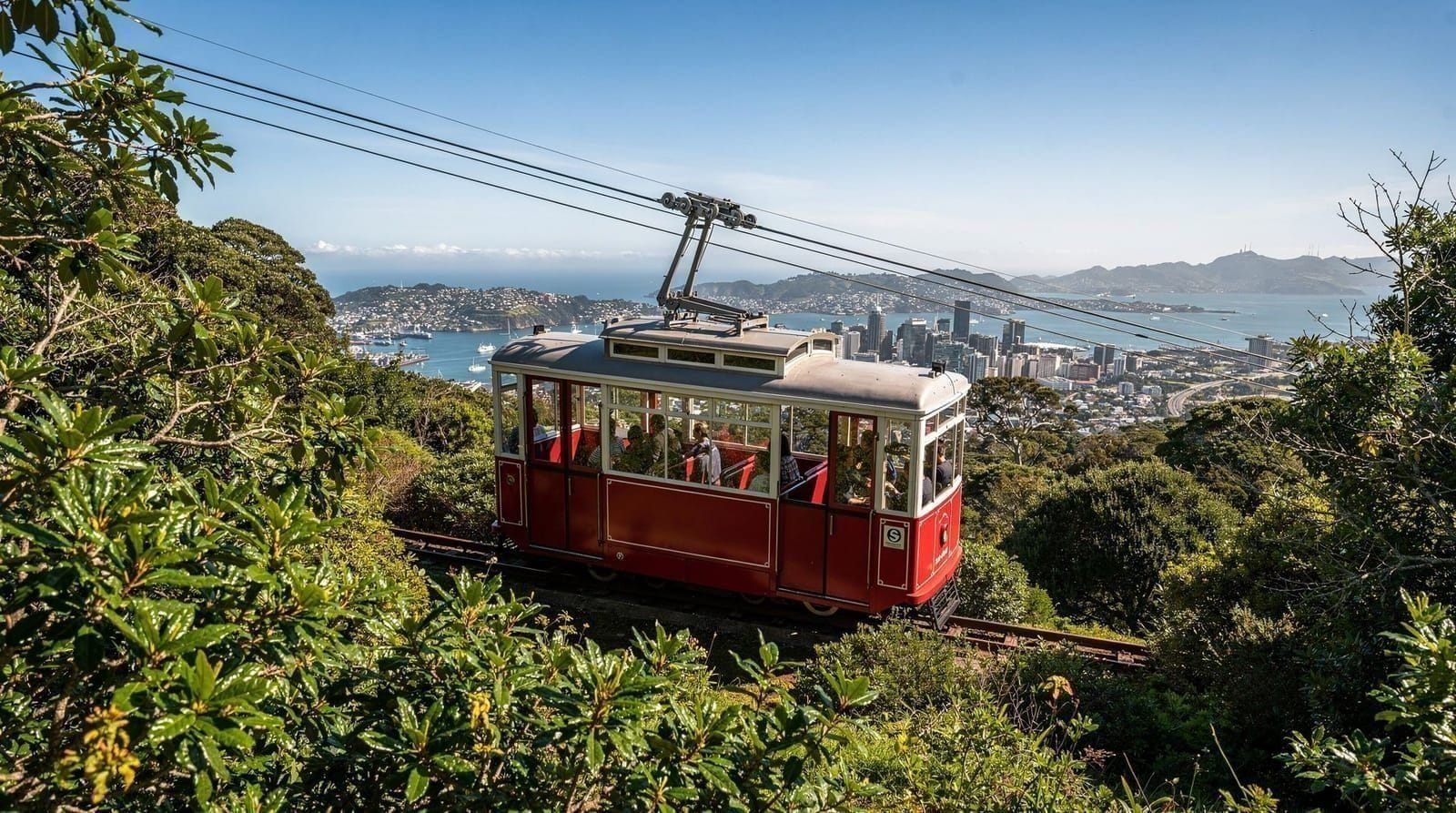
The Wellington Cable Car, while not technically part of the Metlink network, sits within easy walking distance of the CBD’s main bus routes and the railway station, making it simple to combine with a Metlink trip — arrive by train or bus, walk a few minutes to the cable car’s lower terminal on Lambton Quay, and ride up to Kelburn and the Botanic Garden without ever needing a car.
Walking versus riding within the CBD
For visitors staying centrally, walking often beats waiting for a bus for short CBD hops — the distance between Te Papa, the waterfront, Cuba Street and the cable car’s lower terminal is genuinely walkable, typically 10-20 minutes between any two of these points. Metlink becomes more useful once you’re heading to a specific outer suburb — Newtown for the zoo, Karori for Zealandia, or Miramar for Weta Workshop — where the walk would take 45 minutes or more and a bus cuts that to 15-20. Our Wellington neighbourhoods guide maps out which areas are walkable from the centre and which genuinely need a bus.
Where Metlink’s limits show up
Metlink handles the city and its immediate surrounds well, but it has real limits worth knowing before you rely on it for a whole trip. Evening and weekend frequencies drop noticeably, particularly after 7-8pm, so a night out in Courtenay Place or on Cuba Street often ends with a taxi or rideshare home rather than a late bus. Reaching Martinborough by public transport alone involves a train to Featherston or Carterton followed by a taxi, which is workable but slower and less flexible than driving or joining a tour that covers the whole route — our driving to the Wairarapa guide covers that option directly. And while the Kāpiti line reaches Waikanae and Paraparaumu comfortably, getting to the actual departure point for Kāpiti Island tours from the station still needs a short taxi or a transfer arranged by your tour operator.
Do you need a car alongside Metlink?
For a visit concentrated on Wellington itself, plus Zealandia, the zoo and the cable car, Metlink plus walking covers essentially everything without a rental car adding much value. The calculation shifts once your plans stretch to Martinborough, the wider Wairarapa or a self-paced exploration of Kāpiti — trips where Metlink still gets you partway but a car (or a booked tour that handles transport for you) genuinely improves flexibility and time. Our do you need a car in Wellington guide weighs this trade-off in more detail across different trip shapes.
Apps and real-time information
The Metlink website and its journey planner tool are the most reliable way to check current routes, timetables and any service disruptions, and are worth bookmarking before you arrive rather than relying purely on memory of a route number. Real-time arrival information is available for most bus stops, reducing the guesswork of standing at a stop without knowing whether the next bus is two minutes or twenty away. If your phone plan doesn’t include New Zealand data, downloading key routes and timetables in advance, or picking up a local eSIM at the airport, avoids being caught without access to current information.
A practical first-day plan using Metlink
For a first full day using the network rather than walking everywhere, a reasonable structure looks like: arrive via the Airport Express into the CBD, walk the compact core (Te Papa, the waterfront, Lambton Quay) on foot, then take a short bus out to Karori for an afternoon at Zealandia before returning by bus in time for dinner on Cuba Street. This kind of day demonstrates the pattern most visitors settle into — walking for anything within the CBD’s tight core, and reaching for Metlink specifically for the outer suburbs that would otherwise cost 45 minutes or more on foot.
Accessibility
Wellington’s newer buses are low-floor and wheelchair accessible, and most CBD train stations have step-free access, though older suburban stations vary — it’s worth checking a specific station’s accessibility on the Metlink website if this matters for your trip rather than assuming uniform accessibility across the whole network. Cable car access is more limited given its incline and older infrastructure, so travellers with mobility needs should check current accessibility details for that specific attraction separately. Metlink’s website lists accessibility features stop-by-stop, and staff at the railway station’s information desk can usually advise on the best route for a specific mobility need if you’d rather ask in person than search online.
How fares are structured across zones
Metlink’s fare system is built around concentric zones radiating out from the CBD, with a single-zone hop (most CBD-to-inner-suburb trips) costing only a few dollars, and each additional zone crossed adding to the fare. A trip to Karori or Newtown typically stays within one or two zones; reaching the Hutt Valley, Kāpiti or the Wairarapa crosses several zones and costs proportionally more. Day passes are available on some routes and can work out cheaper than paying per trip if you’re planning several journeys in a single day, for instance combining a morning bus to Zealandia with an afternoon trip back through the CBD to Cuba Street.
Cycling as an alternative
Wellington has a growing but still patchy network of dedicated cycle lanes, concentrated mainly along the waterfront and a handful of arterial routes rather than forming a complete city-wide grid. E-bike rentals are available in the CBD and make short hops between neighbourhoods considerably easier given the city’s hills, particularly for visitors who’d rather not wait for a bus but also don’t want to walk a genuinely steep gradient. It’s a reasonable middle option for confident cyclists, though the city’s traffic and hill gradients mean it suits visitors comfortable riding in mixed urban conditions rather than a fully separated cycle path network.
Metlink and Wellington’s hills
Several of Wellington’s bus routes exist specifically because the city’s hill suburbs — Kelburn, Karori, parts of Mount Victoria — would otherwise involve a genuinely demanding walk from the CBD. Buses climbing these routes run a slower, more winding path than a flat CBD route, so allow a little extra time if your journey includes one of the steeper suburban climbs rather than assuming a uniform pace across the whole network. This is one of the more understated reasons Metlink matters in Wellington specifically, beyond simply covering distance — it’s covering elevation that would otherwise make parts of the city impractical on foot for many visitors.
Travelling with kids or heavy luggage
Metlink’s buses and trains are a practical option even with a pram or a moderate amount of luggage, since the newer low-floor buses board without steps and most CBD stations have step-free platforms. That said, peak-hour services can get crowded, particularly on popular routes toward Zealandia or the eastern suburbs, so travelling slightly outside the busiest commuter windows (early-to-mid morning and late afternoon on weekdays) makes for a noticeably more comfortable trip with kids or bags in tow.
Common mistakes first-time visitors make
A few recurring issues catch visitors out: assuming evening frequency matches daytime service (it doesn’t, dropping noticeably after 7-8pm), boarding a train toward Kāpiti or the Wairarapa without checking that day’s specific timetable (services run less frequently than CBD buses and gaps of an hour or more aren’t unusual outside peak commuter times), and not confirming which card system — Snapper or the newer Motu Move — is actually accepted on a specific route during the 2026 transition period. Checking the Metlink app or website before setting out, rather than relying on assumptions from a previous visit or another city’s transit system, avoids most of these issues.
Seasonal changes to watch for
Metlink’s timetables shift slightly around public holidays and school terms, with some routes running reduced services during summer school holidays when commuter demand drops. Visitors travelling around Christmas and New Year or over Easter should double-check timetables a little further ahead than usual, since these periods often combine holiday-reduced frequency with genuinely high visitor demand for regional trips to Kāpiti or the Wairarapa.
Booking regional trains and connections ahead of time
While Metlink’s city buses generally don’t need advance booking, a day trip to the Wairarapa or Kāpiti benefits from a bit more planning: check the specific outbound and return train times before you leave your accommodation, and confirm whether the taxi or connecting transport you’ll need at the far end (to Martinborough, or to the Kāpiti Island ferry departure point) needs to be booked ahead. Turning up at a small station like Featherston or Waikanae without a plan for the last leg is one of the more common ways a Metlink-based day trip runs into unexpected delay.
Weekend and public holiday timetables
Metlink runs a reduced timetable on weekends compared with weekdays, and a further reduced “public holiday” timetable on statutory holidays, both of which can catch visitors out if they’re planning a Sunday day trip to Zealandia or the Wairarapa expecting weekday-level frequency. It’s worth checking the specific day’s timetable rather than assuming the same schedule applies every day of the week, particularly for the less frequent regional train lines.
Metlink versus a rental car, cost for cost
Over a 3-day city-focused visit, a visitor relying entirely on Metlink and walking might spend perhaps NZ$20-40 total on fares — a handful of bus and train trips out to Karori or Newtown, plus the Airport Express each way. A rental car over the same 3 days, by contrast, typically runs NZ$40-80 or more per day once daily rental rate and CBD parking are both factored in, without offering any meaningful time saving for trips within the compact CBD core. This cost gap is one of the clearest practical arguments for relying on Metlink for a city-only visit, reserving a car specifically for days when your plans genuinely require one.
Using Metlink as a visitor without local knowledge
Unlike some cities where the transit map alone is enough to navigate confidently, Wellington’s mix of buses (with route numbers rather than fixed lines) and a smaller number of train lines means it’s worth spending five minutes with the Metlink journey planner before your first trip, entering your specific starting point and destination rather than trying to work out a route from a general system map. This single habit — plan the specific trip rather than guessing from general network knowledge — saves considerably more time than it costs, particularly on a first visit when you don’t yet have an intuitive sense of which routes serve which neighbourhoods.
Real-time crowding and comfort
Wellington’s buses vary considerably in how busy they get depending on time of day and route — a mid-morning bus to Karori is typically comfortable, while the same route at peak commuter times (roughly 7:30-9am and 4:30-6pm on weekdays) can be genuinely crowded. Visitors with flexibility in their schedule benefit from deliberately avoiding these peak windows for cross-town trips, both for comfort and because delays are more common when the network is under its heaviest daily load.
Combining Metlink with a booked tour’s included transport
Several guided tours and attraction packages, particularly for Zealandia or Weta Workshop, include return transport from central Wellington as part of the booking, effectively substituting for a Metlink trip on that specific day. It’s worth checking whether a tour you’re considering already includes transport before separately planning a Metlink route to the same destination, since duplicating the trip (once via the tour’s transfer, once via your own Metlink planning) wastes time without adding value.
Metlink versus a booked tour for regional day trips
| Metlink (train + taxi) | Booked tour | |
|---|---|---|
| Martinborough | Train to Featherston/Carterton, then taxi | Door-to-door from Wellington |
| Kāpiti Island | Train to Waikanae/Paraparaumu, then taxi to ferry point | Often includes transfer |
| Cost | Cheaper, but slower and less flexible | Higher, but simpler logistics |
| Best for | Confident independent travellers | Time-limited or first-time visitors |
For either trip, Metlink gets you most of the way at a lower cost, but a booked tour genuinely simplifies the last-mile connection, particularly for Kāpiti Island where the ferry departure has its own fixed schedule to meet.
Left luggage and station facilities
Wellington’s main railway station has toilets and some retail options, though dedicated left-luggage facilities are limited, so check current availability if you need to store bags between checkout and a later train or ferry. The Airport Express and most CBD bus stops have step-free boarding, useful if you’re travelling with a suitcase rather than a day pack.
The bottom line
Metlink’s bus and train network, backed by a Snapper card transitioning to Motu Move through 2026, comfortably covers getting around Wellington itself and reaches out to the Kāpiti Coast and Wairarapa for day trips, even if the connection at the far end sometimes needs a short taxi. Combined with the CBD’s genuine walkability, it’s enough for most visitors to skip a rental car entirely for a city-focused visit, reserving the car-hire question for trips that stretch further into the wider region.
Frequently asked questions about Getting around Wellington (Metlink)
Do I need a Snapper card, or can I just pay cash on the bus?
Cash is still accepted on most Metlink buses, but it costs more per trip than a Snapper or Motu Move card and drivers won't always carry change. If you're staying more than a day or two, a card pays for itself quickly and speeds up boarding.How do I get from Wellington Airport into the city?
The Airport Express runs electric buses roughly every 15-20 minutes to the CBD for about NZ$9, taking around 20 minutes and integrating with the wider Metlink fare system. See our airport-to-city guide for the full comparison against taxis and rideshares.Can I use Metlink trains to reach Martinborough or Kāpiti Island?
Metlink's Wairarapa line reaches Featherston and Carterton, from where Martinborough itself still needs a short taxi or connecting transport; it doesn't run directly into the town. The Kāpiti line runs to Waikanae and Paraparaumu, both a short taxi ride from the Kāpiti Island ferry departure point.Is Wellington's bus network reliable?
Generally yes within the CBD and inner suburbs, though some routes — Route 2 in particular — have seen crowding issues that Metlink has addressed by adding larger bendy buses. Peak-hour delays happen, as in any city, but the core network is dependable enough that most residents rely on it daily.Do Metlink trains and buses run late at night?
Evening frequency drops noticeably after around 7-8pm on most routes, and the last trains typically run well before midnight. If you're out late in Courtenay Place or Cuba Street, budget for a taxi or rideshare back rather than counting on a late bus.Can I use Metlink to get from Wellington to the Interislander ferry terminal?
Yes, the ferry terminal is served by a short bus route and is also within a manageable taxi ride of the CBD or the railway station. Given the value of arriving with time to spare before a sailing, many visitors budget extra buffer rather than relying on a tight Metlink connection.Is there a day pass for Metlink?
Day passes exist on some routes and can be cheaper than paying per trip if you're making several journeys in one day, such as a morning bus to Zealandia followed by an afternoon trip back through the CBD. Check current pricing on the Metlink app or website, since it varies by zone.