Wellington + Marlborough wine in 4 days
Marlborough: Full Day Wine Tour from Picton
The tightest version of the Wellington-to-Marlborough route
Four days is the leanest version of the Wellington-plus-South-Island route this site covers — one focused day in Wellington, the Cook Strait ferry crossing, and two full days across Picton and Blenheim’s wine country before heading home. It drops the Marlborough Sounds cruise and Nelson entirely to keep the trip tight, concentrating instead on Marlborough’s wine reputation specifically — this is the itinerary for travellers whose primary interest is the sauvignon blanc and pinot noir the region is internationally known for, rather than a broader South Island sampler.
If you have more time and want the Sounds cruise and a more relaxed pace, Wellington to the South Island: 5 days via ferry adds exactly that back in for one extra day. If wine specifically isn’t the priority and general sightseeing matters more, Wellington + South Island in a week covers considerably more ground across a full week.
| Where | Wellington CBD, Cook Strait ferry, Picton, Blenheim/Marlborough |
| Cost | around NZ$1,930–2,960 for two, excl. flights |
| Time needed | 4 days, rental car recommended for the whole trip |
| Getting there | Interislander/Bluebridge ferry, foot passenger ~NZ$55, car +NZ$135–220 |
| Best time | March–May (autumn), calmer Cook Strait conditions than winter |
Why Marlborough over Martinborough for this particular trip
New Zealand’s two main wine regions within reach of Wellington offer genuinely different propositions. Martinborough is closer, smaller-scale and pinot noir-focused, reachable without a ferry crossing in about 1h15 by road. Marlborough is New Zealand’s largest wine region by volume, the source of most of the country’s internationally recognised sauvignon blanc, and only reachable from Wellington via the Cook Strait crossing — which some travellers see as an inconvenience and others see as part of the appeal. This itinerary is built for the latter group: people who want the ferry experience as much as the wine, and who are drawn specifically to Marlborough’s scale and international reputation over Martinborough’s more intimate, closer-to-home alternative.
Before you go
Book your Interislander or Bluebridge ferry crossing as early as travel dates allow, ideally as soon as your flight dates are confirmed. Foot passenger fares run around NZ$55 with Interislander, cheaper with Bluebridge (NZ$29–55); a car adds NZ$135–220. See Interislander vs Bluebridge for the comparison. Given this trip’s tight schedule, a rental car taken across on the ferry is the most practical option — Blenheim’s wineries are spread across a wider area than Martinborough’s, and having your own vehicle removes dependency on tour pickup times for a schedule this compressed. Sort your NZeTA and International Visitor Levy well ahead of departure too — see NZeTA and IVL guide for Wellington visitors, since neither this itinerary’s tight timeline nor a last-minute application is a good combination.
Day 1: Wellington (a single focused city day)
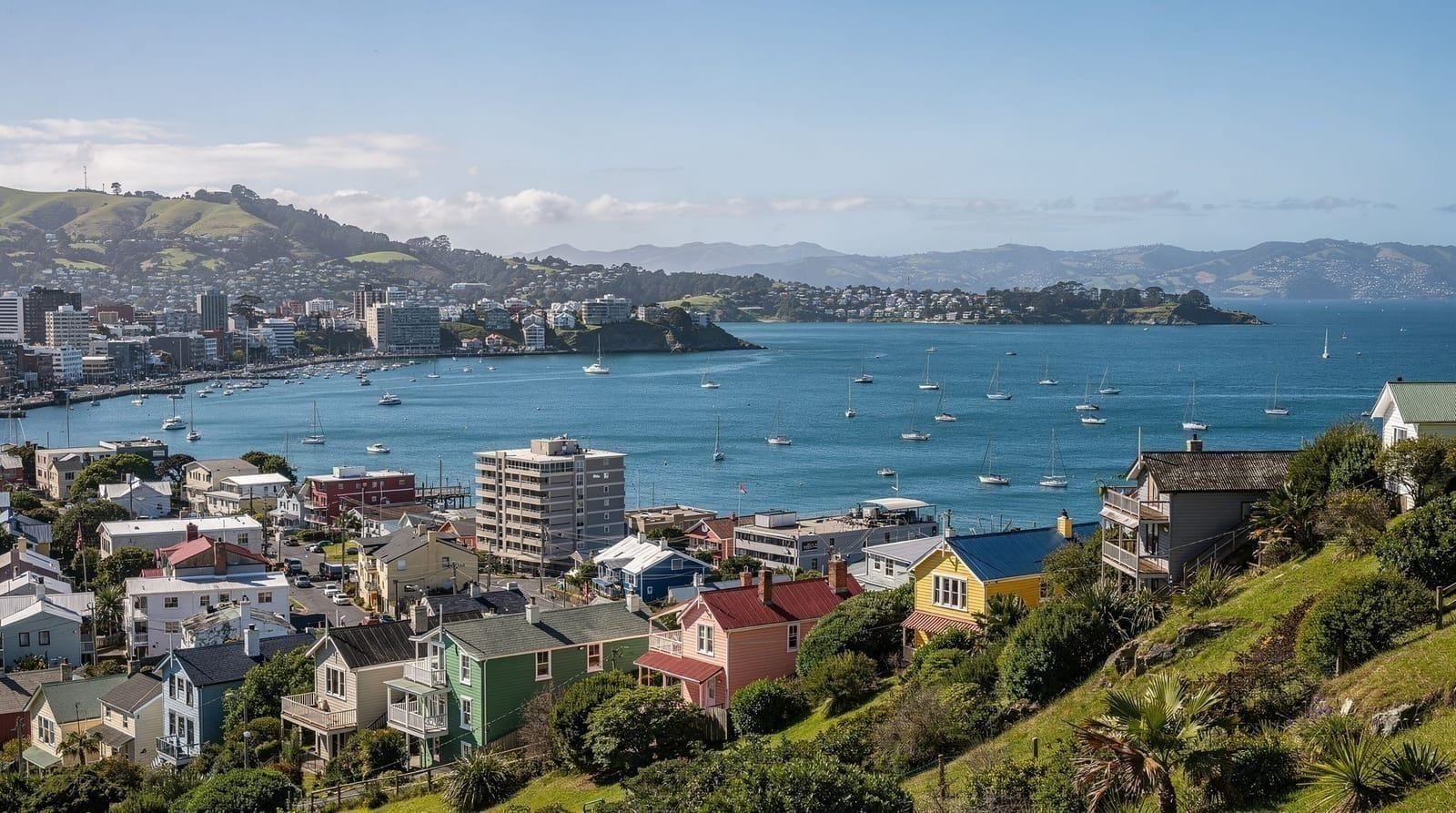
With only one day in the capital, prioritise ruthlessly: Te Papa in the morning (free, allow 2 hours), the cable car and a shortened Botanic Garden walk at midday, and Mount Victoria at golden hour if energy allows. Skip Cuba Street’s leisurely wander and Weta Workshop entirely on this compressed version — both are genuinely worth a visit, but neither fits a single-day Wellington stop without displacing something more essential. This is a compressed version of Wellington in 2 days squeezed into a single day — if a full two-day Wellington visit matters more to you than an extra Marlborough day, this four-day plan isn’t the right fit; consider the five-day version instead. Base yourself centrally — the Bolton Hotel or QT Wellington both work, at NZ$130–200/night. See where to stay in Wellington for the fuller comparison.
Confirm ferry logistics before bed — check-in typically opens 60–90 minutes before sailing, and the terminal sits a short taxi or bus ride from the CBD.
If a single Wellington day feels genuinely too tight once you start planning in detail, it’s worth pausing here: this itinerary assumes you’re comfortable trading a fuller city visit for two proper wine days rather than the reverse. There’s no shame in deciding Wellington deserves more time and Marlborough less — in which case, the reverse-weighted version of this same route, spending two days in Wellington and only one full wine day in Marlborough, is a reasonable variation, though it isn’t the version detailed here since it changes the fundamental balance this plan is built around.
Day 2: the Cook Strait ferry and arrival in Picton
Morning — the crossing. Book the Wellington and Picton Interislander ferry and treat the 3.5-hour crossing as part of the day’s experience rather than dead transit time — the shift from open Cook Strait water to the sheltered Marlborough Sounds in the final hour is genuinely worth watching from the deck. See the Cook Strait ferry as an adventure for tips on where to stand.
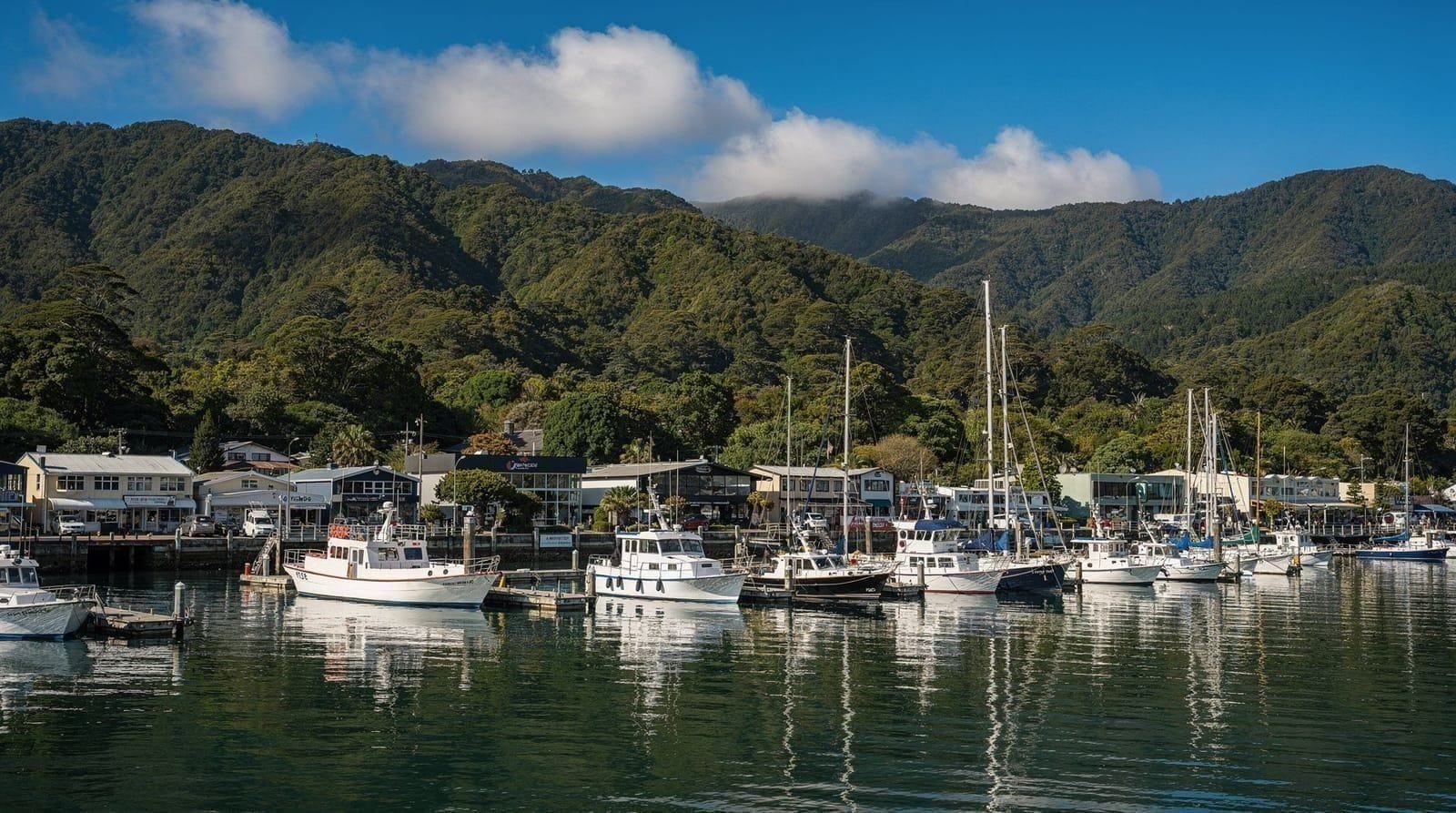
Afternoon — Picton to Blenheim. Rather than lingering in Picton (this compressed itinerary doesn’t have room for a dedicated Sounds cruise), drive the 30 minutes to Blenheim and check into your accommodation there, freeing up both of the remaining full days for wine country rather than splitting time between two bases. See Picton if you want a brief look at the harbour town before continuing on, but keep it short given the schedule.
Evening — Blenheim. Settle in and have dinner in town; Blenheim’s dining scene, while smaller than Wellington’s, includes several solid options oriented around the local wine and produce.
Day 3: Marlborough wine country
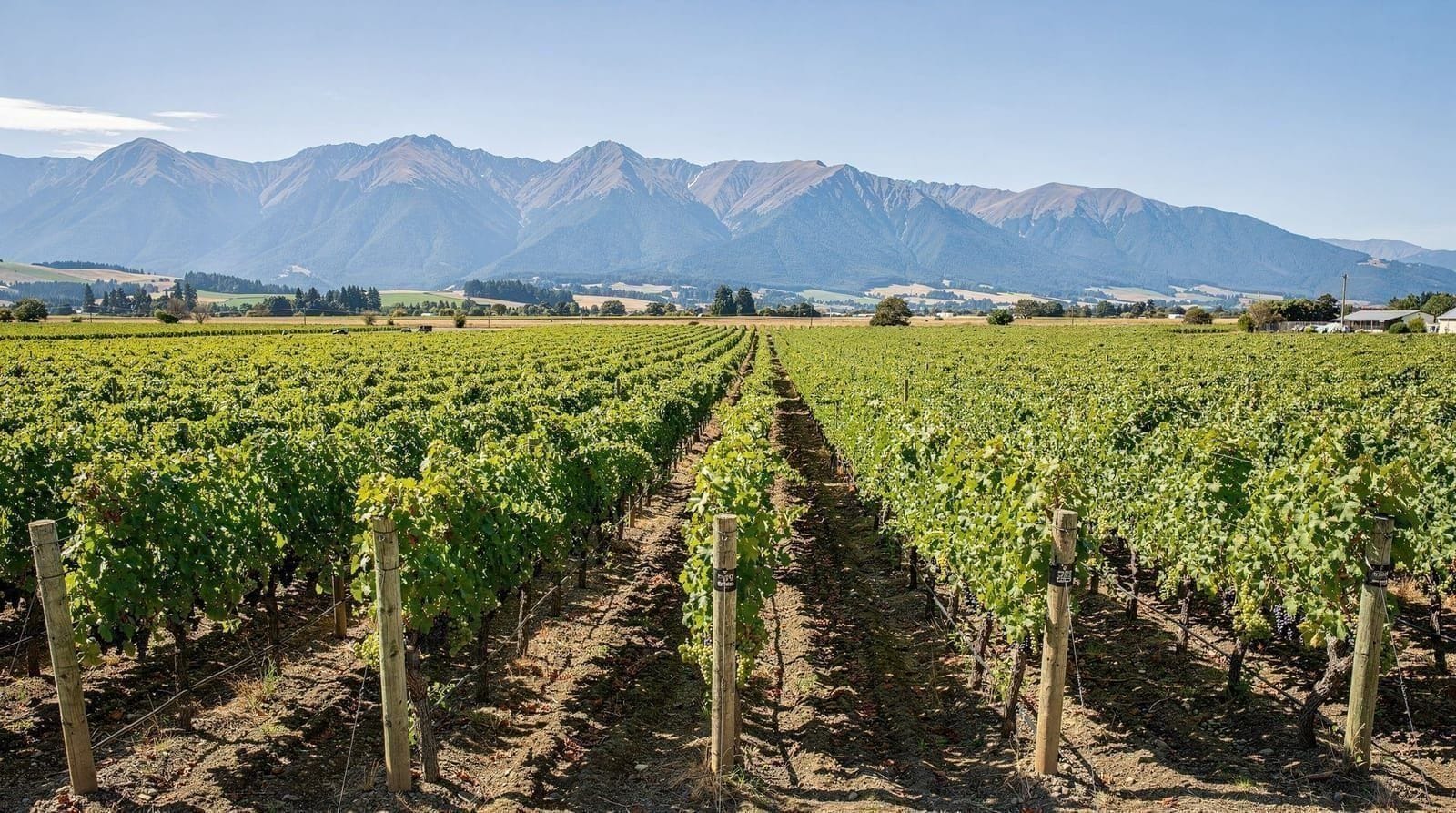
Morning to afternoon — the flagship wineries. This is the itinerary’s centrepiece. Book the Marlborough full-day wine tour from Picton for a curated set of cellar-door visits with transport handled, or self-drive between wineries if you’d rather set your own pace. Cloudy Bay is the best-known name internationally and worth visiting for the reputation alone; Wither Hills and Forrest Estate offer an equally strong, slightly quieter alternative. See the Marlborough wine tour from Picton and the Marlborough sauvignon blanc story for the regional background on why this specific variety became the region’s international calling card.
Lunch. Most wine-tour packages include a stop at one of the region’s better-regarded lunch venues; if self-driving, Arbour Restaurant in nearby Renwick is a well-regarded option pairing local produce with the region’s wines directly. Booking lunch ahead is worth doing on a weekend, since Marlborough’s better restaurants fill up with both visitors and locals taking advantage of a long lunch during the region’s busier tasting season.
Evening — back in Blenheim. A relaxed dinner closes out the trip’s main wine day; if anyone has been tasting through the afternoon, arrange a shuttle or designated driver for the return to accommodation rather than risk driving.
This is, honestly, the day this whole itinerary is built around, and it’s worth resisting the temptation to overschedule it with more than three or four cellar-door stops. Marlborough’s wineries are more spread out than Martinborough’s compact town-centre layout, meaning transit time between stops eats into tasting time more than travellers coming from a Martinborough trip might expect — plan for fewer, longer stops rather than a rapid circuit of many wineries.
Day 4: a second angle on Marlborough, and departure
Morning — the hop-on hop-off option. If you want a different pace from Day 3’s guided or self-driven circuit, the Marlborough hop-on hop-off wine, brewery and wonders tour lets you set your own schedule between stops rather than following a fixed guide-led itinerary — a good option if Day 3 revealed a favourite winery or two you’d like to revisit at your own pace rather than adding entirely new stops.
Midday — Omaka Aviation Heritage Centre, if time allows. For a change of pace from wine tasting, Blenheim’s Omaka Aviation Heritage Centre is a well-regarded stop covering World War I and II aviation history with a notably good collection — a reasonable non-wine addition if your group includes anyone less enthusiastic about a second consecutive day of tastings. It’s a genuinely well-curated small museum rather than a token add-on, and worth the couple of hours even for visitors without a strong prior interest in aviation history, given the quality of the aircraft on display and the context provided around them.
Afternoon — return to Picton and the ferry, or departure from Blenheim/Nelson airports. Depending on your onward travel plans, either drive back to Picton for a return Interislander or Bluebridge sailing to Wellington, or check flight options from Blenheim’s small regional airport if that suits your itinerary better. Compare this trip against the single-day framing in Marlborough wine tour from Picton if you want a much shorter version of this wine country visit rather than the fuller four-day trip described here.
Whichever return route you choose, build in a comfortable buffer before any onward flight — as with the outbound crossing, the return sailing can run behind schedule, and a tight connection straight from the ferry terminal to an airport check-in desk leaves no margin if the timing slips even slightly.
Budget for four days
Mid-range budget for two people: accommodation NZ$520–800 (four nights at NZ$130–200), food NZ$400–560, the ferry crossing return with a car NZ$270–440, a rental car for the trip NZ$240–360 plus fuel, Wellington city attractions NZ$100–150, the Marlborough wine tour and lunch NZ$300–450 for two, a second wine day or the aviation centre NZ$100–200 for two. Total roughly NZ$1,930–2,960 for two people excluding flights. See the Wellington trip cost and budget guide for how this compares to a Wellington-only trip of the same length.
The ferry-and-car cost is the main structural difference between this trip and a Wellington-only equivalent, and it’s largely fixed regardless of how efficiently you plan the rest of the trip. Where you do have genuine control is in the wine days themselves — self-driving between cellar doors rather than booking guided tours for both Day 3 and Day 4 can trim a meaningful amount off the total, provided someone in the group is comfortable abstaining from tasting to drive.
Getting the pacing right on a tight schedule
The biggest risk with a four-day version of this route is trying to cram in things this itinerary deliberately leaves out — a Marlborough Sounds cruise, a Nelson detour, a second Wellington sightseeing day. Resist that urge. The whole point of this compressed plan is that two properly paced wine days beat three rushed activities squeezed into the same timeframe. If, once you start planning, you find yourself wanting to add back in the Sounds cruise or a fuller Wellington visit, that’s a clear signal to add a day rather than try to fit everything into four — see the five-day and week-long alternatives linked above for exactly that extra breathing room.
What this itinerary skips (and why)
This plan deliberately drops the Marlborough Sounds cruise, Nelson, and any Kaikōura extension — all genuinely worthwhile, but none of them fit a schedule built around exactly two wine days bookended by a single Wellington day and the ferry crossings. If any of these matter enough to you that skipping them feels like a real loss, it’s worth reconsidering whether this four-day plan or a longer alternative better suits your actual priorities before booking flights and accommodation around this specific structure.
This is genuinely a tight schedule — one Wellington day, one travel day, two wine days — and it works best for travellers who’ve already decided Marlborough wine is the priority rather than those still deciding between Wellington’s own attractions and a South Island add-on. If you find yourself wishing for more Wellington time partway through planning, that’s a signal to add a day back into the Wellington portion rather than trying to force this compressed version. Compare directly against Martinborough vs Marlborough wine if you’re still deciding whether this ferry-and-wine trip is worth the extra logistics versus a simpler Martinborough day trip that doesn’t require crossing Cook Strait at all.
The Cook Strait crossing is also worth flagging honestly as this itinerary’s biggest single point of schedule risk. A delayed or cancelled sailing on Day 2 has a knock-on effect through the rest of a four-day trip in a way it wouldn’t on a longer itinerary with more slack built in — there simply isn’t a spare day to absorb a lost half-day the way the week-long version can. If your travel dates are genuinely fixed with no flexibility at either end, factor that risk in before committing to this specific four-day structure over a longer alternative with more built-in buffer.
Wine to bring home
Most Marlborough cellar doors sell direct, and several ship internationally if checked-baggage wine isn’t practical for your return flight. If you are carrying bottles home, pack them in checked luggage using bubble wrap or a dedicated wine bag rather than trusting a t-shirt-wrapped bottle to survive baggage handling, and check your airline’s alcohol allowance and your home country’s duty-free import limit before buying more than you can legally bring in without declaring it. Cloudy Bay, Wither Hills and Forrest Estate all sell library or reserve vintages at the cellar door that aren’t always available through export channels, which is part of the appeal of buying directly rather than picking up the same bottle at a Wellington bottle shop before flying out.
Seasickness and the Cook Strait crossing
Cook Strait has a reputation, deserved on some sailings, for being rougher than the sheltered Wellington and Marlborough Sounds waters either side of it. Most crossings are entirely comfortable, but if you’re prone to seasickness, take precautions before boarding rather than after symptoms start — motion-sickness tablets taken an hour ahead work better than the same dose once you’re already queasy, and a seat or standing spot with a clear horizon view (rather than below deck) helps most people more than anything else. Interislander and Bluebridge both publish live sea-condition updates, and operators will delay or reroute sailings in genuinely rough weather rather than push through it, so a scheduled crossing going ahead is a reasonable (though not perfect) sign conditions are manageable.
Day-by-day at a glance
| Day | Focus | Cost (2 people) |
|---|---|---|
| Day 1 | Wellington (single focused city day) | NZ$100–150 |
| Day 2 | Cook Strait ferry crossing, Picton to Blenheim | included in ferry total |
| Day 3 | Marlborough wine country (flagship wineries) | NZ$300–450 |
| Day 4 | Second wine angle or Omaka Aviation Heritage Centre, return | NZ$100–200 |
FAQ about Wellington + Marlborough wine in 4 days
Is four days enough to properly experience Marlborough wine country?
It’s enough for two solid, unhurried wine days, which is a reasonable amount of time to get past the flagship names and into some of the region’s quieter, equally rewarding smaller producers. It’s not enough to also add the Marlborough Sounds cruise or Nelson — both need additional days on top.
Should I choose this over a Martinborough wine trip instead?
Martinborough is closer to Wellington and doesn’t require a ferry crossing, making it the simpler choice for a shorter, lower-logistics wine trip. Marlborough is the better choice if sauvignon blanc specifically, or the ferry crossing itself, are part of the draw — see Martinborough vs Marlborough wine for the full comparison.
What’s the weather like in Marlborough compared to Wellington?
Marlborough sits in the South Island’s driest, sunniest wine-growing region, and typically sees noticeably less rain and wind than Wellington across the year — part of why the region grows grapes so successfully in the first place. Expect a genuinely different climate feel from the Wellington leg of this trip, even across a short four-day window, with Blenheim and Picton both markedly calmer and drier on an average day than the capital.
Do I need to book both wine tours, or can I just self-drive the whole time?
Self-driving works fine for the entire trip if someone in the group is happy limiting their own tasting to stay under the limit for driving. Booking at least one guided day removes that trade-off for everyone, which is why this itinerary suggests one guided day (Day 3) and one flexible self-paced day (Day 4).
Is it worth taking the rental car across on the ferry, or renting separately in Picton?
For this specific route, taking one car the whole way is the more practical choice — Blenheim’s wineries are spread across a wider geographic area than Martinborough’s compact centre, and having your own vehicle from the moment you land in Picton removes a layer of logistics that a two-rental split would otherwise add for a trip this short.
What if we’d rather spend more time in Wellington and less in Marlborough?
That’s a reasonable preference, but it changes this itinerary’s fundamental balance — consider Wellington + surroundings in 5 days instead, which keeps a full three-plus days in and around Wellington while swapping the Marlborough crossing for a Martinborough day trip and a Kāpiti Island visit, both reachable without a ferry.
What if I get seasick on the Cook Strait crossing?
Take motion-sickness tablets an hour before boarding rather than after symptoms start, and spend time on deck or somewhere with a clear horizon view rather than below deck. Most crossings are comfortable, but Cook Strait can be rougher than the sheltered waters either side of it on a bad-weather day.
Is one Wellington day really enough before heading to the ferry?
It’s tight but workable for the headline sights — Te Papa, the cable car and Mount Victoria at golden hour — provided you accept that Cuba Street’s leisurely wander and Weta Workshop don’t fit. If a fuller Wellington visit matters more than an extra Marlborough day, the five-day version is the better-fitting plan.
Top experiences
Bookable activities with verified prices and instant confirmation on GetYourGuide.