Lord of the Rings, 25 years on
A quarter-century on, the legacy is real but no longer fresh
Peter Jackson’s Lord of the Rings trilogy transformed Wellington’s global profile more than a quarter-century ago, and the “Wellywood” identity it created has genuinely outlasted the initial hype cycle — Weta Workshop remains a working, visitable studio, and film heritage tourism is still a meaningful part of the city’s economy. What’s changed 25 years on is realism about what’s actually left to see: purpose-built film sets are long gone, and much of what remains is either a working studio, a scattering of unremarkable-looking real locations, or curated experiences built specifically for visitors rather than original film infrastructure.
| Where | Miramar (Weta Workshop) plus scattered sites around Wellington’s hills and coastline |
| Cost | Around NZD 60–90 for a guided Weta Workshop tour; filming-location tours vary by length |
| Time needed | Half a day for Weta Workshop alone; a full day to combine it with the filming-location trail |
| Best for | Committed fans; more limited appeal for casual moviegoers |
| Booking | Book the guided tour ahead, especially over summer weekends |
What’s still genuinely there
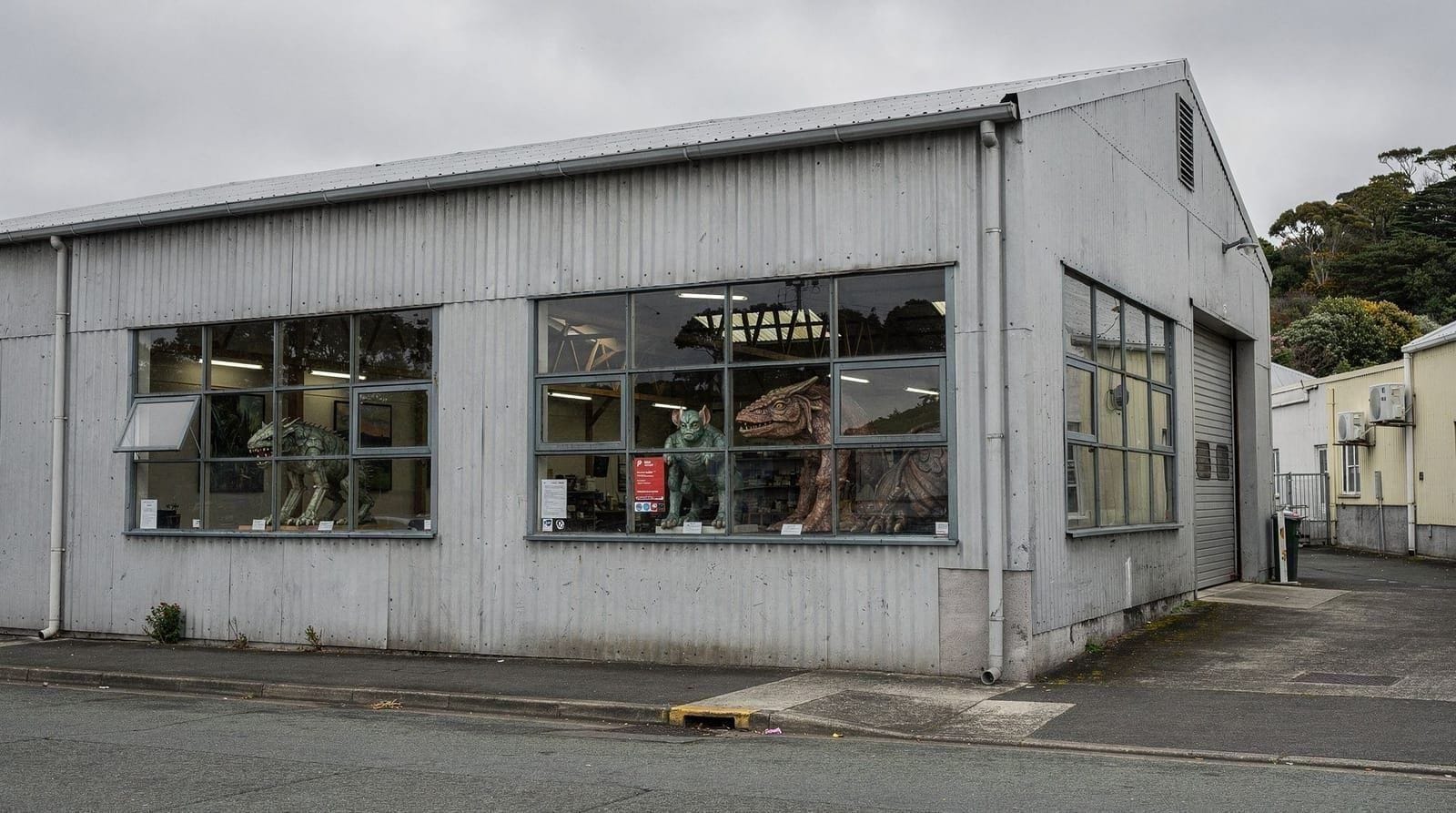
Weta Workshop in Miramar remains the strongest, most tangible piece of the legacy — a real, still-operating special-effects and prop studio that continues working on major international productions, not a museum built purely for tourists. Its guided tours cover behind-the-scenes miniature and creature-design work, and the connection to the original trilogy is direct rather than nostalgic recreation. Our Weta Workshop guide covers what a visit actually involves today.
What’s changed or faded
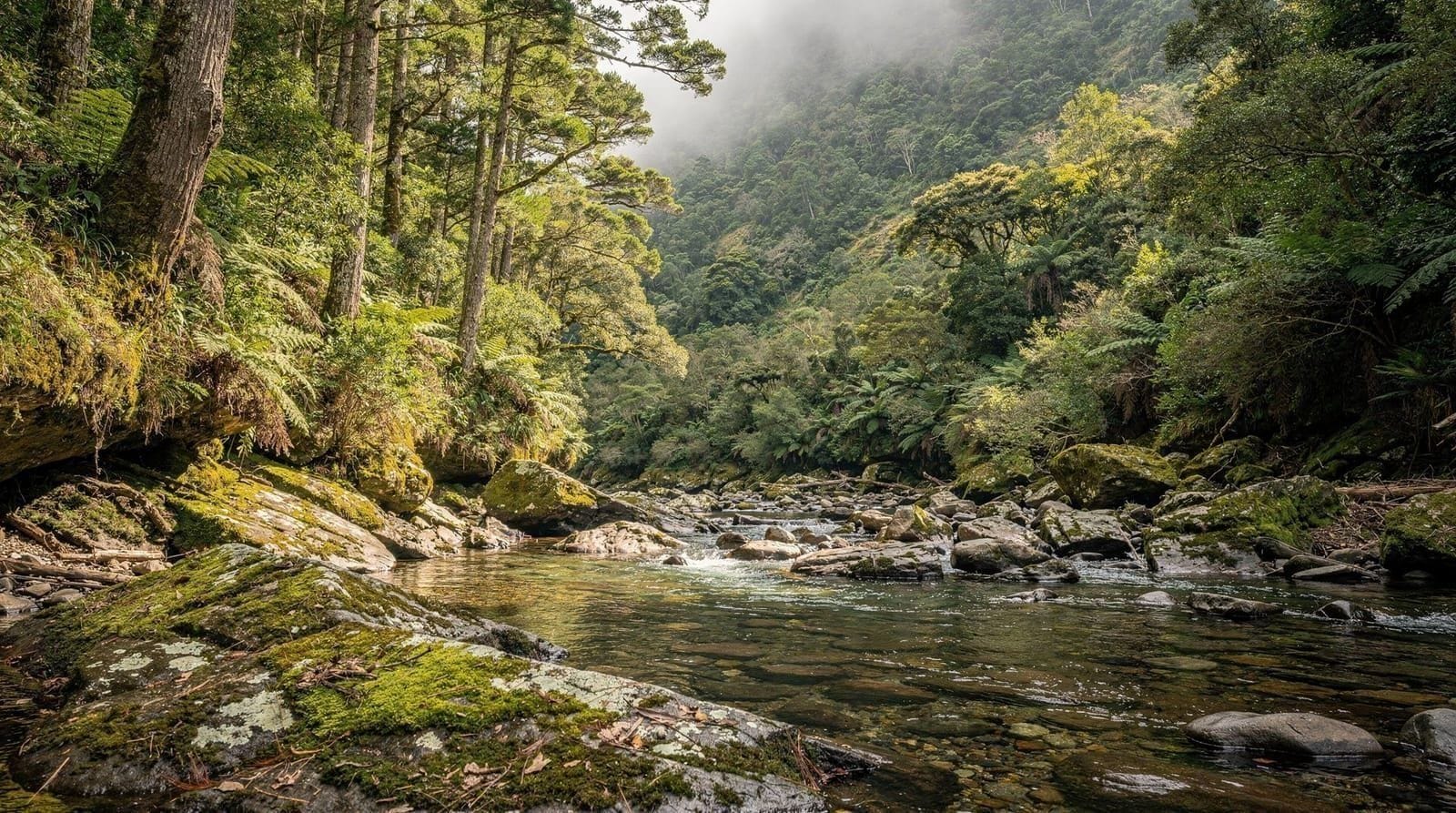
Most of the actual outdoor filming locations around Wellington’s hills, coastline and the wider region were chosen for how they photographed on camera, not for standalone visitor appeal, and 25 years on many look like unremarkable bush, coastline or farmland to anyone without the film context. Some locations have changed meaningfully with development or land use since filming; others are on private land with limited or no public access. Our honest Lord of the Rings filming locations in Wellington guide sets expectations location by location rather than implying every site is a dramatic, camera-ready stop.
The Weta Cave vs Weta Workshop distinction, still relevant
A quarter-century in, visitors still regularly conflate the free Weta Cave shop and small exhibition space with the paid, guided Weta Workshop studio tour — they’re different experiences at different price points, and knowing the difference before you go avoids a common disappointment. Our Weta Cave vs Weta Workshop comparison lays out exactly what each includes.
Is it still worth visiting for a casual fan?
For a genuine Lord of the Rings enthusiast, yes — Weta Workshop and the wider film-heritage trail remain a meaningful pilgrimage 25 years on, and Wellington is still the only place to experience this particular combination of studio access and filming-location scatter. For a casual moviegoer without a specific attachment to the franchise, the appeal is more limited today than it might have been closer to the films’ release, since the novelty of “fresh from the set” locations has faded into ordinary-looking real-world places. Our Weta Workshop guide weighs the cost and time commitment honestly against that more casual level of interest.
How the legacy expanded beyond just Lord of the Rings
Weta Workshop’s continued operation means Wellington’s film-industry connection has grown well beyond the original trilogy — Avatar, The Hobbit and Hunger Games have all drawn on the same studio and much of the same talent base since. Our Weta and Hollywood: Avatar, Hunger Games guide covers this wider arc, useful context if your interest in Weta extends beyond Middle-earth specifically.
The “Wellywood” sign, 25 years on
The large “Wellywood” sign near Wellington Airport, modelled on the Hollywood sign, remains a low-key photo stop for film-heritage visitors, though it’s more a cheeky civic nod to the industry than a direct Lord of the Rings artefact. Our Wellywood sign guide covers exactly where to find it and what else is nearby worth combining it with.
Booking a guided tour of the film heritage today
This Lord of the Rings filming locations tour is the most efficient way to see a curated selection of real sites with proper context, since self-driving to individual locations without guidance often means standing in front of an unremarkable field wondering what you were supposed to be looking at. Pairing it with a Weta Workshop guided tour ticket covers both the studio and the outdoor locations in a single day if your schedule allows it.
Miramar today: more than just Weta
Miramar, the suburb where Weta Workshop and much of Wellington’s film industry are based, has developed its own identity as a working film district beyond just the tourist-facing studio tour — our Miramar film tour guide and Miramar destination guide both cover the wider neighbourhood if you want more than a single studio stop.
Planning a dedicated film-fan trip
For visitors whose whole Wellington trip is built around the Lord of the Rings connection rather than treating it as one stop among several, our Film fan LOTR, 3 days itinerary structures a full visit around Weta Workshop, the filming-location trail and the wider Miramar district, paced realistically rather than assuming every scattered location deserves equal time.
What’s changed about visitor expectations over 25 years
Early visitors in the years right after the trilogy’s release often arrived expecting standing sets and recognisable backdrops; 25 years on, most informed visitors arrive with more realistic expectations, understanding that Weta Workshop’s working studio is the main tangible draw and the outdoor filming locations require genuine imagination and context to appreciate. This shift in expectations is arguably healthier — it produces fewer disappointed visitors and a more honest appreciation of what the legacy actually offers today.
How the local community engages with the legacy now
A quarter-century on, Wellington’s relationship with its Lord of the Rings identity has settled into something more understated than the intense civic enthusiasm of the mid-2000s — locals are generally proud of the connection without treating it as the city’s defining feature, and the “Wellywood” branding is used with a degree of self-aware humour rather than earnest marketing. This more relaxed civic attitude mirrors how the tourist experience itself has matured: less hype, more substance for those who genuinely want it.
Merchandise, memorabilia and what’s actually collectible
Weta Workshop’s retail arm continues producing high-quality collectibles, props replicas and art books tied to the franchise, and for genuine collectors this remains one of the most direct ways to bring home something tangible from the visit beyond photographs. Prices range widely from affordable prints to significant investment pieces, and it’s worth browsing before your tour rather than making purchase decisions under time pressure at the end of a guided visit.
Is the Hobbit trilogy treated the same way as the original films?
Weta Workshop and the wider film-heritage trail generally treat the original Lord of the Rings trilogy and The Hobbit films as a continuous body of work rather than separating them, since much of the same Wellington-based production infrastructure was used for both. Visitors with a stronger attachment to one trilogy over the other will still find their specific interest well covered, since guides and tour operators are used to tailoring commentary to whichever films a given visitor cares most about.
The next generation of fans discovering the films
A meaningful share of today’s visitors weren’t old enough to see the original trilogy in cinemas, discovering it instead through streaming or family viewing years after release — this generational shift hasn’t dented Weta Workshop’s visitor numbers, suggesting the films’ appeal and the studio’s craft both hold up independent of when a fan first encountered them. It’s a reasonable sign the legacy has real staying power beyond a single generation’s nostalgia.
Comparing the experience to 10 years ago
Visitors who came a decade ago and are returning now will notice a more polished, professionally curated tour experience at Weta Workshop today than the earlier, more improvised visitor offerings, reflecting 25 years of the operation maturing into a genuinely well-run tourist attraction alongside its ongoing production work. The core appeal — proximity to real, working film-industry craft — hasn’t changed, but the visitor experience wrapped around it has become considerably more professional.
Quick comparison: your three film-heritage options
Visitors new to Wellington’s film-heritage scene often don’t realise these are three genuinely different experiences at three different price points and time commitments, not one single “Lord of the Rings thing” to tick off:
| Option | What it is | Time | Roughly |
|---|---|---|---|
| Weta Cave | Free shop and small exhibition | 20–30 min | Free |
| Weta Workshop guided tour | Paid studio tour, behind-the-scenes craft | 45–60 min | Around NZD 60–90 |
| Filming-locations tour | Guided minivan tour of real outdoor sites | 3–4 hours | Around NZD 90–150 |
Our Weta Cave vs Weta Workshop comparison and is Weta Workshop still worth it in 2026 both go deeper on whether the paid tour earns its price for your specific level of interest.
Practical logistics for a film-heritage day
If you’re combining Weta Workshop with the outdoor filming-location trail, plan the studio tour first — it runs on fixed guided-tour timeslots, while a driving or guided minivan tour of outdoor sites is more flexible around that. Miramar sits a short drive from central Wellington, so a car, rideshare or the local bus route works; self-driving to individual filming locations without a guide is the option most likely to leave you standing in an unremarkable field wondering what you were meant to be looking at, so budget extra time if you go that route rather than joining a guided tour. Our do you need a car in Wellington guide covers whether renting makes sense for a day like this, and getting around Wellington on Metlink covers the public transport alternative.
Combining the legacy with the rest of your Wellington trip
A film-heritage day pairs naturally with the rest of what Miramar and the wider city offer — it doesn’t need to stand alone as its own dedicated day unless you’re a committed fan. Our things to do in Wellington guide and Wellington in 2 days itinerary both show how a Weta Workshop stop slots into a broader visit without dominating the schedule, and if the wider Wellington trip is only part of a longer New Zealand itinerary, the Wellington 1 week north island ferry plan shows where a film-heritage day fits alongside everything else worth seeing.
Frequently asked questions about Wellington’s Lord of the Rings legacy today
Do I need to book the Weta Workshop tour in advance?
Yes, especially over summer and school-holiday weekends — guided tours run on fixed timeslots with limited group sizes, and walking up without a booking risks missing out or waiting for the next available slot.
Is the filming-locations trail worth doing without a guide?
For most visitors, no — a self-driven visit to individual sites usually means standing in front of ordinary-looking bush or coastline without context, whereas a guided tour explains what was filmed where and why it was chosen, which is most of the appeal.
Are any of the original film sets still standing in Wellington itself?
No — unlike Hobbiton near Matamata, which was built as a permanent set, Wellington’s locations were largely real places dressed for filming rather than purpose-built standing sets, and most have reverted to their ordinary appearance.
Is Weta Workshop still actively working on films, or is it now purely a tourist attraction?
It remains an active, working studio contributing to major international productions — the tourist-facing tour is one part of its business, not the whole of it.
Should I visit Hobbiton instead if I only have time for one Lord of the Rings stop in New Zealand?
They serve different purposes — Hobbiton (North Island, near Matamata) offers a preserved, walk-through set, while Wellington offers the working studio and prop-design side of the production; a serious fan benefits from both if time allows.
The honest 25-years-on verdict
The Lord of the Rings legacy in Wellington has aged into something more selective than it once was — genuinely worthwhile for committed fans willing to engage with Weta Workshop’s ongoing work and a realistic set of filming locations, less compelling as a must-do for casual visitors without a specific attachment to the films. Twenty-five years on, it’s less about reliving a fresh cultural moment and more about appreciating a still-functioning piece of film-industry infrastructure that happens to have started here.