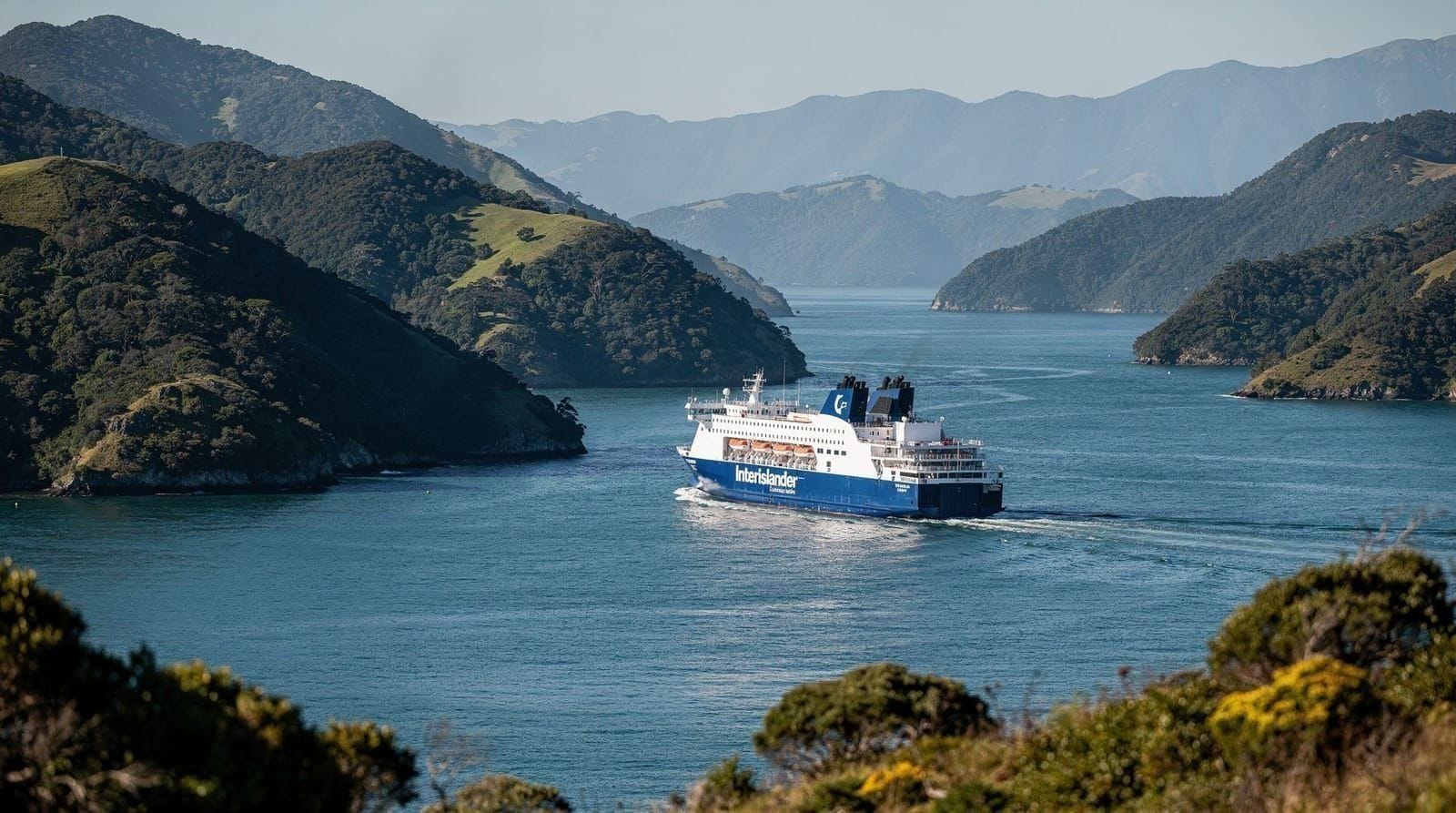
Marlborough Sounds cruise review: is it worth the trip from Picton?
Picton: Marlborough Sounds and Ship Cove Cruise
Duration: 3h
What the Marlborough Sounds cruise actually is
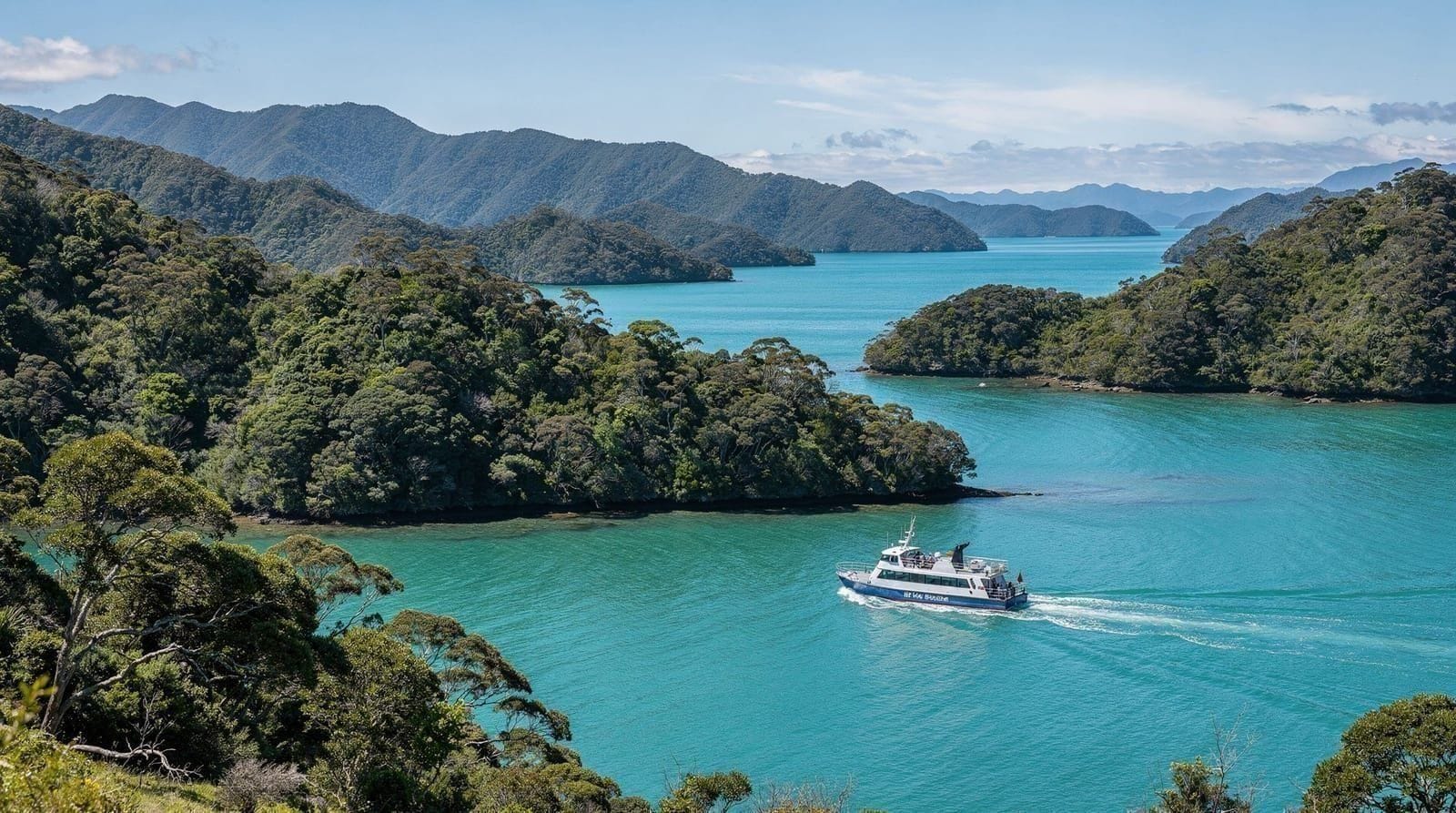
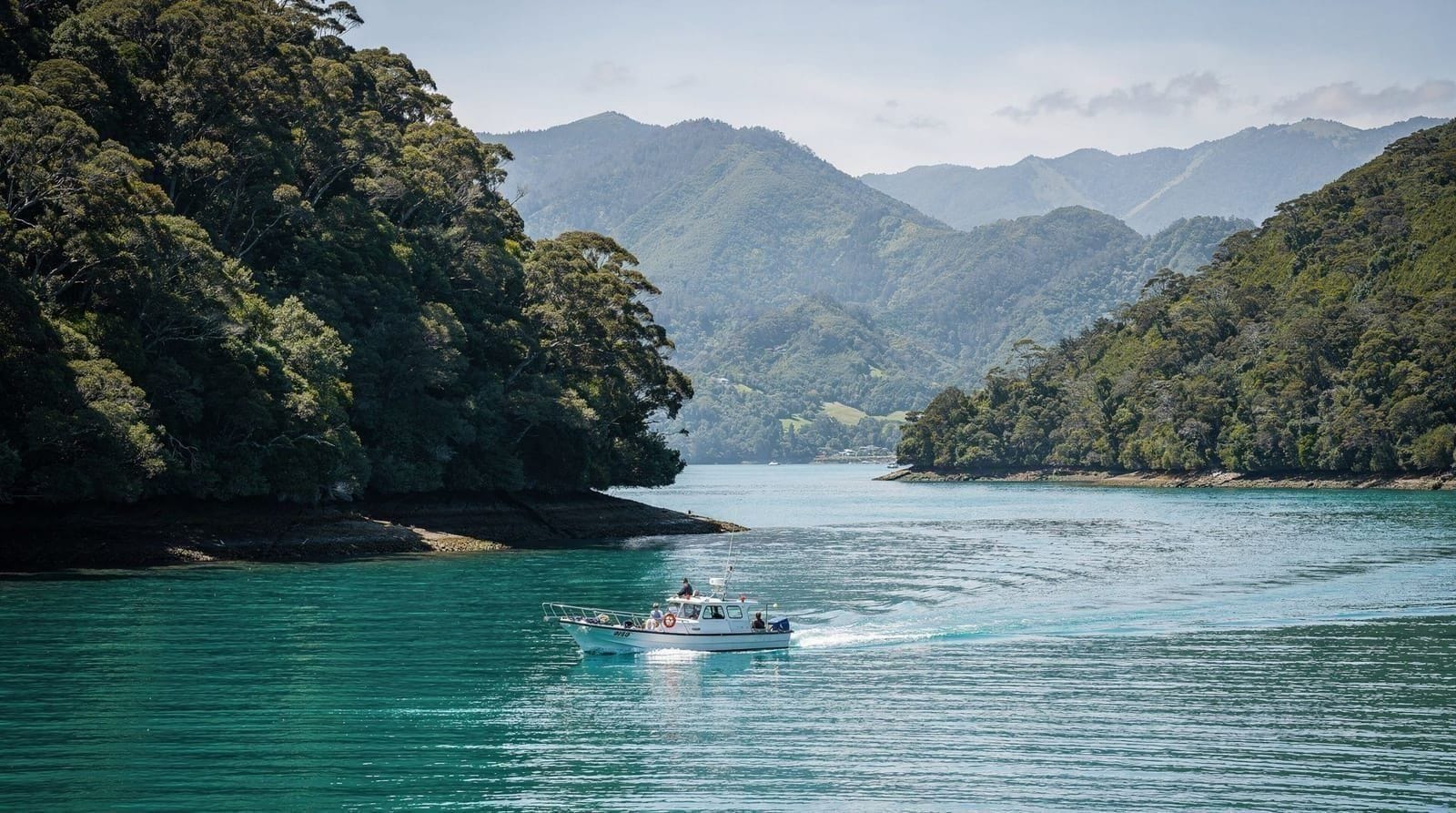
The Marlborough Sounds are a maze of drowned river valleys at the top of the South Island, reached via Picton, the small port town most Wellington visitors arrive at after the Cook Strait ferry crossing. A cruise through the Sounds shows off scenery that the ferry crossing itself only hints at — sheltered, calm waterways lined with forested hills and small bays, a genuinely different character from the open-water Cook Strait passage most passengers have just experienced.
| Where | Departs Picton harbour, South Island |
| Cost | NZD 90–130/adult (Ship Cove); NZD 130–180 for seafood/lodge lunch versions |
| Time needed | ~3hrs for the standard Ship Cove cruise |
| Getting there | Walkable from Picton town centre and the ferry terminal |
| Best time | Oct–Apr for calmest water; book ahead around ferry arrivals |
The Marlborough Sounds and Ship Cove cruise from Picton runs about 3 hours, taking in the Sounds’ scenery with a stop at Ship Cove (Meretoto) — the historically significant site where Captain Cook anchored during several Pacific voyages, and now the northern trailhead of the Queen Charlotte Track. It’s a well-paced introduction to the region for visitors who don’t have time for a multi-day Sounds trip but want more than a fleeting glimpse from a moving ferry.
This cruise sits at a useful intersection for travellers: it works equally well as a standalone Picton activity for those staying locally, and as a smart use of a Cook Strait ferry layover, since the Sounds’ calm water makes for a genuinely relaxing few hours after (or before) the more exposed ferry crossing.
The Marlborough Sounds themselves formed as ancient river valleys flooded by rising sea levels, creating the labyrinth of narrow waterways and steep, forested ridgelines that makes the region so visually distinctive from the water. Cook’s own journals from his 18th-century Pacific voyages describe the area in terms that still resonate today — sheltered, abundant, and strategically significant for resupplying ships between longer legs of exploration — and that same sheltered character is exactly why the Sounds remain calm even when Cook Strait itself is churning further out.
Getting to the departure point in Picton
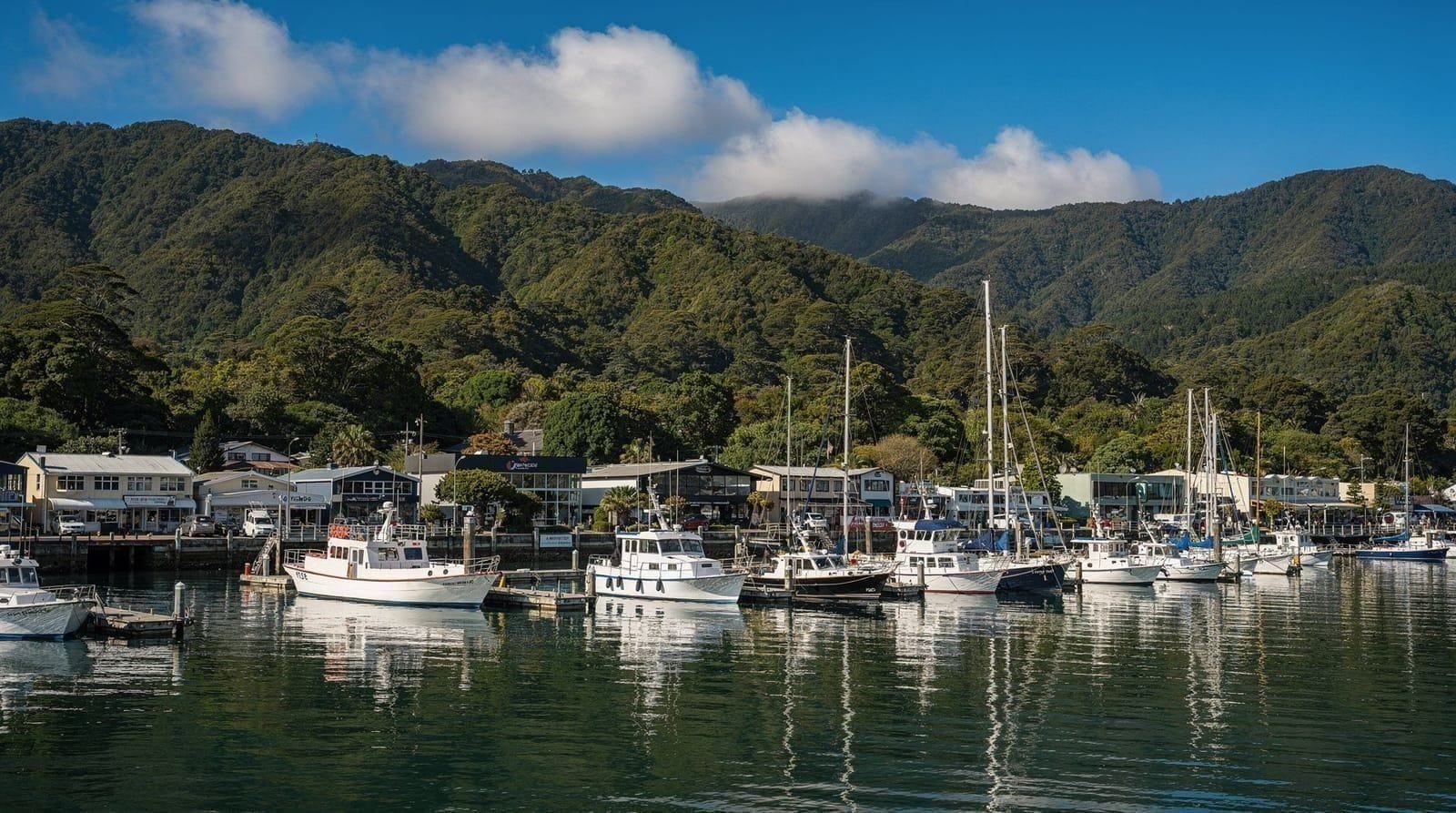
The cruise departure point sits directly in Picton harbour, an easy walk from the Interislander and Bluebridge ferry terminals and from most Picton accommodation — there’s no need to arrange a taxi or transfer if you’re arriving on foot from the ferry or staying centrally in town. If you’re driving down from elsewhere on the South Island rather than arriving by ferry, Picton has straightforward parking near the waterfront, and the compact town centre means the whole cruise, from parking to boarding to disembarking, fits comfortably into a half day without extra logistics to plan around.
A typical cruise, stop by stop
Most sailings depart Picton harbour mid-morning, threading out through the inner Queen Charlotte Sound before opening into wider water on the approach to Ship Cove. Onboard commentary typically covers both the natural history of the drowned-valley landscape and its human history, from Māori settlement through to Cook’s voyages and the area’s more recent role in aquaculture and tourism. The Ship Cove stop itself usually allows 20 to 30 minutes ashore to see the memorial and information panels marking Cook’s visits, before the boat continues its loop back toward Picton.
Marine life is a genuine bonus rather than the main event on this cruise, but the Sounds regularly host dolphins, seals, and a range of seabirds, with the occasional king shag — a rare species found almost nowhere else in the world — spotted around some of the smaller islands en route. Keep a camera or binoculars handy through the open-water sections in case something surfaces alongside the boat. The king shag in particular is a genuine rarity worth knowing about before you board — it breeds nowhere else on Earth outside the Marlborough Sounds, and a confirmed sighting is a legitimate highlight for anyone with even a passing interest in birdlife, though as with all wildlife sightings, it’s never guaranteed on any single trip.
What’s included and what it costs
The Ship Cove cruise typically costs NZD 90 to 130 per adult for the roughly 3-hour experience, covering the boat trip, onboard commentary, and the Ship Cove stop itself. For visitors who want food built into the experience, the Marlborough Sounds cruise with seafood adds a fresh seafood tasting component, typically priced a little higher, roughly NZD 130 to 160.
If a proper sit-down meal at a scenic lodge appeals more than an onboard tasting, the Queen Charlotte Sound cruise with lunch at Furneaux Lodge extends the format with a stop for lunch at a lodge accessible only by water — a nice option for a more leisurely, longer half-day out on the Sounds, generally priced in the NZD 150 to 180 range depending on the season and exact lunch inclusions.
All three formats depart from Picton and are timed to fit reasonably around typical Interislander and Bluebridge ferry arrival and departure schedules, making them workable additions to a ferry-day itinerary rather than requiring a separate dedicated day in Picton.
For a couple booking the standard Ship Cove cruise, expect roughly NZD 180 to 260 total, a reasonable mid-range activity cost for a half-day guided boat trip with genuine historical substance behind the scenery — comparable to similarly scenic half-day boat tours elsewhere in New Zealand, and arguably better value given the significant history layered into the route.
Comparing the three cruise formats
| Format | Duration | Cost (NZD/adult) | Best for |
|---|---|---|---|
| Ship Cove cruise | ~3hrs | ~90–130 | History and scenery on a moderate budget |
| Seafood cruise | Slightly longer | ~130–160 | Travellers who want a tasting built in |
| Furneaux Lodge lunch cruise | Longest, half-day | ~150–180 | A proper sit-down meal at a water-access-only lodge |
Accessibility and practical logistics
Boarding and disembarking at Picton harbour is generally straightforward and step-assisted where needed, and most vessels have covered seating as well as open deck access, letting passengers choose their preferred comfort level regardless of weather conditions on the day. The Ship Cove stop itself involves a short, generally flat walk from the landing point to the memorial and information area, manageable for most visitors including those with moderate mobility considerations. Onboard toilets and covered seating are standard across the main operators, and crew are generally accommodating about helping passengers with limited mobility on and off the vessel at both Picton and the Ship Cove landing.
Is it worth it — the honest verdict
For anyone spending meaningful time in Picton — whether an overnight stay or a multi-hour layover — yes, this is genuinely one of the best uses of that time available in the wider Marlborough Sounds region. The Sounds’ scenery is genuinely distinctive, the history at Ship Cove adds real substance beyond pure scenery, and the calm water makes for a relaxed few hours regardless of how the Cook Strait crossing itself went.
The honest caveat applies mainly to travellers on a very tight connection who are rushing straight through Picton to Blenheim, Nelson, or further south with limited flexibility — fitting a 3-hour cruise into that kind of schedule requires deliberately building in the time, which not every itinerary allows. If your Picton stop is genuinely just a ferry-to-onward-transport transfer with no slack, this cruise is worth planning for on a future or return trip rather than trying to force into an already tight day.
Traveller feedback on Sounds cruises consistently highlights the scenery and the calm-water contrast to the ferry crossing as the two biggest draws, with the Ship Cove history adding an extra layer of substance that some visitors weren’t expecting going in — a pleasant surprise for travellers who booked mainly for the scenery.
Who this suits
This suits ferry travellers with a few hours’ layover or an overnight stay in Picton, history enthusiasts interested in Cook’s Pacific voyages and the region’s colonial-era significance, and anyone wanting a calm, scenic contrast to the open-water ferry crossing they’ve just done. It’s a natural fit for the Wellington to South Island via ferry itineraries that build in Picton time specifically. Families travelling together generally find the calm water and moderate 3-hour length manageable even with younger children, unlike some of the more physically demanding South Island wildlife or adventure activities.
It suits less well travellers on a genuinely tight connection with no schedule flexibility, anyone prone to any boat-related discomfort who’d rather stay on dry land after the ferry crossing, and visitors whose priority in the wider South Island trip lies elsewhere — Nelson, Abel Tasman, or Kaikōura, for instance — and would rather push straight on rather than add a stop in Picton. If your South Island time is genuinely limited, it’s worth being honest about whether Picton itself is a destination for you or purely a transit point, since that framing changes how much time is worth allocating here.
Tips for visiting
Book ahead if you’re travelling in peak summer months, particularly for sailings timed close to popular ferry arrival slots, since these fill first. Bring warm layers even on a sunny day — being out on open water, even sheltered water, is generally cooler than it looks from shore.
Pack sunscreen and a hat regardless of season, since reflected light off the water adds to UV exposure beyond what the air temperature alone might suggest. If seasickness is any concern at all, note that the Sounds themselves are considerably calmer than the open Cook Strait crossing, so most passengers who managed the ferry crossing without trouble find this cruise notably gentler by comparison.
If you’re combining this cruise with a ferry crossing on the same day, check the cruise departure time against your ferry’s actual arrival time with a comfortable buffer — ferry schedules can run behind, particularly in rougher Cook Strait conditions, and you don’t want to miss a booked cruise slot because of ferry delays upstream. Building in at least an hour of slack between a scheduled ferry arrival and a cruise departure is a sensible rule of thumb rather than booking the two back to back with no margin.
Best season for a Sounds cruise
Late spring through autumn (roughly October to April) typically offers the calmest water and clearest visibility for scenery and photography, coinciding with the busiest ferry travel season, so booking ahead matters more during these months. Winter cruises still run and can be genuinely rewarding on a clear, crisp day, with far fewer other visitors sharing the boat, though wetter, windier conditions are more common and worth checking forecasts for before committing to a specific sailing.
| Season | Water conditions | Crowds | Booking pressure |
|---|---|---|---|
| Oct–Apr | Calmest, clearest visibility | Busiest, coincides with ferry peak season | High — book ahead |
| May–Sep | Wetter, windier, more variable | Quietest, fewer other visitors | Lower — easier to secure a sailing |
If you’re hiking the Queen Charlotte Track
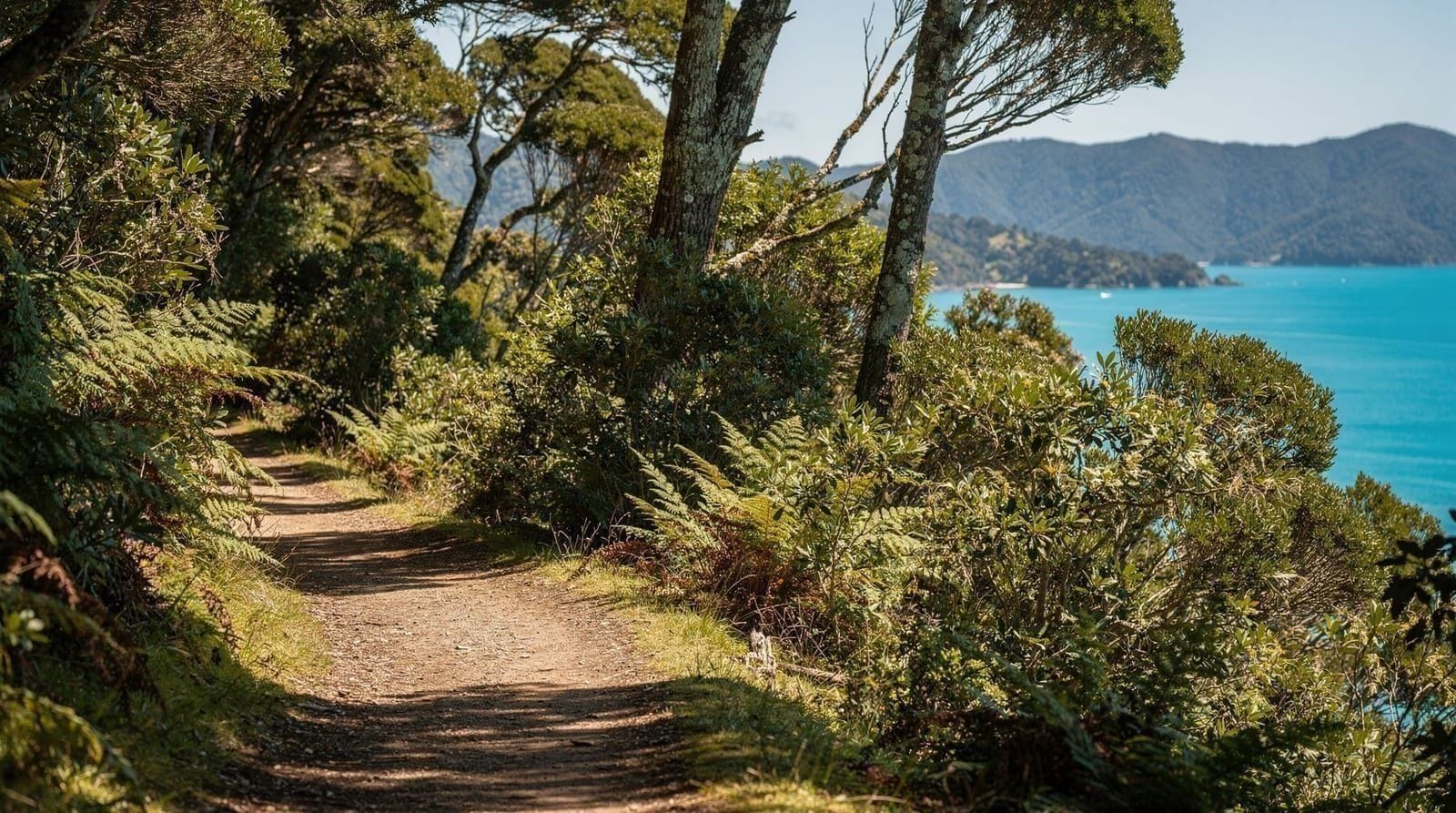
Ship Cove is the standard northern starting point for the Queen Charlotte Track, a well-regarded multi-day walking (or mountain biking) route through the Sounds’ forested ridgelines and secluded bays. If that’s part of your wider South Island plans, our Queen Charlotte Track hiking guide covers how this cruise fits in as a track-access option rather than purely a scenic day tour, including the water-taxi and cruise combinations typically used to shuttle trampers along the route.
Alternatives to consider
If food is as much a priority as the cruise itself, the seafood-inclusive cruise or the Furneaux Lodge lunch cruise both build a proper meal into the itinerary rather than leaving you to find lunch separately in Picton afterward — the Furneaux Lodge option in particular is worth it for the novelty of a lodge accessible only by boat, a genuinely memorable lunch setting few other New Zealand day trips can match.
For a broader look at the wider region beyond this single cruise, our Marlborough Sounds cruise guide compares the main cruise operators and formats available from Picton, while our Picton and Marlborough day trip via ferry guide covers how to structure a full day trip from Wellington that includes both the ferry crossing and a Sounds cruise without an overnight stay — a genuinely ambitious but achievable single-day itinerary for travellers with limited time on the South Island. If wine is more your priority than water once you’re in the region, see our Marlborough versus Martinborough wine comparison for how to weigh the two wine regions against each other, and consider whether a wine-focused day around Blenheim might suit your remaining South Island time better than a second water-based activity so soon after the ferry crossing.
Compare the standard Ship Cove cruise against the seafood and lodge-lunch alternatives below to find the format that best matches your appetite and schedule.
Compare alternative tours
Frequently asked questions about Marlborough Sounds cruise review: is it worth the trip from Picton?
How much does the Marlborough Sounds cruise cost and how long does it run?
The Ship Cove cruise typically runs around 3 hours and costs roughly NZD 90 to 130 per adult. Seafood-inclusive and lunch-at-lodge versions run a bit longer and cost more, generally NZD 130 to 180, reflecting the added meal and, on some itineraries, an extra stop.What is Ship Cove and why does the cruise go there?
Ship Cove (Meretoto) is a historically significant site where Captain James Cook anchored multiple times during his Pacific voyages, and it now marks one end of the Queen Charlotte Track. The cruise typically stops there to let passengers appreciate both the history and the sheltered, scenic bay itself, before continuing through the wider Sounds.Do I need to book this cruise in advance or can I turn up in Picton and book on the day?
Booking ahead is recommended, particularly in peak summer months and around Interislander ferry arrival times, since cruises are timed to work with ferry passenger schedules and popular sailings can fill. Walk-up availability exists outside peak season but isn't something to rely on if your schedule is tight.Is the Marlborough Sounds cruise worth doing if I'm just passing through Picton on the ferry?
If you have a few hours of layover or are staying in Picton overnight, yes — it's one of the best uses of limited time in the area, since the Sounds' calm, drowned-valley scenery is genuinely distinctive and not something you'll see from the ferry deck alone. If you're rushing straight through to Nelson, Blenheim, or further south with a tight connection, it's harder to fit in without adjusting your onward plans.How does this cruise compare to a seafood-focused Sounds cruise?
The Ship Cove cruise emphasises history, scenery, and the Queen Charlotte Track connection, with a fairly standard duration and stop pattern. Seafood-focused alternatives add a fresh mussel or seafood tasting component, usually at a modestly higher price, and appeal more if food is as much a priority for you as the scenery and history.Is the water in the Marlborough Sounds generally calm?
Yes, considerably calmer than the open Cook Strait crossing most visitors have just experienced on the Interislander or Bluebridge ferry — the Sounds are sheltered, drowned river valleys, which makes for a noticeably gentler ride than the ferry itself, a welcome contrast for anyone who found the crossing rough.Can I fit this cruise in on the same day as my ferry crossing?
Often, yes, if your ferry arrives with a reasonable buffer before the cruise departure — most Picton-based cruise operators time sailings to work around typical Interislander and Bluebridge arrivals. Build in at least an hour of slack rather than booking back to back, since ferry schedules can run behind, particularly in rougher Cook Strait conditions.