Remutaka Forest Park guide
Wellington: Remutaka Rail Trail Mountain Bike Explorer
What can you do in Remutaka Forest Park?
The park's best-known feature is the Remutaka Rail Trail, a mostly flat, easy cycling and walking route following the route of a decommissioned 19th-century railway through native bush, with the historic Cross Creek incline and Siberia Tunnel as highlights. Walking tracks, camping and picnic areas round out a park about 30-40 minutes from central Wellington by car.
A former railway reclaimed by native bush
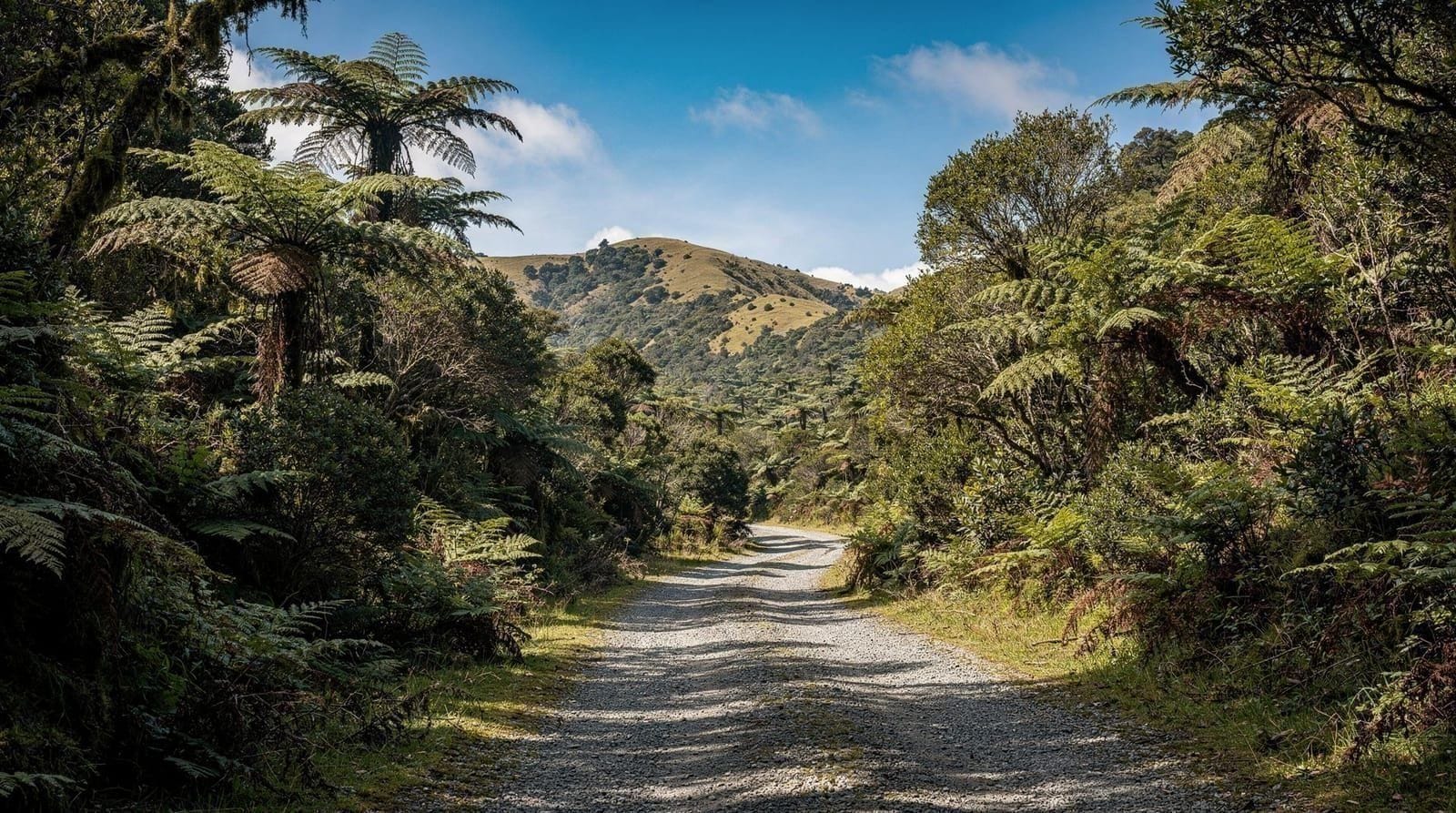
Remutaka Forest Park covers a substantial stretch of forested ranges between the Hutt Valley and the Wairarapa, and its best-known feature is a genuinely clever piece of adaptive reuse: the Remutaka Rail Trail follows the exact route of a 19th-century railway line, decommissioned in 1955 when a road tunnel replaced the old rail route over the range, and left largely intact as a walking and cycling corridor through native forest ever since.
| Where | Between the Hutt Valley and the Wairarapa, ~30-40min from Wellington |
| Cost | Free (DOC park); rail trail bike tour from around NZD 100-150pp |
| Time needed | 2-3hrs cycling one-way, 5-6hrs walking one-way |
| Getting there | Car via SH2 (Kaitoke end) or over the Remutaka Range (Cross Creek end) |
| Best time | September-May; winter brings mud on some sections |
That railway heritage is what makes the trail so approachable compared with most forest park walks in this region — railways were built to gentle, consistent gradients for steam locomotives, which means the trail today is flat or gently graded almost throughout, a rarity in a landscape this hilly, and genuinely suited to casual cyclists and families rather than only serious mountain bikers.
The Fell engine incline: a genuine rail engineering oddity
The Cross Creek incline, now part of the rail trail’s route, was one of the steepest sustained railway grades ever operated in New Zealand, and it required a genuinely unusual solution: New Zealand Railways imported Fell locomotives, a rare design using a central third rail gripped horizontally by extra wheels to provide the additional traction needed to climb the grade safely, since standard steam locomotives couldn’t manage the incline on ordinary rails alone. The Fell system operated here from the railway’s opening in 1878 until the incline was bypassed by the Remutaka Tunnel in 1955, making the original route obsolete for rail traffic and eventually repurposed as today’s walking and cycling trail. It’s one of only a small number of Fell railway installations that ever existed worldwide, and interpretive panels along the trail explain the system’s mechanics in more detail for anyone curious about the engineering behind what otherwise reads simply as an old railway grade.
The Remutaka Rail Trail
The trail runs about 18 km one-way between Cross Creek, near Featherston on the Wairarapa side, and Kaitoke, on the Hutt Valley side closer to Wellington. Along the way it passes the historic Cross Creek incline — where a steep, cable-hauled section once hauled trains up the range’s steepest grade using a Fell engine system unique in New Zealand’s rail history — and the Siberia Tunnel, a short, atmospheric bore through solid rock that’s one of the trail’s more memorable features.
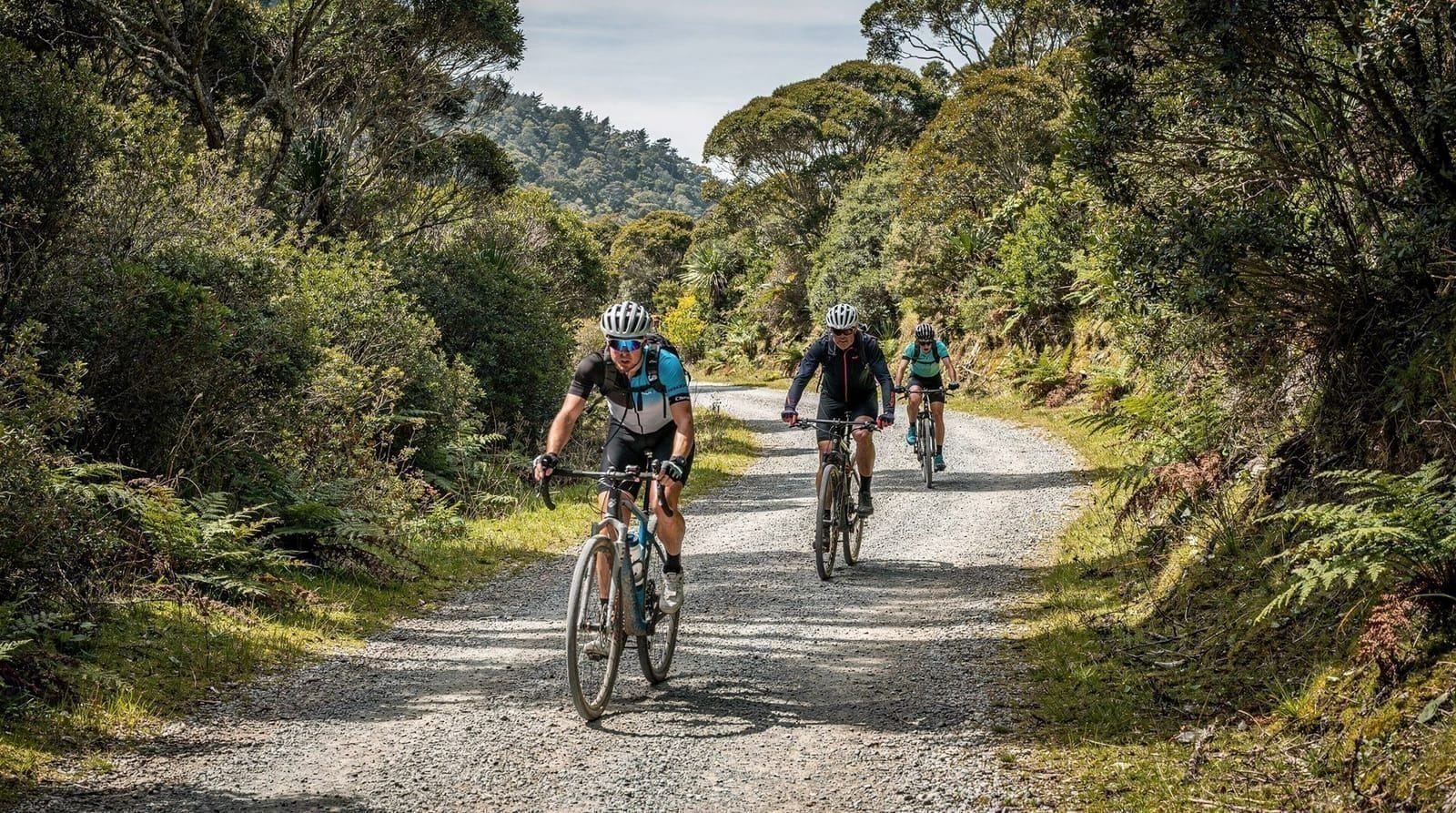
Most riders cover the full trail in around two to three hours at an easy pace, and the Remutaka Rail Trail mountain bike explorer tour covers the route with a guide and bike hire included, a straightforward option for visitors without their own bikes or transport to arrange a one-way shuttle between the trail’s two ends. Riding one-way with a shuttle rather than an out-and-back is generally the better experience, since it means covering new ground the whole way rather than retracing the same trail twice.
Walking rather than cycling
The rail trail itself is entirely open to walkers as well as cyclists, and its gentle grade makes it a genuinely pleasant multi-hour walk for those who’d rather not cycle — budget five to six hours to walk the full one-way distance, or treat a shorter out-and-back section from either end as a half-day walk instead. Beyond the rail trail itself, the park has a network of shorter walking tracks around the Catchpool Valley and Orongorongo areas near the Wellington side, ranging from easy valley-floor loops to more demanding day walks into the higher forested ridgelines.
Walking tracks beyond the rail trail
Beyond the rail trail itself, Remutaka Forest Park’s Catchpool Valley area near the Kaitoke end offers a genuinely varied network of shorter walking tracks, ranging from the easy, family-friendly Catchpool Stream loop near the entrance to more demanding day walks climbing into the Orongorongo Valley and toward the higher ridgelines separating the Hutt Valley from the exposed south coast. The Orongorongo Track in particular is popular with more experienced trampers wanting a genuine bush walk with real elevation gain, typically taking four to six hours return depending on how far along the valley you go, and rewarding the effort with views back over the Hutt Valley and, on a clear day, across to the South Island.
These walking tracks see considerably less traffic than the rail trail itself, since they demand more fitness and aren’t cycling-accessible, which makes them a good option for visitors specifically seeking a quieter forest experience away from cyclists and casual day-trippers.
Facilities and picnic areas
Catchpool Valley, at the park’s Kaitoke end, has the best-developed facilities in the park — picnic tables, toilets, and a car park serving as the trailhead for both the shorter valley walks and access into the wider Orongorongo network. Tunnel Gully, a short distance further along, offers a similar picnic and camping setup with its own short walking loop, a good option for a simpler, lower-commitment outing than the full rail trail or a longer Orongorongo walk. Neither site has a café or shop on-site, so pack food and water before arriving regardless of which part of the park you’re visiting.
Rail trail vs Orongorongo Track: which to choose
| Remutaka Rail Trail | Orongorongo Track | |
|---|---|---|
| Distance | 18km one-way | Varies, typically 4-6hrs return |
| Grade | Flat/gentle, former railway | Real elevation gain, genuine bush walk |
| Best for | Cycling, families, casual walkers | Fitter trampers wanting solitude |
| Traffic | Busier, especially weekends | Much quieter |
| Highlights | Fell incline, Siberia Tunnel | Views over the Hutt Valley and South Island |
Getting there from Wellington
The Kaitoke end, closer to Wellington, is reached via State Highway 2 through the Hutt Valley, about 40 minutes’ drive from the central city — this is the more commonly used access point for day visitors based in Wellington itself, and it connects directly to Kaitoke Regional Park next door, familiar to Lord of the Rings fans as the Rivendell filming location. The Cross Creek end, on the Wairarapa side near Featherston, is reached over the Remutaka Range via Martinborough or directly via the main Remutaka Hill road, roughly an hour from Wellington.
There’s no direct public transport to either trailhead, so a car, guided tour, or bike-tour transfer is the practical way in for most visitors — worth planning ahead if you don’t have your own vehicle.
Safety and what to bring
Even on the gentle grade of the rail trail itself, the surrounding forest park is genuine backcountry terrain rather than a manicured city park, and weather conditions can shift quickly in the ranges — carry a rain layer regardless of how clear the day looks from the Hutt Valley or Wellington, since the higher sections often catch cloud and rain that hasn’t yet reached the lower city. Mobile phone coverage is patchy through much of the park, particularly in the Siberia Tunnel area and the more remote stretches of the Orongorongo Valley, so let someone know your planned route if venturing beyond the main rail trail. Water is available at a small number of points along the rail trail, but carrying your own is the safer default, especially for the longer walking tracks where refill points don’t exist at all.
Camping and facilities
A handful of Department of Conservation campsites sit within the park, including Catchpool Valley and Tunnel Gully near the Kaitoke end, both offering basic tent facilities (toilets, water, some with cooking shelters) rather than powered sites or cabins. These suit trampers and cyclists wanting to break a longer route into two days, or simply campers looking for an accessible, low-cost base within easy reach of Wellington.
Bike hire and guided options
Visitors without their own bikes have a reasonable choice of hire and guided options rather than needing to arrange everything independently. The Remutaka Rail Trail mountain bike explorer tour includes bike hire and a guide covering the full one-way route with transport arranged for the return leg, removing the logistical headache of organising a shuttle yourself. E-bike-specific tours are also available for visitors wanting an easier ride, particularly useful for less confident cyclists or those wanting to cover the full distance without the sustained effort a standard bike requires on the trail’s gentle but consistent grade. Independent cyclists bringing their own bikes can simply drive to either end and ride out-and-back, or arrange their own shuttle through a local operator if a one-way ride is preferred.
Best time of year to visit
The rail trail’s gentle grade and largely forested route make it a reasonably good year-round option compared with more exposed walks in the region, though winter (June-August) brings its share of mud and standing water on some sections after heavy rain, and the exposed higher walking tracks catch the same strong winds the wider Wellington region is known for. Spring through autumn (September-May) generally offers the most reliable conditions for both cycling and walking.
A quieter alternative to Wellington’s busier trails
Compared with Wellington’s more heavily used mountain-biking and walking destinations closer to the city — Mount Victoria, Makara Peak and the Escarpment Track among them — Remutaka Forest Park sees noticeably fewer visitors on any given weekday, despite being only marginally further from central Wellington. That relative quiet is part of the appeal for visitors who’ve already done the closer-in trails and want a genuinely different, more forested and historically layered outing without venturing all the way out to the Wairarapa or South Island.
Families on the rail trail
Because the rail trail follows a former railway grade, it’s one of the more genuinely family-friendly cycling routes within reach of Wellington — flat enough for children on their own bikes over shorter sections, though the full 18km one-way distance is a real undertaking for younger legs. Families without a shuttle arranged generally do better picking a shorter out-and-back stretch from the Kaitoke end, covering the Siberia Tunnel and turning back, rather than committing the whole group to the full one-way distance. Toilets and picnic spots at Catchpool Valley make a sensible turnaround point for this shorter family version.
Is it worth the trip?
For a genuinely easy, scenic outing that doesn’t demand serious fitness or technical mountain-biking skill, yes — the rail trail’s gentle grade and historical interest (the Fell incline, the Siberia Tunnel) make it a distinctive alternative to Wellington’s steeper, more strenuous walking options like Mount Victoria or Makara Peak. It suits families, casual riders and anyone wanting a half-day forest outing without a demanding climb, though committed mountain bikers seeking technical single-track will find better terrain elsewhere in the region.
Pairing a rail trail visit with a stop at Kaitoke Regional Park next door, or extending into a full Hutt Valley day trip covering Lower Hutt and Petone as well, makes efficient use of the drive out from central Wellington rather than treating the forest park as an isolated stop.
Frequently asked questions about Remutaka Forest Park guide
How long is the Remutaka Rail Trail?
The full trail runs about 18 km one-way between Cross Creek and Kaitoke, following the former Wairarapa railway's old formation through the ranges. Most cyclists complete it in 2-3 hours at an easy pace; a shorter out-and-back from either end suits those without a shuttle arranged for a one-way ride.Is the Remutaka Rail Trail suitable for beginners?
Yes — the trail follows a former railway grade, so it's gentle and well-formed with minimal steep sections, suiting families and casual cyclists as well as more experienced riders. E-bike tours are a popular option for those wanting an easier ride or less time in the saddle.How do you get to Remutaka Forest Park from Wellington?
The Kaitoke end of the park is about 40 minutes' drive from central Wellington via State Highway 2 through the Hutt Valley, while the Cross Creek end near Featherston is reached from the Wairarapa side, about an hour from Wellington over the Remutaka Range. Most day visitors approach from the Kaitoke side.Can you camp in Remutaka Forest Park?
Yes — the park has a handful of Department of Conservation campsites, including at Catchpool Valley and Tunnel Gully near the Kaitoke end, with basic facilities suited to tents and self-contained camping rather than powered sites.Is Remutaka Forest Park connected to Lord of the Rings filming?
The park sits close to Kaitoke Regional Park, used as the filming location for Rivendell in the Lord of the Rings trilogy, though the two are separate parks with Kaitoke Regional Park managed independently. See our Kaitoke Regional Park guide for the Rivendell connection specifically.Is there a shorter version of the rail trail suitable for families?
Yes — rather than the full 18km one-way, families can ride or walk an out-and-back stretch from the Kaitoke end, covering the Siberia Tunnel and turning back at Catchpool Valley, which has toilets and picnic tables making a natural turnaround point.Is there a fee to use the Remutaka Rail Trail or walking tracks?
No, the trail and walking tracks are free to use as part of the Department of Conservation-managed forest park. The only costs are optional ones — bike hire, a guided tour, or the modest DOC camping fee if staying overnight at Catchpool Valley or Tunnel Gully.