Remutaka Rail Trail guide
Wellington: Remutaka Rail Trail Mountain Bike Explorer
How long is the Remutaka Rail Trail?
The trail runs about 18 km one-way between Kaitoke, near the Hutt Valley, and Cross Creek, near Featherston on the Wairarapa side, following a decommissioned 19th-century railway grade. Most cyclists complete it in 2-3 hours; walkers should budget 5-6 hours for the full one-way distance.
An old railway turned cycling and walking corridor
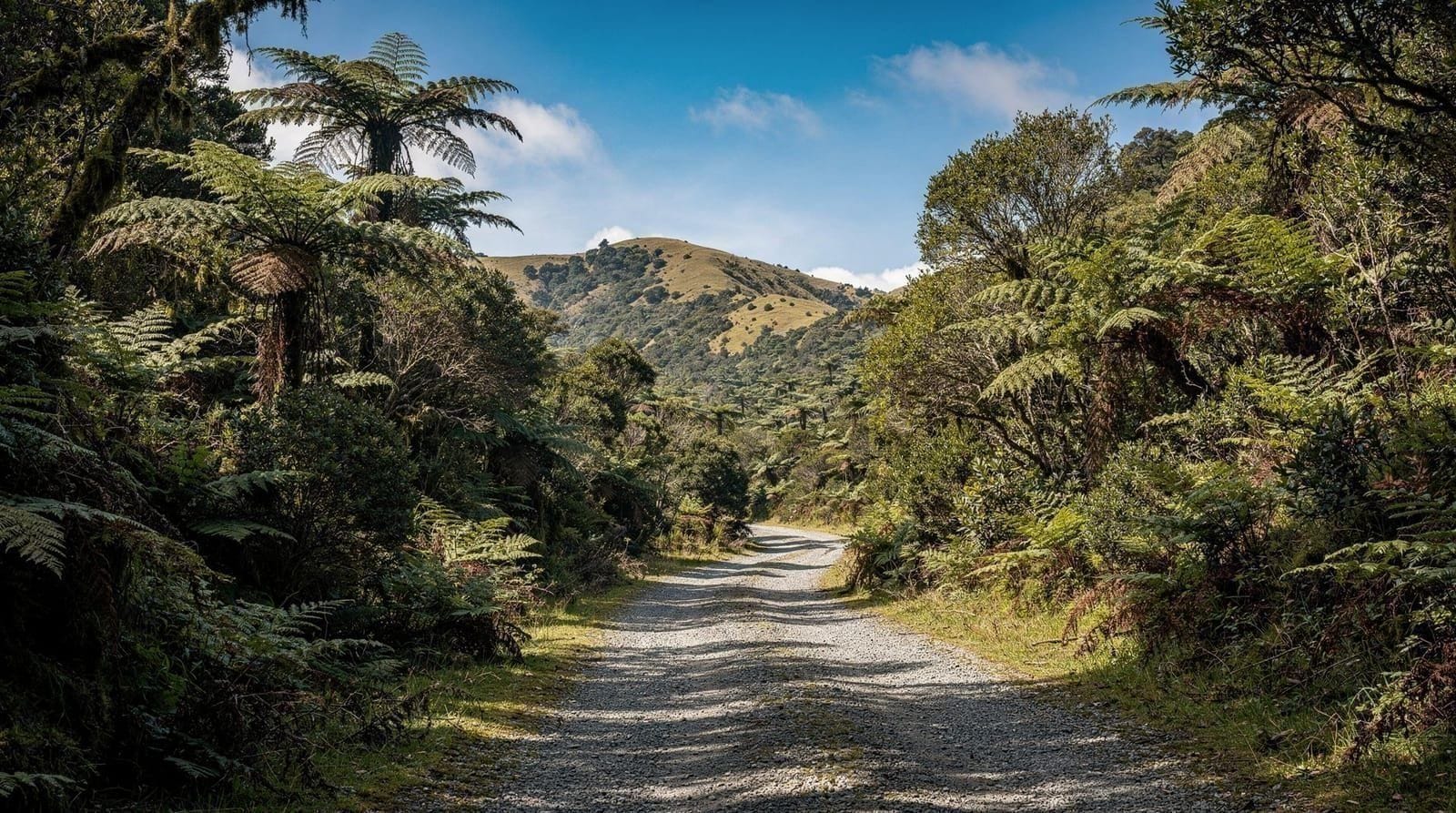
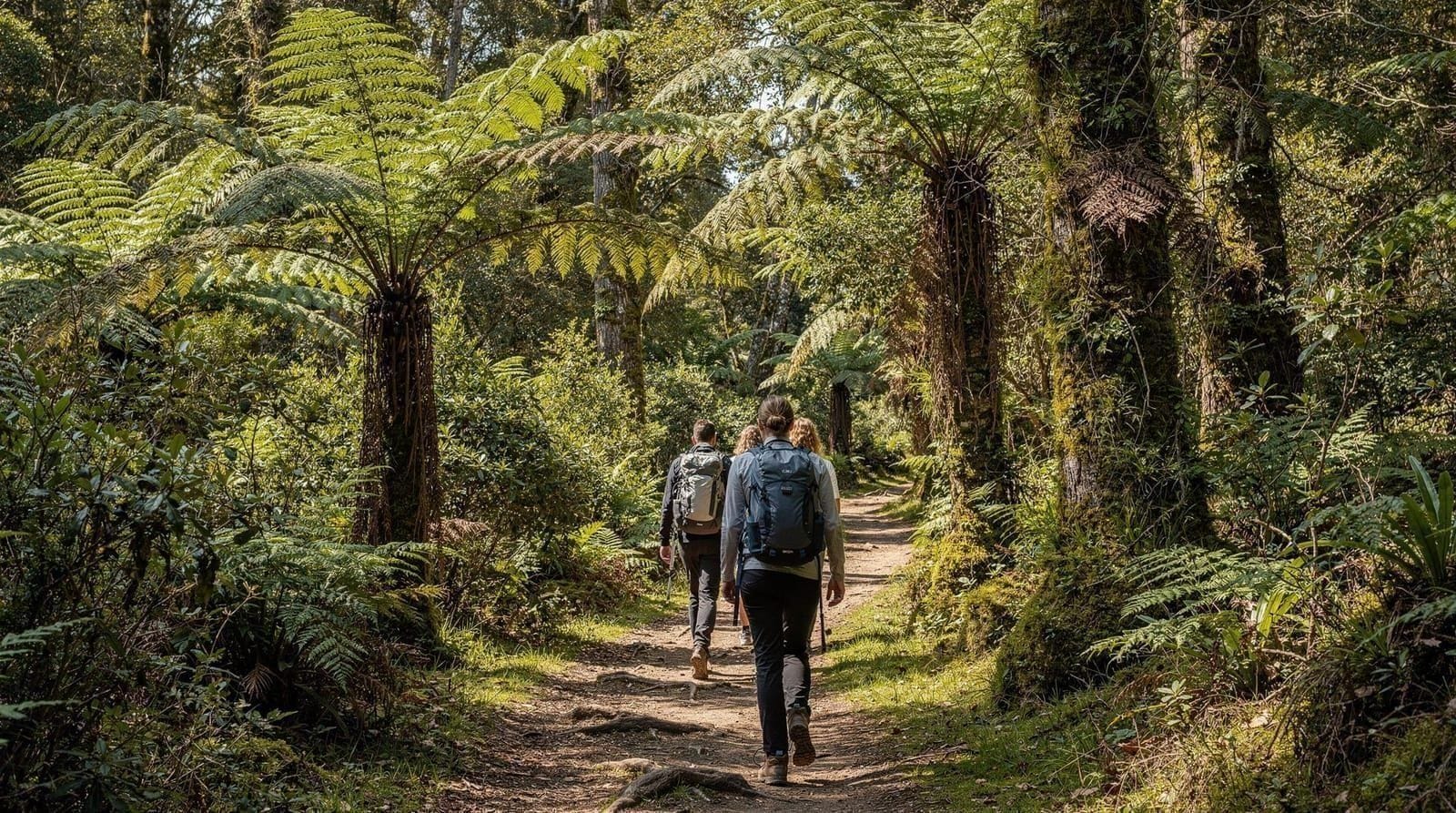
The Remutaka Rail Trail is the standout feature of Remutaka Forest Park, following the exact route of a 19th-century railway line decommissioned in 1955 when a road tunnel replaced the old rail crossing over the range. What’s left is an 18 km, gently graded corridor through native bush between Kaitoke, near the Hutt Valley, and Cross Creek, near Featherston on the Wairarapa side — genuinely one of the more approachable cycling routes in the wider Wellington region, precisely because railways were built to consistent, gentle gradients rather than the steep, technical terrain most local mountain-biking trails demand.
| Where | Between Kaitoke (Hutt Valley) and Cross Creek (Wairarapa) |
| Distance | 18km one-way |
| Cost | Free independently; guided tours from around NZD 129-150pp |
| Time needed | 2-3hrs cycling, 5-6hrs walking one-way |
| Getting there | Car via SH2 (Kaitoke) or the Remutaka Hill road (Cross Creek) |
Distance and difficulty
At roughly 18 km one-way, the trail is a comfortable half-day ride for most cyclists, typically completed in 2-3 hours at an easy pace. The surface is well-formed gravel throughout, flat or gently graded with only the historic Cross Creek incline offering any sustained climb, and that section was specifically engineered for steam locomotives rather than modern mountain-bike technicality — meaning even that “steep” stretch by rail-trail standards is genuinely manageable for casual riders. Walkers can do the full distance too, though it’s a considerably longer undertaking on foot — budget 5-6 hours for the complete one-way walk.
The historic incline and Siberia Tunnel
Partway along the route, the Cross Creek incline marks one of the steepest sustained railway grades ever operated in New Zealand, historically climbed using rare Fell locomotives with a central third rail for extra traction — one of only a handful of Fell railway installations that ever existed worldwide. A little further on, the Siberia Tunnel offers a short, atmospheric bore through solid rock, one of the trail’s more memorable features and a popular photo stop for riders and walkers alike. Interpretive panels along the route explain both features in more detail for anyone curious about the engineering history behind what otherwise reads as a simple gravel path.
Riding one-way vs out-and-back
The trail is genuinely better experienced as a one-way ride rather than an out-and-back, since covering new ground the whole way beats retracing the same 18 km twice. This is where guided tours earn their value: the Remutaka Rail Trail mountain bike explorer tour covers the full one-way route with a guide and bike hire included, along with transport back to the starting point — removing the logistical headache of arranging your own shuttle between two trailheads roughly 18 km apart by road as well as by trail.
E-bike options
For visitors wanting an easier ride, or simply less time in the saddle, the Remutaka Rail Trail e-bike tour runs the same one-way route with electric-assist bikes, a genuinely popular choice given the trail’s length and the modest but real climb through the historic incline section. It’s priced from around NZ$141 for the roughly six-hour experience including transport, making it a reasonable middle ground between a fully independent ride and a standard guided tour. Cruise-ship passengers docking in Wellington for the day have a dedicated option too: the Remutaka Rail Trail e-bike shore excursion , priced from around NZ$129, is built specifically around the tighter time window of a port call.
Riding independently
Cyclists with their own bikes and a shuttle arranged (a second car, a friend, or a local shuttle operator) can simply drive to either end and ride the full one-way distance without a guide. This suits confident, self-sufficient riders comfortable navigating an unfamiliar trail without commentary, though the logistics of coordinating a two-car shuttle across roughly an hour of driving between the Hutt Valley and Wairarapa sides make a guided option genuinely more convenient for many visitors, particularly those without a rental car available at both ends of the trail.
Guided, e-bike or independent: comparing your options
| Option | Approx. cost | Best for |
|---|---|---|
| Independent (own bike + shuttle) | Free (plus shuttle/petrol) | Confident, self-sufficient riders |
| Guided mountain bike tour | From ~NZD 150pp | Visitors without bikes or transport logistics |
| E-bike tour | From ~NZD 141pp | Easier ride, less time in the saddle |
| Cruise-ship e-bike shore excursion | From ~NZD 129pp | Port-call visitors on a tight time window |
Facilities and toilets along the way
Unlike a fully serviced trail, the Remutaka Rail Trail has minimal facilities along its 18km length — a basic toilet near the Cross Creek end and another at the Kaitoke trailhead, but nothing in between. There are no shops, cafés or water refill points on the route itself, so carry everything you need for the full crossing rather than assuming a stop partway through. This is a meaningful difference from some of New Zealand’s more developed Great Rides, and worth planning around rather than discovering partway along the trail.
Getting to the Kaitoke trailhead
The Hutt Valley end, closer to Wellington, is reached via State Highway 2 through Upper Hutt, about 40 minutes’ drive from the central city. There’s no direct train service to the trailhead itself, so a car, tour transfer, or taxi from the nearest train station is the practical way in. The Wairarapa end, near Featherston, is reached via Martinborough or directly over the Remutaka Hill road, roughly an hour from Wellington.
What to bring
Water and snacks, since there are no shops or cafés directly on the trail itself; a rain layer regardless of how clear the day looks, since conditions in the ranges can shift quickly even when the Hutt Valley below looks settled; and a basic repair kit if riding independently rather than on a guided tour where support is typically provided.
Best time of year
The trail’s largely forested, sheltered route makes it a reasonably good year-round option compared with more exposed rides in the region, though winter (June-August) brings mud and standing water to some sections after heavy rain. Spring through autumn (September-May) generally offers the most reliable riding conditions.
Combining with a Hutt Valley day out
Given its Kaitoke-side proximity to the Hutt Valley, the rail trail pairs naturally with a broader Hutt Valley day trip taking in Lower Hutt and Petone as well, making efficient use of the drive out from central Wellington rather than treating the trail as an isolated outing. Riders wanting the full Wairarapa side of the experience might instead pair it with a stop in Martinborough on the way through.
How it compares to Wellington’s other trails
Compared with the technical single-track at Mount Victoria or Makara Peak, the Remutaka Rail Trail is a fundamentally different kind of ride — longer, flatter, and built around scenery and historical interest rather than technical challenge. It’s the better choice for families, casual riders, or anyone wanting a genuinely relaxed day on two wheels rather than a demanding trail session.
Is it worth the trip?
For a scenic, historically interesting ride that doesn’t demand serious cycling fitness or technical skill, yes — the trail’s gentle grade and genuine points of interest (the Fell incline, the Siberia Tunnel) make it one of the more distinctive rides available within an hour of Wellington. It particularly suits families, casual riders, and anyone wanting a half-day outing without a demanding climb, though committed mountain bikers seeking technical single-track will find better terrain at Makara Peak.
What makes this trail different from a standard mountain-biking trail
Unlike almost every other cycling destination covered in this guide, the Remutaka Rail Trail wasn’t designed for mountain biking at all — it was a working railway, and that heritage shows in every metre of gentle, consistent grade. This makes it a genuinely different proposition from Makara Peak’s purpose-built technical trails or Mount Victoria’s single-track network: there’s no technical skill required here, just the stamina to cover 18 km, making it accessible to a considerably wider range of riders than either of the region’s dedicated bike parks.
A closer look at the historic sites along the way
Beyond the Fell incline and Siberia Tunnel already covered, the trail passes several smaller points of historic interest — old railway cuttings, remnant infrastructure from the line’s operational decades, and interpretive signage explaining the broader story of how this railway connected Wellington to the Wairarapa before the modern road tunnel made it obsolete. Riders with a genuine interest in New Zealand’s railway history could easily spend extra time at each of these stops rather than treating the trail purely as a cycling route.
Combining a rail-trail ride with a Wairarapa wine stop
For visitors finishing the ride at the Cross Creek end, near Featherston, continuing on to Martinborough for a wine tasting is a natural extension of the day, provided the timing works — most riders finish the trail by early-to-mid afternoon, leaving a reasonable window for a tasting stop before heading back to Wellington. This pairing works considerably better logistically than trying to combine Martinborough with the more remote Cape Palliser route on the same day.
What past riders say about timing the crossing
Riders who’ve done the trail multiple times generally recommend starting from the Kaitoke end in the morning, since the Wairarapa side (Cross Creek) tends to warm up more with direct sun exposure by early afternoon, making a Kaitoke-to-Cross-Creek direction more comfortable than the reverse on a hot summer day. In cooler months, this consideration matters less, and either direction works equally well.
The broader Remutaka Cycle Trail network
The rail trail itself forms part of a larger regional cycling network connecting through to other Wairarapa and Hutt Valley routes, meaning ambitious cyclists with more than a single day available can extend well beyond the core 18 km rail trail into a multi-day regional cycling itinerary. Most day-trip visitors won’t need this broader context, but it’s worth knowing the rail trail isn’t an isolated route — it connects into a wider, still-developing regional cycling network that New Zealand’s Great Rides programme has increasingly promoted in recent years.
What to do with your car if riding one way independently
For independent riders without a tour handling logistics, one practical solution to the one-way shuttle problem is leaving a car at the Cross Creek end (near Featherston) and taking a taxi or arranged transfer to the Kaitoke start, riding back to where the car is parked rather than needing a second vehicle entirely. This single-car approach requires only one paid transfer rather than coordinating two vehicles and drivers, a genuinely practical workaround for solo riders or couples without a second car available.
Seasonal wildflowers and native bush along the route
Spring (September-November) brings a noticeable flush of native bush growth and occasional wildflowers along the forested sections of the trail, a pleasant seasonal bonus for riders who’ve done the trail before in a different season and want to see how the surrounding bush changes through the year. Bird activity, particularly bellbird and tūī song, also tends to be more prominent through spring than the quieter winter months, adding another reason some repeat visitors specifically time a return trip for this season.
Families and less confident cyclists
The trail’s gentle, consistent grade makes it genuinely more approachable for families than most Wellington-region cycling routes, but the full 18km one-way distance is still a real undertaking for younger or less confident riders. Families without a shuttle arranged, or with young children, generally do better choosing a shorter out-and-back stretch from the Kaitoke end covering the Siberia Tunnel, rather than committing to the full crossing. An e-bike tour is also worth considering for a mixed-ability group, since it evens out the effort required between stronger and weaker riders without anyone needing to wait for the rest of the group at every rise.
Frequently asked questions about Remutaka Rail Trail guide
Is the Remutaka Rail Trail suitable for beginners?
Yes — the trail follows a former railway grade, so it's gentle and consistently graded with minimal steep sections, unlike most Wellington-region mountain-biking trails. It suits families and casual cyclists as well as more experienced riders looking for an easier day out.Do you need to arrange a shuttle for a one-way ride?
If riding independently with your own bike, yes — since the trail runs point-to-point rather than as a loop, you'll need a car shuttle or a pre-arranged pickup at the far end. Guided tours generally include transport for the return leg as part of the package.How do you get to the Kaitoke end from Wellington?
It's about 40 minutes' drive from central Wellington via State Highway 2 through the Hutt Valley. There's no direct train service to the trailhead itself, so a car or a tour transfer is the practical option.Can you do the Remutaka Rail Trail on an e-bike?
Yes, and e-bike tours are a popular choice for visitors wanting an easier ride, particularly through the historic incline section, without needing serious cycling fitness to cover the full 18 km one-way distance.Is the trail open to walkers as well as cyclists?
Yes, entirely — the whole route is open access for walking as well as cycling, though most visitors choose to cycle given the distance involved and the reasonably long walking time for a full one-way traverse.Are there toilets or shops along the Remutaka Rail Trail?
There's a basic toilet near each trailhead (Kaitoke and Cross Creek), but nothing in between — no shops, cafés or water refill points along the 18km route. Carry all the water and food you'll need for the full crossing.Is a family with young children able to ride the full trail?
The full 18km one-way distance is a real undertaking for young or inexperienced riders, even with the gentle grade. Most families do better with a shorter out-and-back from the Kaitoke end covering the Siberia Tunnel, or an e-bike tour to even out the effort across a mixed-ability group.
Top experiences
Bookable activities with verified prices and instant confirmation on GetYourGuide.