Wellington in autumn
Why is autumn considered the best time to visit Wellington?
March to May combines summer-like daytime temperatures (18-25°C) with fewer crowds, accommodation prices roughly 20-30% below the summer peak, and the Wellington Botanic Garden's most colourful foliage of the year. It also coincides with the Martinborough grape harvest, making it the strongest single window for a wine-focused trip.
The season locals recommend first
Ask a Wellingtonian when to visit and most will say autumn without hesitating — roughly March through May in the southern hemisphere calendar. It’s the quiet compromise between summer’s crowds and winter’s storms: daytime temperatures still commonly reach 18-25°C well into April, rainfall is close to its yearly low, and the wind that defines every other season here finally settles into something closer to background noise than a daily obstacle. It doesn’t get marketed as heavily as summer, which is part of why it stays comparatively uncrowded even in peak foliage weeks.
| Temperature | 18–25°C (Mar), 16–22°C (Apr), 8–14°C evenings (May) |
| Rainfall | Close to the yearly low |
| Prices | 20–30% below summer peak |
| Best month | April, for foliage + mild weather + harvest window |
| Book ahead | 4–6 weeks; 2–3 weeks for the Martinborough harvest festival |
What the weather does across the three months
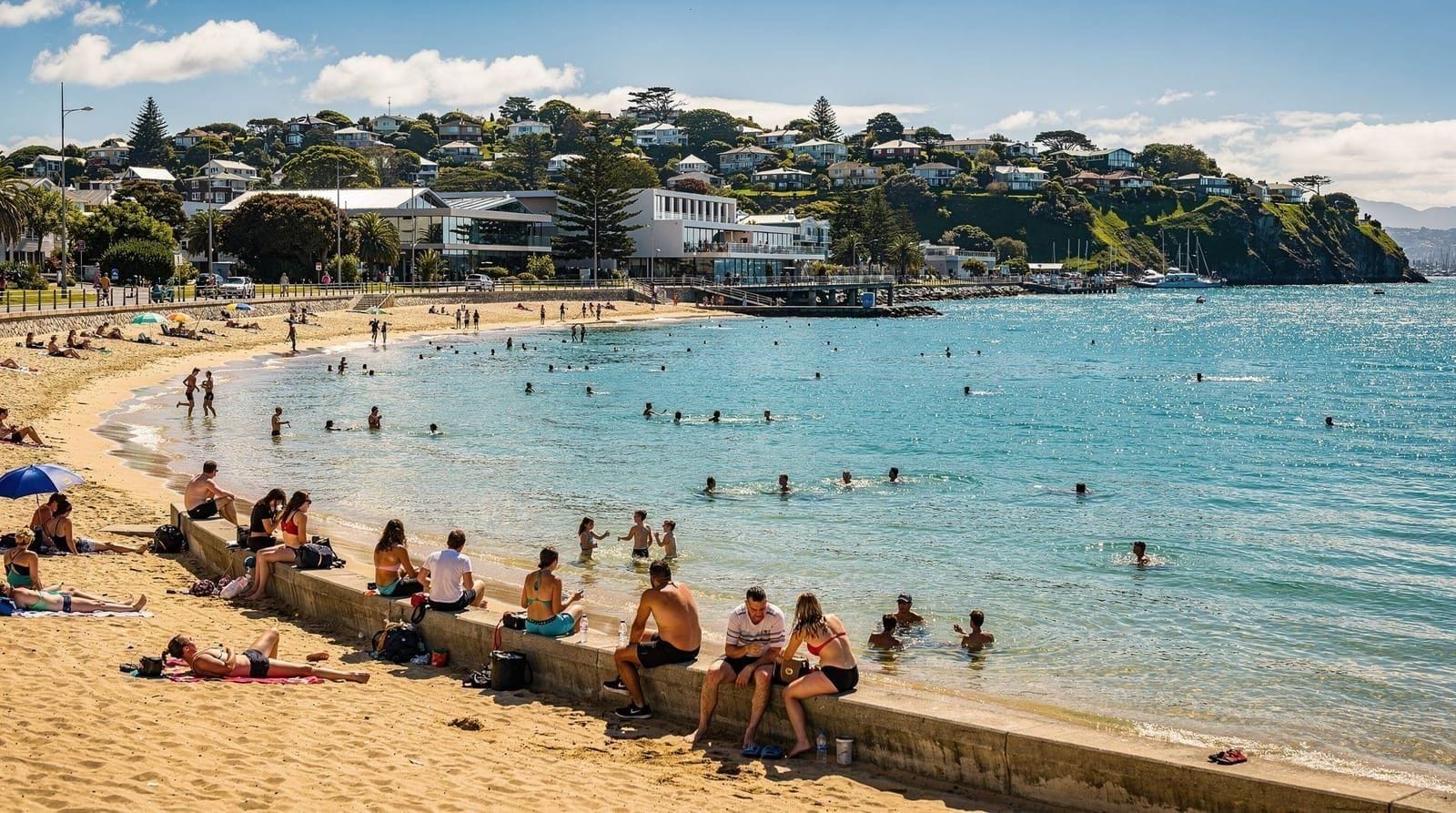
March often still feels like a continuation of summer, with warm, settled days and only a gradual cooling as the month progresses; daytime highs commonly sit in the low-to-mid 20s°C and the harbour water is still warm enough for a comfortable swim off Oriental Bay well into the month. April is the classic autumn month — crisp mornings, mild afternoons, and the clearest run of stable high-pressure weather Wellington gets outside of a good summer week, with daytime temperatures typically 16-22°C and noticeably less day-to-day variability than any other month.
May starts to turn, with noticeably shorter days, cooler evenings around 8-14°C, morning fog more common in the hills around Karori and Kelburn, and the first real hints of the wind and rain that define winter creeping in toward the month’s end. If you want the most reliably mild version of autumn, March and April are the stronger bet; May rewards those chasing the best foliage and lower prices over guaranteed warmth, and it’s also the cheapest of the three autumn months for accommodation since it borders directly on the low winter season.
Day length shrinks steadily across the season — from roughly 12.5 hours in early March down to around 9.5 hours by the end of May — which matters more for trip planning than it sounds. An April day trip to Martinborough that felt unhurried in a long summer daylight window needs a slightly earlier start by May if you want to be back in Wellington before dark, particularly if you’re driving the Remutaka Range road yourself rather than joining a tour.
Why prices drop
Autumn sits just past the summer peak and just before the truly low winter season, which means accommodation across hostels, hotels and Airbnb listings typically runs 20-30% below summer rates without the deeper 30-40% winter discounts that come with correspondingly worse weather. It’s a genuine sweet spot: a mid-range Airbnb running NZ$180-220/night in peak January commonly drops to NZ$120-160/night by April, for weather that’s barely different day to day. Restaurant and tour availability also loosens up — walk-in tables on Cuba Street become realistic again on a Friday night, and popular experiences rarely sell out weeks in advance the way they can over the Christmas period. Our realistic Wellington trip budget guide breaks down exactly how much a typical autumn week costs against the other seasons in dollar terms.
The Botanic Garden’s best month
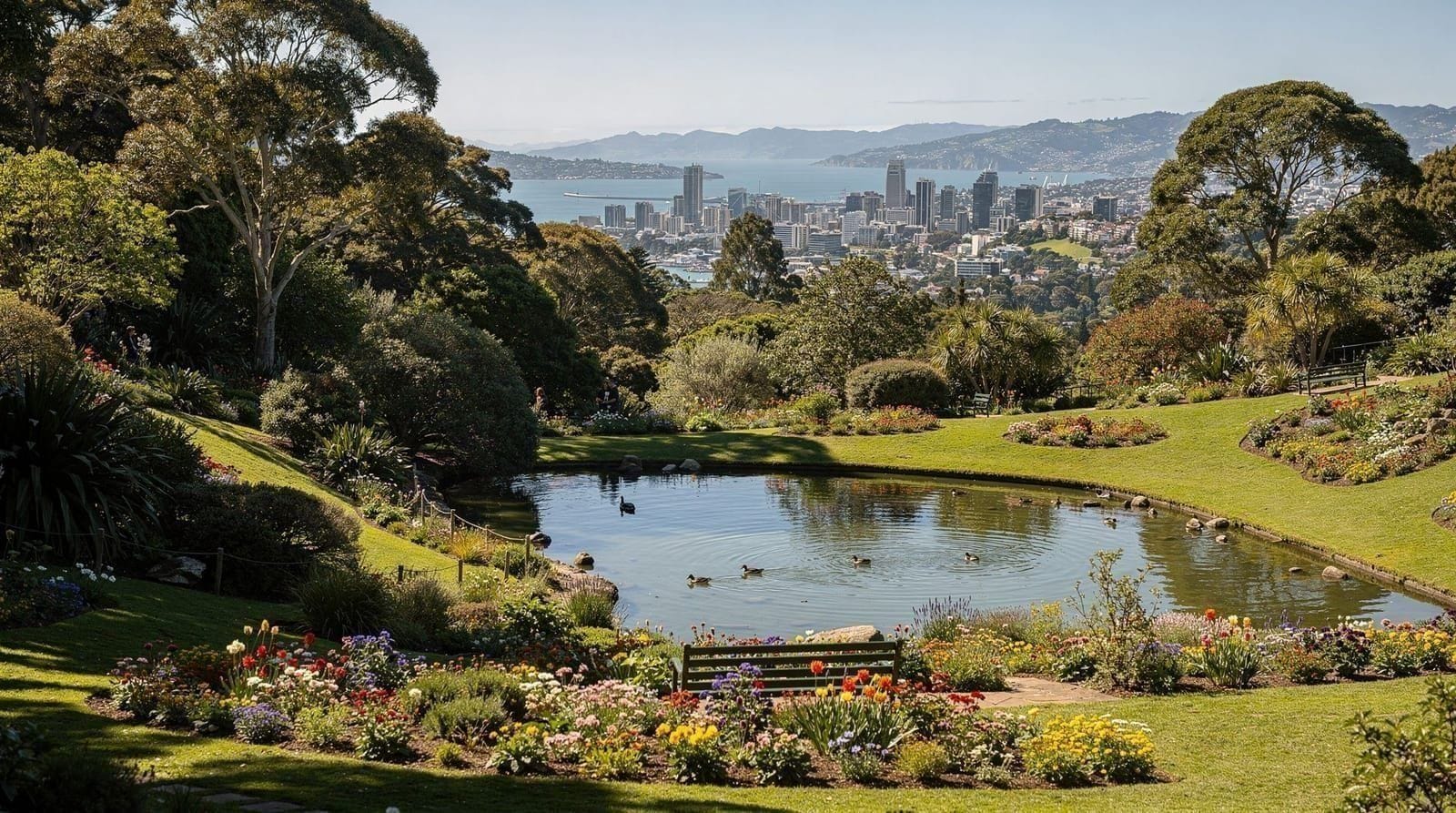
If there’s one single reason to time a trip for autumn, it’s the Wellington Botanic Garden. The Garden’s deciduous collections — oaks, maples and the well-known Autumn Border near the Founders Entrance — turn through a run of reds, oranges and golds typically peaking in April, a display that draws local photographers back every year and one that summer or winter visitors simply never see. Our Wellington Botanic Garden guide covers the best paths for catching the colour change, and the walk up combines naturally with the cable car for a half-day that needs no other planning.
The Martinborough harvest window
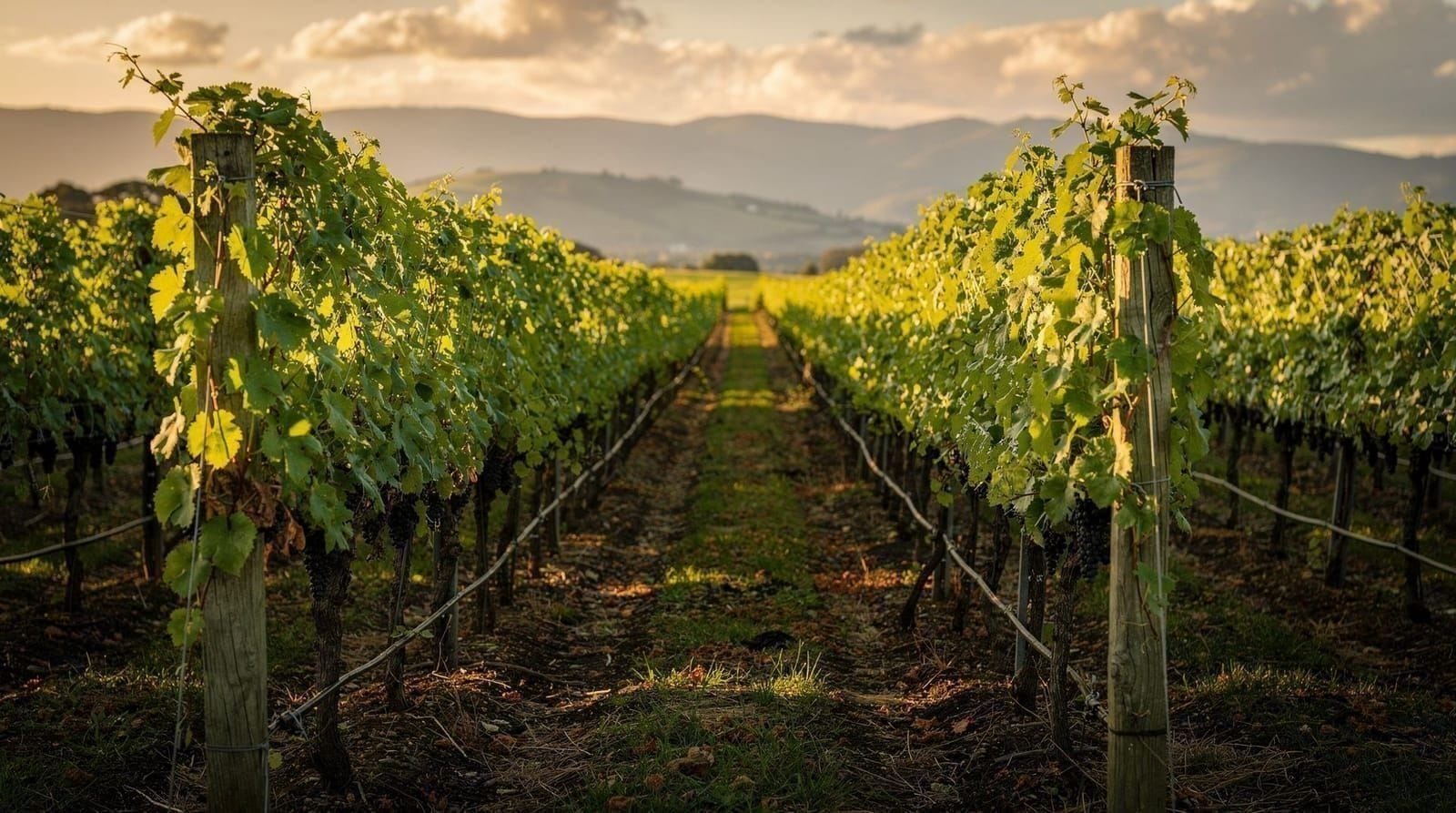
Autumn is also when Martinborough’s wine region does its actual work. The pinot noir and sauvignon blanc harvest typically runs from mid-March into April depending on the season, and the town’s harvest festival draws crowds specifically for it — see our Martinborough harvest season guide for exact timing and what to expect at cellar doors during picking season. This is the one period where visiting during the “work,” not just the tasting, adds something summer cellar-door visits can’t — some wineries run harvest-specific tours and tastings that aren’t available the rest of the year. Our Martinborough wine guide covers the wider region for travellers building a full day trip around it.
For a guided day that removes the designated-driver problem entirely, this Martinborough winery tour is worth booking specifically for an autumn date, when cellar doors are at their most active and the countryside itself is at its most photogenic.
Autumn month by month at a glance
| Month | Daytime temps | What stands out |
|---|---|---|
| March | 20s°C, warm | Still summer-like; Oriental Bay swimmable |
| April | 16–22°C | Best foliage, most stable weather, harvest peak |
| May | 8–14°C evenings | Cheapest month; first hints of winter wind and rain |
Wellington’s other autumn strengths
Cuba Street and the wider café scene stay just as lively in autumn as summer, with the added benefit of thinner queues — our Wellington coffee capital guide and craft-beer trail guide are worth reading with autumn specifically in mind, since several venues that feel packed in January have easy walk-in space in April. Zealandia also benefits from the cooler, stiller autumn evenings for its guided night tours, when bird activity in the reserve tends to be more concentrated than during the longer, brighter summer evenings.
Indoor attractions get an unfair reputation as fallback options, but autumn is genuinely a good season to prioritise them without feeling like you’re wasting good weather. Te Papa, free and consistently excellent regardless of season, works especially well on the handful of cooler or overcast autumn afternoons that do turn up, and the museum’s earthquake and natural history exhibits pair naturally with an autumn visit given how directly they cover the geological forces shaping the city around you. Wellington’s cafés also lean into the season on the menu side — expect more soups, slow-roasted dishes and seasonal produce from the Wairarapa and Hutt Valley showing up on specials boards than in the lighter summer menus.
Neighbourhood notes for autumn
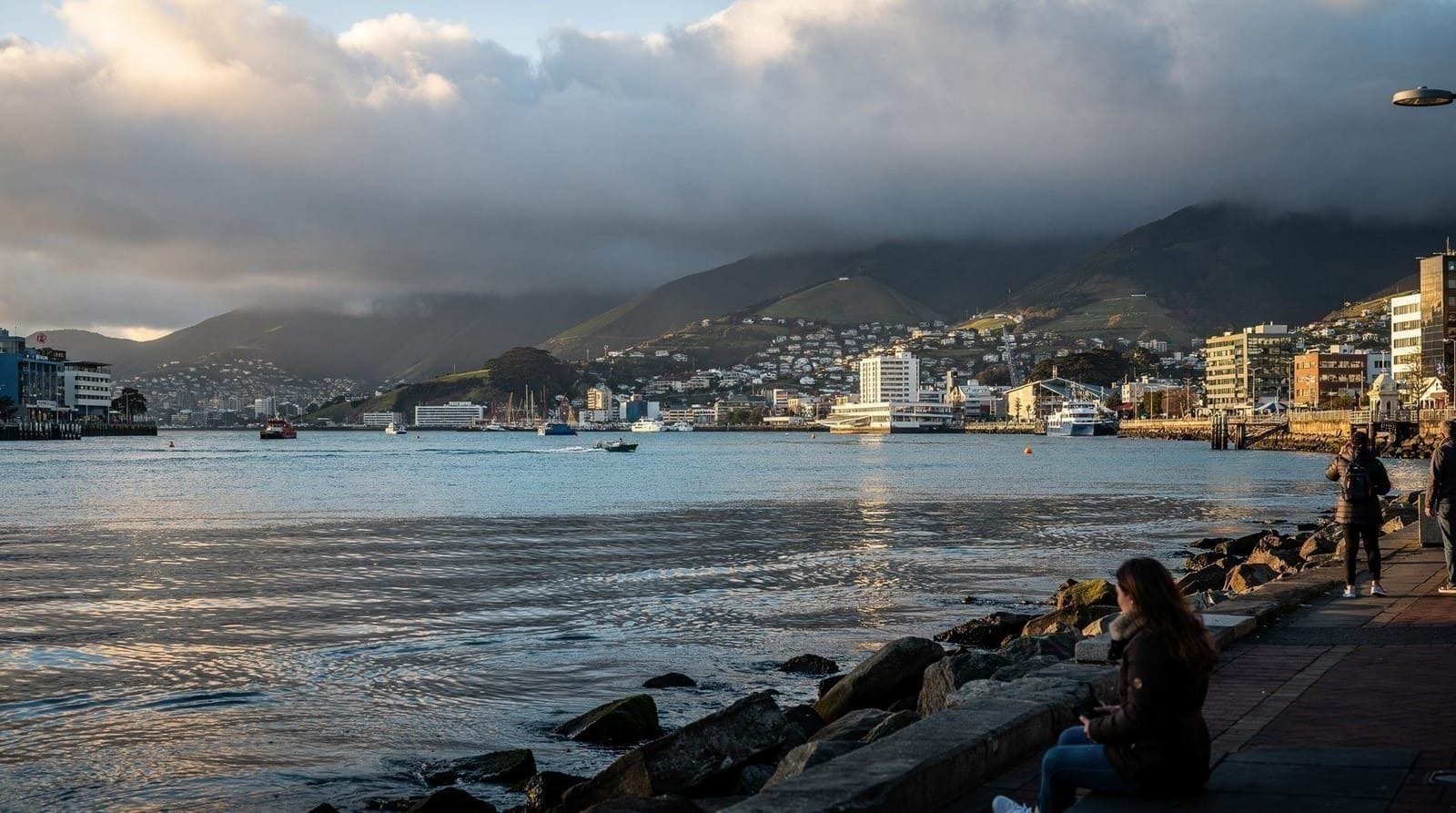
Kelburn and the hills around the Botanic Garden are unambiguously the best part of the city to be in during autumn, given the foliage, but they’re not the only neighbourhood worth adjusting your itinerary for. Cuba Street and Te Aro keep their year-round energy but with noticeably more table availability at peak dinner times, making autumn a good season to try a booking-only restaurant on short notice. The waterfront loses some of its swimming appeal as the water cools through April and May, but gains a quieter, more contemplative character for a harbour walk, especially at golden hour when the autumn light sits lower and warmer than the harsher overhead summer sun. Miramar and the Weta Workshop district run at their usual pace regardless of season, since most of what’s on offer there is indoors.
Views and photography
Autumn’s clearer, calmer air produces some of the best conditions of the year for Wellington’s harbour views. Our best views in Wellington guide and Mount Victoria lookout guide are worth timing for a clear autumn afternoon rather than a windy spring one — visibility across the harbour to the South Island’s coastline on an exceptionally clear day is more common in the settled high-pressure systems that autumn tends to bring than in any other season.
Day trips beyond Martinborough
Martinborough gets top billing in autumn for the harvest, but the wider region holds up well too. The Kāpiti Coast is quieter in autumn than summer but the weather is still generally cooperative for a day trip north, and Kāpiti Island’s guided nature tours run their standard schedule without the summer booking pressure. If a South Island leg via the Cook Strait ferry is part of your plans, autumn is a reasonable compromise crossing season — calmer than winter, cheaper and less booked-out than summer — though Cook Strait can still deliver a rough afternoon on any given sailing regardless of season, so it’s worth reading our Cook Strait ferry booking pitfalls guide before locking in a specific date and sailing time.
What to pack
Layer for a 10-15°C temperature swing across a single day: a light jacket for cool mornings and evenings, short sleeves for the still-warm early-autumn afternoons, and a compact rain shell for the odd shower that becomes more frequent as May approaches. The wind is milder than in spring or winter but hasn’t disappeared entirely, so a windproof outer layer remains a sensible inclusion rather than an optional extra.
Booking timeline
Autumn’s lighter demand means four to six weeks ahead is usually plenty for a good range of accommodation, even in April when the Botanic Garden and Martinborough harvest both draw extra visitors. Popular restaurants rarely need more than a few days’ notice for a weekend table, a marked contrast to the weeks-ahead planning that summer’s Christmas fortnight demands. The one exception is the Martinborough harvest festival weekend itself, which does draw a genuine local crowd and is worth booking accommodation and any winery tastings for two to three weeks out rather than leaving to the week of.
A realistic autumn budget
Because autumn sits between summer’s peak and winter’s trough, it’s the season where a mid-range daily budget is easiest to estimate without excessive padding for surge pricing. A reasonable day-to-day figure for a couple travelling mid-range — decent but not luxury accommodation, two casual meals and one sit-down dinner, plus local transport — runs roughly NZ$280-350/day, noticeably below the NZ$350-450/day a comparable summer trip can reach once Christmas-period surcharges are factored in. Add a Martinborough day trip (tastings NZ$5-10 per cellar door, lunch NZ$20-40 per person) or a Zealandia guided walk (NZ$55 adult) and the daily average climbs only modestly, since autumn’s baseline accommodation cost is doing most of the saving. Our realistic Wellington trip budget guide breaks this down further across all four seasons with exact line items.
Getting around in autumn
Metlink’s bus and train network runs its standard full-year timetable through autumn, without the reduced holiday schedules that affect summer’s Christmas period, which makes autumn one of the more predictable seasons for relying entirely on public transport rather than a rental car. The Kāpiti and Wairarapa train lines both run their usual weekday and weekend timetables, useful if you’re doing a Martinborough or Kāpiti day trip without driving. Walking remains the best way to cover the CBD regardless of season, and autumn’s milder temperatures make longer walks — say, from the waterfront up to Mount Victoria and back — more comfortable than the exposed midsummer sun or a winter downpour.
Who autumn suits best
Autumn suits travellers who want summer-adjacent weather without summer prices or crowds, wine-focused visitors timing a trip around the Martinborough harvest, and photographers chasing the Botanic Garden’s foliage. It’s a slightly weaker fit only for visitors who specifically want the longest possible daylight hours or the guaranteed-warm ocean swimming that summer’s Oriental Bay beach delivers — our Wellington in summer guide covers that trade-off directly if warm-water swimming matters to your trip.
How autumn compares to the rest of the year
Autumn beats summer on price and crowding while losing very little on weather until deep into May, and it beats both winter and spring on reliability — spring’s wind and winter’s rain are both more disruptive to an outdoor-heavy itinerary than anything autumn typically throws at visitors. If your travel dates are flexible at all, this is the season this site consistently steers first-time visitors toward. Our Wellington in winter guide is the next stop if budget outweighs weather in your decision, and our Wellington festivals and events calendar rounds out what’s actually happening city-wide across the full year.
A realistic three-day autumn itinerary
A well-paced autumn visit might run: day one in the CBD covering Te Papa, the cable car and Botanic Garden foliage walk, with dinner on Cuba Street; day two split between Zealandia in the morning and Mount Victoria at golden hour; day three as a full-day Martinborough trip timed for harvest season if your dates land in late March or April. Our Wellington in 2 days itinerary covers the city-only version of days one and two in more detail if a wine day trip isn’t part of your plan.
Autumn festivals worth checking
A handful of Wellington’s smaller events land inside the autumn window alongside the Martinborough harvest festival, and it’s worth a quick check against our festivals and events calendar before finalising travel dates, since a festival landing inside an already cheap autumn month is easy to absorb into a trip without the accommodation pressure a summer or WOW-season festival would add.
Comparing autumn to spring
Autumn and spring bookend Wellington’s summer at similar price points, but they suit different priorities. Autumn’s high-pressure systems tend to hold steadier for days at a time, while spring’s equivalent stretches are more often broken up by wind — our Wellington in spring guide covers the trade-off in more depth if you’re deciding between the two shoulder seasons rather than assuming autumn is the automatic choice.
Frequently asked questions about Wellington in autumn
Is autumn really Wellington’s best season?
For most visitors, yes — it combines summer-like daytime temperatures through March and much of April with meaningfully lower prices and thinner crowds, plus the Botanic Garden’s best foliage and the Martinborough wine harvest. The main trade-off is shorter days and a cooling trend from mid-May, when it starts to shade into winter conditions.
When exactly does the Botanic Garden’s autumn colour peak?
Typically in April, though the exact peak shifts by a week or two year to year depending on rainfall and temperature earlier in the season. Visiting anywhere from early April to early May usually catches at least a good portion of the colour change.
Is March too early to count as autumn in Wellington?
March is a genuine transition month — often still warm enough to feel like a continuation of summer, with autumn’s cooling and foliage change becoming more obvious as the month goes on. Travellers wanting classic autumn colour and cooler air should lean toward April; those wanting the most reliable warmth should book March.
How much cheaper is autumn than summer?
Accommodation typically runs 20-30% below summer peak rates, without the deeper discounts — or correspondingly worse weather — that come with a winter booking. It’s a genuine middle ground on both price and comfort.
Does autumn overlap with the Martinborough wine harvest?
Yes — the harvest typically runs mid-March into April, and Martinborough’s harvest festival is timed around it. It’s the single best window on the calendar for a wine-focused day trip from Wellington, ahead of both the earlier cellar-door-only summer season and the dormant vines of winter.
Is autumn a good time for the Cook Strait ferry crossing to the South Island?
It’s a reasonable middle ground — generally calmer than winter’s storm-affected sailings and less booked-out than the summer peak — but Cook Strait’s crossing conditions can still turn rough on any given day regardless of season, so treat autumn as “better odds,” not a guarantee of a smooth sailing.
How many days of rain should I expect on an autumn trip?
Typically two or three days with meaningful rain across a two-week autumn stay in March or April, rising slightly by May as the season turns toward winter. It’s rarely enough to derail an itinerary built with at least one flexible or indoor-friendly day, such as Te Papa or the Weta Workshop.
Is autumn too quiet for nightlife on Cuba Street or Courtenay Place?
No — the bar and restaurant scene runs at essentially the same energy as summer, just with shorter queues and easier bookings. The only real seasonal shift is that outdoor footpath seating thins out a little earlier in the evening as temperatures drop after dark, particularly by May.
Which single month of autumn should I pick if I can only choose one?
April, for most travellers — it holds onto mild, settled weather while delivering the Botanic Garden’s peak foliage and generally landing inside the Martinborough harvest window, all at a lower price point than March. March suits those prioritising warmth above all else; May suits those chasing the very lowest prices and willing to accept a higher chance of an early taste of winter weather.
Is autumn a good time to visit Zealandia?
Yes, particularly for the guided night tours — cooler, stiller autumn evenings tend to concentrate bird activity more noticeably than the longer, brighter summer evenings, and daytime visits benefit from the same thinner crowds affecting the rest of the city in autumn.
Do I need to book Weta Workshop or Zealandia further ahead in autumn?
No — autumn’s lighter overall demand means both are easier to book on shorter notice than during the December-February peak, though weekend slots still benefit from a few days’ notice rather than assuming same-day availability.