Wellington harbour seal colony guide
Wild Wellington: Seal Colony Half-Day Tour
Where can you see seals near Wellington?
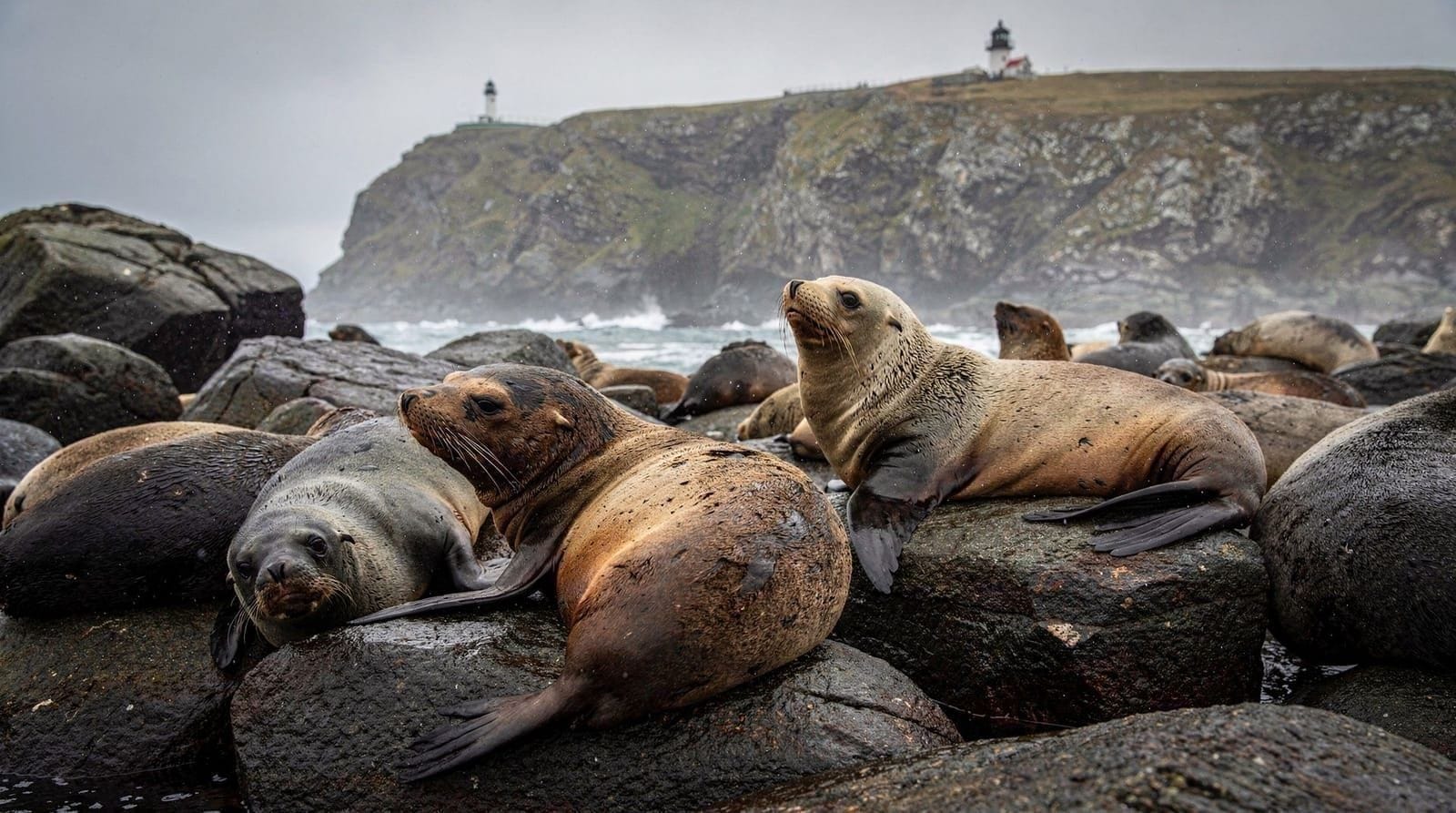
The main colony sits on the exposed south coast around Red Rocks and Sinclair Head, reached by a coastal walking track from Owhiro Bay or by guided 4WD and walking tours. Winter (roughly May to October) brings the largest numbers as bull seals haul out ahead of the breeding season.
Wild seals on Wellington’s exposed south coast
Few visitors expect a genuine fur seal colony within a 20-minute drive of Wellington’s CBD, but the city’s rugged, wind-battered south coast — facing directly into Cook Strait between the North and South Islands — hosts a resident population of New Zealand fur seals hauled out on the rocks around Red Rocks and Sinclair Head. It’s a striking contrast to the compact, sheltered harbour most visitors associate with the city: this stretch of coast is exposed, weather-beaten and genuinely wild-feeling, a short trip from cafés and cable cars.
The colony is entirely wild and unmanaged in the way a zoo enclosure is — seals come and go seasonally, numbers vary considerably through the year, and there’s no guarantee of a sighting on any given visit, though the odds are generally favourable, particularly outside summer.
| Where | Red Rocks / Sinclair Head, via Owhiro Bay |
| Cost | Free to walk independently; guided tours around NZ$90–150/person |
| Time needed | 1.5–2 hours return on foot; half-day for a guided tour |
| Getting there | ~15 min drive from the CBD to Owhiro Bay |
| Best time | Winter (May–October) for the largest numbers |
Why this coastline is called Red Rocks
The site takes its English name from the distinctive reddish iron-oxide staining visible on rocks along parts of the shoreline, a striking contrast against the otherwise grey-black volcanic and sedimentary rock typical of this coast. In Māori tradition, the red colouring is associated with a story involving the explorer Kupe, who is said to have cut his hand at this spot, staining the rocks with his blood — a narrative that gives the site its Māori name, Pariwhero, meaning “red cliffs.” Whatever the geological or cultural explanation you find more compelling, the coloured rock formations are a genuinely distinctive feature of the walk in their own right, worth pausing for even setting the seal colony itself aside.
Getting to Red Rocks and Sinclair Head
The standard access point is Owhiro Bay, about 15 minutes’ drive southwest of the CBD, from where a flat, well-formed coastal track — following an old 4WD access road — runs along the shoreline to Sinclair Head, the colony’s usual haul-out point, roughly 45 minutes to an hour’s walk each way at a steady pace. The full return walk generally takes 1.5 to 2 hours including some time at the colony itself, though the track’s flat surface makes it accessible to most fitness levels.
The site’s real challenge isn’t the terrain but the wind and exposure — this stretch of coast catches Cook Strait’s weather directly, and conditions here are frequently more severe than a calm day in the sheltered Wellington waterfront would suggest. A windproof layer is worth carrying regardless of how the forecast looks from town.
Independent walking vs a guided tour: making the choice
For confident walkers comfortable navigating with a map or offline GPS track, the independent walk costs nothing beyond getting yourself to Owhiro Bay and delivers the same seal-viewing outcome as a guided tour at zero additional cost. What a guided option adds is genuine value beyond just transport: local knowledge of where seals are currently hauling out (locations shift somewhat through the season), the ecological and cultural context a good guide provides, and — for visitors without a car — a straightforward way to reach a site with no public transport connection. Weigh your own comfort with independent coastal walking against how much you value that added context and convenience before deciding which route suits your visit.
Guided tour options
For visitors without a car, or those who’d rather not manage the walk independently, the Wild Wellington seal colony half-day tour covers transport and a guided visit to the colony with commentary on the seals’ behaviour and the coastline’s ecology, typically combining a vehicle transfer with a shorter guided walk to the viewing area rather than the full independent walking route.
The Wellington half-day seal coast safari takes a broader approach, generally covering more of the wider south coast by 4WD vehicle alongside the seal colony stop, a good option for visitors wanting a fuller sense of this rugged, less-visited part of the city beyond the colony itself.
When to visit for the best numbers
Winter, roughly May through October, brings the largest gathering as bull seals haul out to establish territory ahead of the breeding season — a pattern that holds across most New Zealand fur seal colonies, including the larger one at Cape Palliser further around the coast. Numbers thin considerably over summer as seals disperse further out to sea to feed, so a winter visit is genuinely the better bet for a substantial sighting, even though it means braving Wellington’s wetter, windier season to get there.
Viewing etiquette and safety
Department of Conservation guidance asks visitors to stay at least 10 metres from any seal and to never position themselves between a seal and the water — fur seals can move considerably faster on land than their bulk suggests, and will bite defensively if they feel cornered or threatened, particularly bulls during the breeding season. The colony typically hauls out on rocks visible clearly from the track itself, so a respectful distance rarely means missing a good view; resist any temptation to approach closer for a better photo.
Photography and what to bring
A telephoto or zoom lens genuinely improves your results here, since the recommended 10-metre viewing distance means close-up shots without one will disappoint compared to what you might expect from photos you’ve seen online. Overcast days often flatter the scene better than harsh midday sun, softening the contrast between the dark volcanic rock and the seals’ fur, and an early start tends to coincide with calmer wind conditions before the coast’s notorious afternoon breeze picks up. Sturdy, closed footwear matters on the rocky sections of track, and layers are essential regardless of season, since this exposed stretch of coast rarely feels as mild as the sheltered CBD a short drive away.
Comparing to Cape Palliser
Wellington’s south coast colony is considerably more accessible than the larger colony at Cape Palliser, which requires a 1 hour 40 minute to 2-hour drive out through the Wairarapa. For visitors with limited time who still want a genuine wild seal encounter, the Red Rocks and Sinclair Head colony delivers a comparable experience within a fraction of the travel time, though Cape Palliser’s colony is generally larger and comes paired with its own lighthouse and remote coastal scenery worth the longer trip in its own right.
The wider south coast environment
Beyond the seal colony itself, this stretch of Wellington’s south coast forms part of a marine reserve extending from Sinclair Head, protecting the surrounding waters and marine life from fishing and other extractive activity. The coastline’s exposure to the full force of Cook Strait weather has shaped a genuinely distinctive, low-growing coastal ecosystem quite different from the sheltered harbour environment most visitors associate with Wellington, and the area is popular among local surfers and fishers familiar with its more sheltered pockets, even though the open sections remain notoriously rough. Understanding this broader context helps frame why the walk feels so different in character from anything else accessible within a short drive of the CBD — this is genuinely one of the wildest, most exposed environments within Wellington’s city boundaries.
Combining with other south coast activities
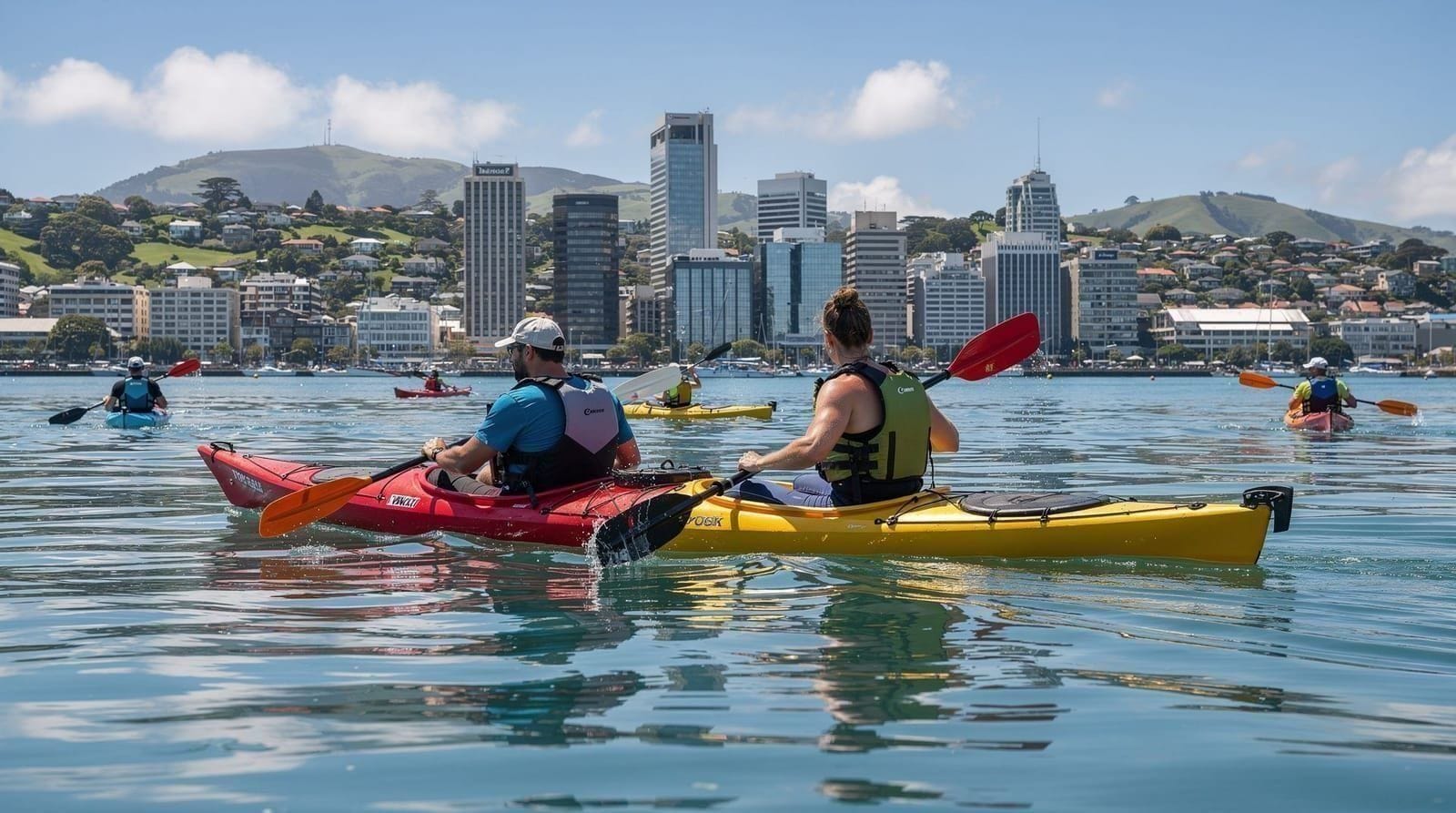
The drive or walk out to Owhiro Bay passes close to Days Bay and Eastbourne on the harbour’s eastern side (a separate outing on the opposite coast, not directly connected by this walk), and the wider south coast area offers additional walking and mountain-biking terrain, including routes covered in our Mount Victoria mountain biking guide, for travellers wanting to extend a half-day into a fuller outing. It’s a natural addition to a best day trips from Wellington itinerary for travellers wanting genuine coastal wildlife without a long drive out of the city, and pairs well with Wellington harbour kayaking on the opposite, more sheltered side of the coast if you want both a wild and a calm-water outing in the same trip.
Families building a wildlife-focused stay around Wellington might also fold this into our nature and wildlife in 4 days itinerary, which sequences Zealandia, Kāpiti Island and the seal colony into a single coherent multi-day plan rather than three disconnected outings.
What the walk itself feels like
The Red Rocks track follows an old, weathered 4WD road hugging the shoreline the entire way, with Cook Strait’s open water on one side and steep, largely bare hillside on the other — a stark, exposed landscape that feels considerably more remote than its actual proximity to the city suggests. Unlike a forested bush walk, there’s little shelter along the route, which means the coastline’s famous wind is a constant companion rather than an occasional gust, and the sense of isolation this creates is, for many visitors, as much a part of the experience as the seals themselves. Interpretive signage along parts of the track explains both the site’s Māori history and its geology, adding useful context for those wanting more than a straightforward wildlife walk.
Is it worth the trip?
Yes, particularly given how close it sits to the CBD and how little it costs to visit independently — a free, flat coastal walk delivering a genuine wild seal encounter is a rare combination, and the site’s raw, exposed character is a worthwhile contrast to Wellington’s more polished, sheltered central attractions like Oriental Bay or the waterfront walk. The main honest caveat is seasonal: a summer visit carries real odds of seeing few or no seals at all, so set expectations accordingly, or plan a winter trip — see our Wellington in winter guide for what else the season suits — if a sighting matters more than convenient weather.
Seasonal odds at a glance
| Season | Seal numbers | Notes |
|---|---|---|
| Winter (May–Oct) | Highest | Bull seals hauling out ahead of breeding season |
| Spring (Nov) | Moderate, declining | Numbers begin thinning as the season turns |
| Summer (Dec–Feb) | Lowest | Seals disperse offshore to feed |
| Autumn (Mar–Apr) | Building | Numbers start climbing back toward winter levels |
Public transport and driving options
Owhiro Bay has no dedicated Metlink bus route running directly to the track start, which is one of the main practical reasons visitors without a car often default to a guided tour rather than the independent walk. A taxi or rideshare from the CBD is a workable alternative if you’d rather walk independently without renting a car — check our do you need a car in Wellington guide for the wider reasoning on when a rental genuinely pays off versus taxis and tours covering the gap.
Pairing with a wider south coast itinerary
Wildlife-focused visitors building a longer stay around Wellington often combine the seal colony with Zealandia and Kāpiti Island across a multi-day visit — three genuinely different wildlife environments (fenced sanctuary, offshore nature reserve, and wild open coast) within easy reach of the same city base. Our best time to visit Wellington guide is worth cross-checking if you’re deliberately timing a winter visit for the seal colony against the rest of your trip’s weather expectations.
Frequently asked questions about Wellington harbour seal colony guide
How do you get to the Wellington seal colony?
The Red Rocks coastal track starts at Owhiro Bay, about 15 minutes' drive from central Wellington, and follows a flat, exposed 4WD track along the coast to Sinclair Head, roughly 1.5-2 hours return on foot. Guided tours cover the same route by vehicle and on foot with commentary included.When is the best time to see seals at Red Rocks?
Winter months, roughly May to October, bring the biggest gathering as bull seals establish territory ahead of the breeding season. Seals are present in smaller numbers year-round, but the colony thins out over summer as animals disperse to feed further offshore.Is the Red Rocks walk difficult?
No — the track itself is flat and well-formed, following an old 4WD road along the coastline, making it accessible to most fitness levels. The main challenge is the site's genuine exposure to Wellington's wind, which can make the walk considerably more strenuous-feeling than the flat terrain suggests.How close can you get to the seals?
Department of Conservation guidance is to stay at least 10 metres from seals and never get between one and the water, since they can move quickly on land and will bite if they feel cornered. The colony typically hauls out on rocks visible from the track without needing to approach closely.Do you need a guided tour to see the seal colony?
No — the coastal track is open access and walkable independently, free of charge. A guided tour adds transport (useful without a car), commentary on the colony's ecology, and often covers a longer stretch of coastline than most visitors would walk unguided.Can you drive all the way to the seal colony?
General public vehicle access along the Red Rocks track beyond Owhiro Bay is restricted, so most visitors reach Sinclair Head on foot or via a guided 4WD tour rather than driving themselves — check current access conditions locally before assuming you can drive the full route.
Top experiences
Bookable activities with verified prices and instant confirmation on GetYourGuide.