Cape Palliser seals and lighthouse guide
Cape Palliser: Coastal Explorer Walking Tour From Wellington
Duration: 90min lookout walk
What is Cape Palliser known for?
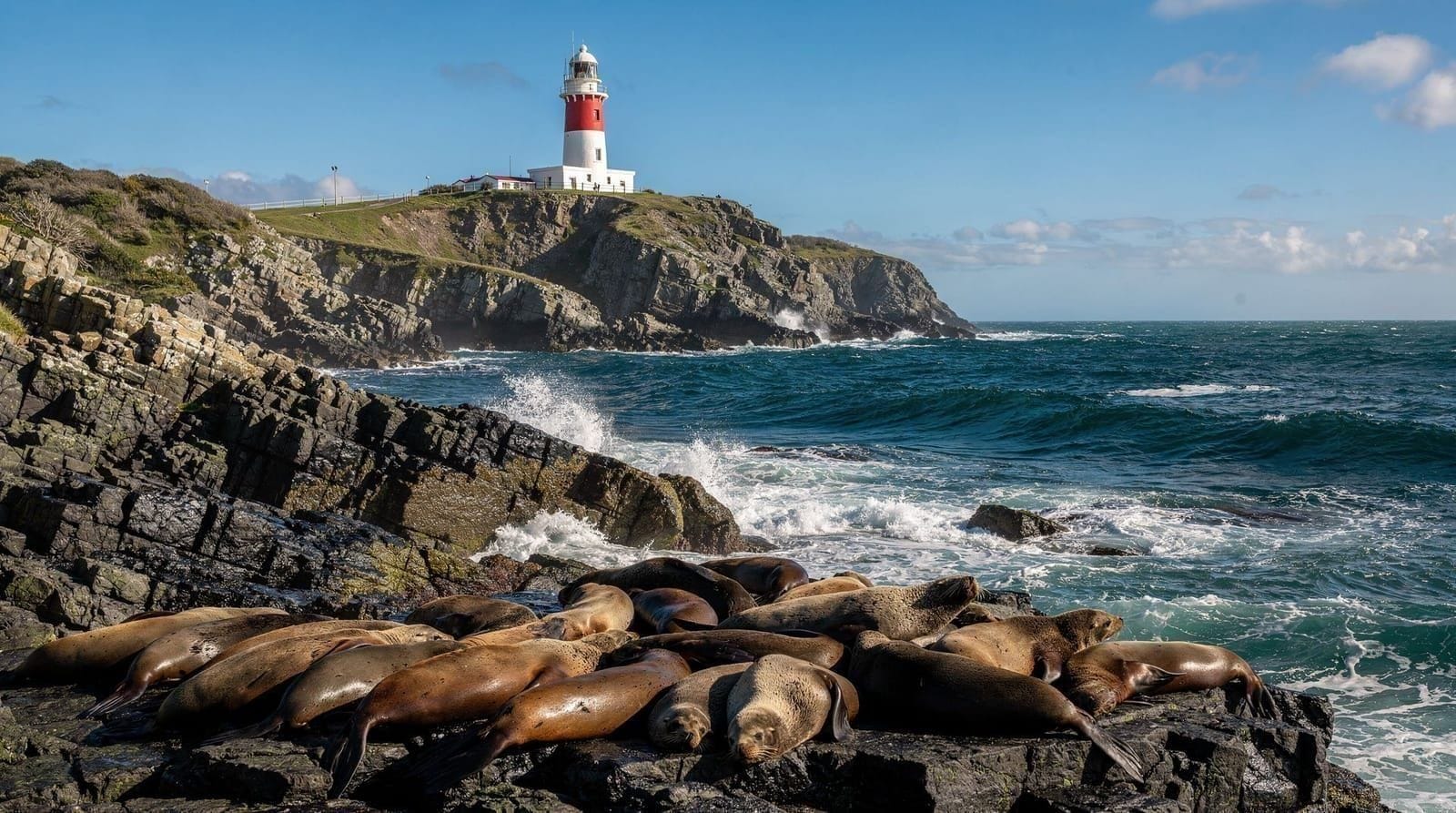
Cape Palliser hosts the North Island's largest New Zealand fur seal colony, hauled out on the rocks near the lighthouse road, plus the striking red-and-white Cape Palliser Lighthouse itself, reached by 250-odd steps up a headland. It's a wild, remote-feeling coastline about 1 hour 40 minutes to 2 hours' drive from Wellington via Martinborough.
The North Island’s wildest, least-visited coastline
Cape Palliser, on the far southeastern tip of the North Island beyond the Wairarapa, is a genuinely remote stretch of coast — rugged headlands, a working fishing settlement at Ngawi where tractors haul small boats up the beach between the houses, and the North Island’s largest colony of New Zealand fur seals, hauled out on the rocks along the final stretch of coast road. It’s about as far from Wellington’s compact CBD character as this trip gets while still being a feasible day out, and that contrast is exactly the appeal.
Getting there requires a genuine drive — roughly 1 hour 40 minutes to 2 hours one-way from Wellington via Martinborough — and there’s no public transport option at all, so this is either a self-drive day or a booked tour, with no in-between.
| Where | Cape Palliser, far southeastern Wairarapa coast |
| Distance | Around 1hr 40min–2hrs drive from Wellington via Martinborough |
| Cost | Free (seal colony & lighthouse); guided tour around NZD 150–200pp |
| Facilities | None past Martinborough — fuel up and pack food before you go |
| Best time | May–October for seal numbers; early morning for photography |
Getting there: the drive from Wellington
The standard route heads out over the Remutaka Range via Featherston, through Martinborough, then south along increasingly rural roads toward Lake Ferry and finally the Cape Palliser coast road itself. The final stretch past Ngawi to the lighthouse and seal colony is narrow, unsealed in sections, and genuinely remote — mobile coverage drops out for long stretches, and there’s essentially no fuel, food or facilities once you’re past Martinborough, so fill up and pack supplies before heading further south.
For visitors without a rental car, or those who’d rather not navigate the unfamiliar rural roads themselves, the Cape Palliser Coastal Explorer walking tour from Wellington covers the full return trip with a guide, including stops at the seal colony and the lighthouse, without the logistics of self-driving the full route.
The seal colony
New Zealand fur seals haul out year-round on the rocks along the final approach to the lighthouse, but numbers vary considerably by season. Winter months, roughly May through October, bring the biggest gathering as bull seals establish territory ahead of the breeding season, with pups typically born in the following summer. Over summer, seal numbers at the colony thin out as animals disperse further offshore to feed, so a winter visit — counterintuitively, given Wellington’s otherwise wetter, wind-lashed winter reputation — is genuinely the better season for wildlife density here.
The Department of Conservation’s guidance is to stay at least 10 metres from seals at all times and never position yourself between a seal and the water, since they can move considerably faster on land than their bulk suggests and will bite defensively if they feel cornered. The colony sits close enough to the public road that a respectful, appropriately distanced view is easy without needing to scramble over rocks — resist the urge to get closer for a better photo.
A brief history of the lighthouse
Cape Palliser Lighthouse was completed in 1897, positioned at this exposed southern point of the North Island specifically because of Cook Strait’s treacherous reputation for shipping — the strait’s unpredictable currents and exposure to open Pacific and Tasman Sea swells made this stretch of coast a genuine hazard for vessels navigating between the two islands in the age before modern navigation systems. Originally staffed by lighthouse keepers and their families living in cottages at the base, the light was automated in 1986, ending more than eight decades of continuous human occupation at one of the more remote postings in the country’s lighthouse-keeping history. The keepers’ cottages remain at the site today, though they’re not open for public tours.
The lighthouse
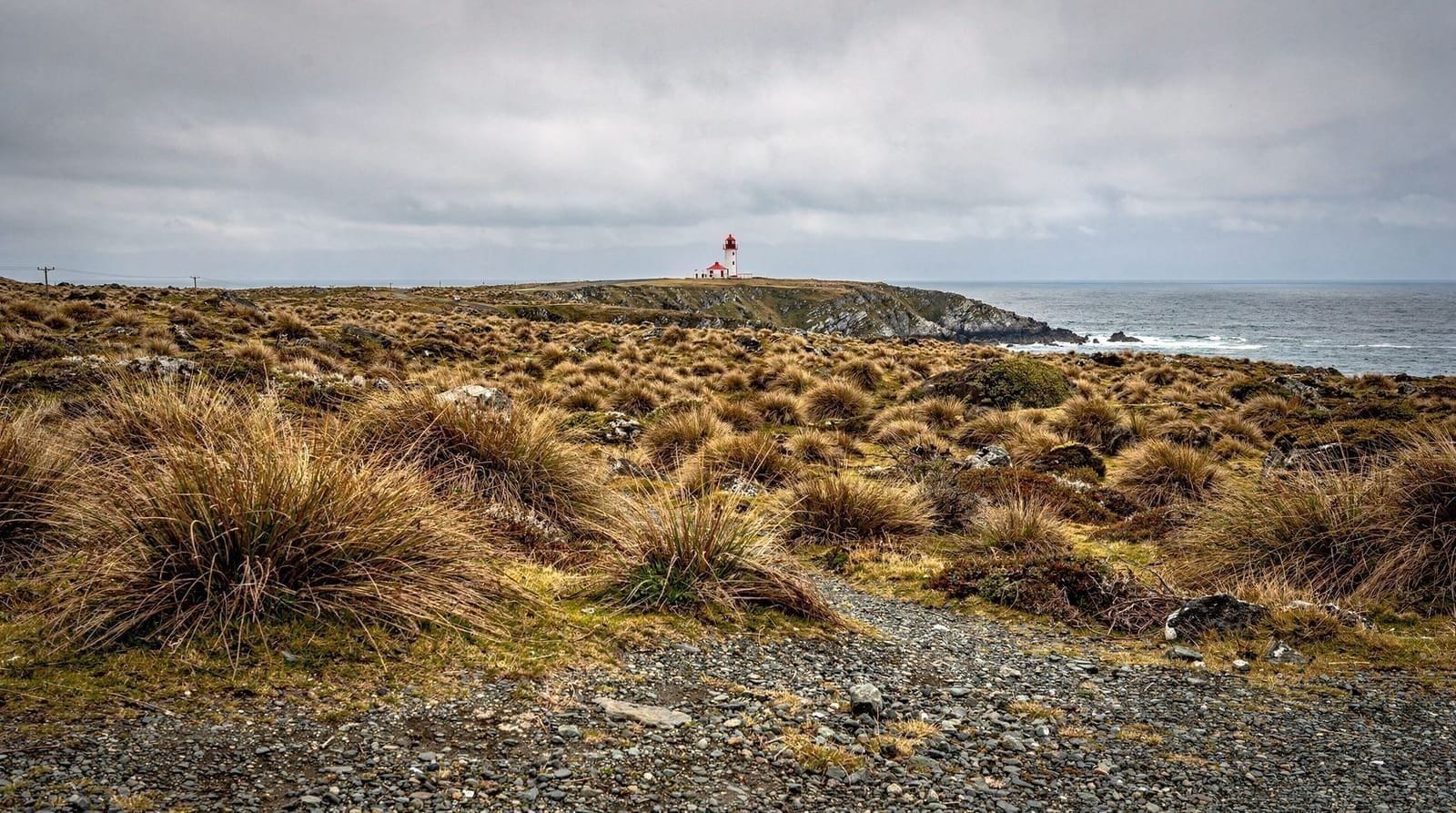
The Cape Palliser Lighthouse, painted in a distinctive red-and-white livery, sits atop a steep headland reached by a set of roughly 250 wooden steps from the small car park below. It’s a genuinely steep climb but a short one, and the view from the top — across the exposed southern coastline toward the Cook Strait — is worth the effort on a clear day. The lighthouse itself dates to the early 20th century and remains an active aid to navigation for shipping through Cook Strait’s notoriously exposed waters, though it’s automated now and not open for interior tours.
Timing your visit around the day
Most visitors leave Wellington mid-morning, arriving at Cape Palliser around lunchtime after the drive and any Martinborough stop, leaving the afternoon for the seal colony, lighthouse climb and Ngawi before heading back before dark — a sensible structure given how few facilities exist along the final stretch of road. Since this is such a remote, sparsely populated part of the region, cell coverage and any form of roadside assistance are both unreliable, so building in a reasonable safety margin on timing, rather than pushing to arrive right at dusk, is worth taking seriously rather than treating as an overcautious suggestion.
Ngawi and the tractor fleet
Just before the lighthouse, the tiny settlement of Ngawi is one of New Zealand’s more unusual working fishing villages — with no natural harbour, local fishermen use a fleet of old bulldozers and tractors, several of them genuinely vintage, to haul small boats directly up the open beach between launches. It’s not a tourist attraction as such, just a functioning part of daily life here, but it’s a striking, unexpected sight worth slowing down for as you pass through.
Putangirua Pinnacles nearby
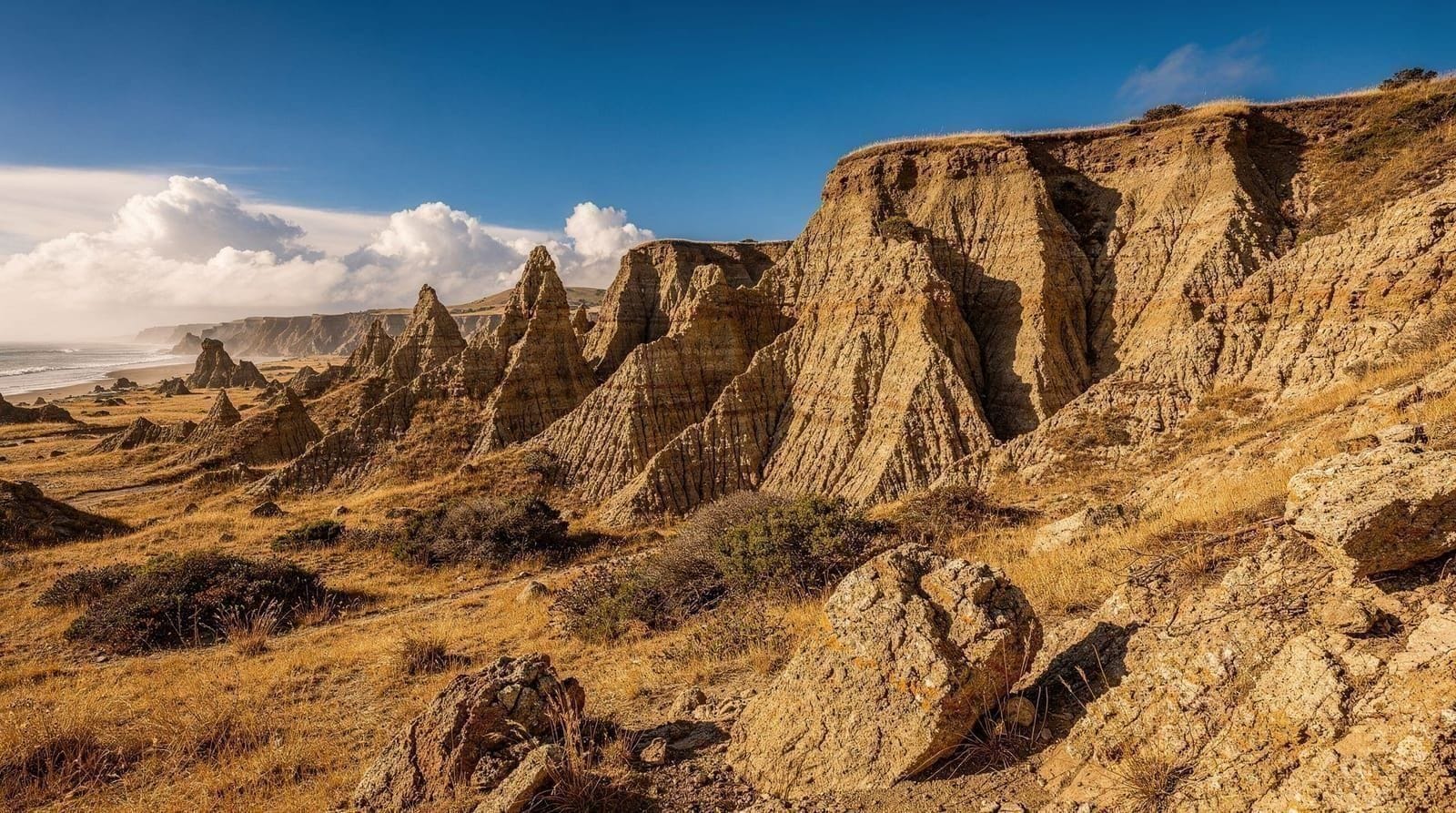
A short detour before reaching the coast proper, Putangirua Pinnacles — dramatic eroded rock formations used as the “Paths of the Dead” in the Lord of the Rings films — are reachable via a well-formed walking track from a car park just off the main road. It’s a worthwhile add-on for film fans or anyone wanting a proper walk to break up the driving, and pairs naturally with a Cape Palliser day given how close it sits to the main route.
Photography tips for the seal colony and coastline
Early morning light along this east-facing coastline tends to be softer and more flattering than the harsh midday sun typical of an exposed southern headland, and it’s also when seals are often most active before the day warms up. A longer zoom lens is genuinely useful here, both for capturing seal behaviour from the recommended safe distance and for the lighthouse itself, which is easier to frame well from a distance than up close given the surrounding terrain. The Ngawi tractor fleet, parked along the beach between launches, photographs well in the flat light of an overcast day, when the muted colours suit the scene’s slightly worn, working character better than harsh sun.
Wildlife beyond the seal colony
Beyond the fur seals, this stretch of coast supports a range of seabirds, including the occasional albatross visible further offshore, and the rocky shoreline near Ngawi is a reasonable spot to watch for shags and gulls working the surf line for food. Whale sightings, while not a reliable feature of a Cape Palliser visit the way they are at Kaikōura, do occur opportunistically during migration seasons for southern right whales and humpbacks passing through Cook Strait — a genuine bonus rather than something to plan a visit around specifically.
Cape Palliser vs Wellington’s own seal colony
If the drive sounds like too much, Wellington’s south coast has its own, much smaller seal haul-out within the city limits, and it’s worth knowing the trade-off before committing a full day to Cape Palliser.
| Cape Palliser | Wellington’s south coast | |
|---|---|---|
| Colony size | North Island’s largest, dozens to hundreds of seals | A handful of seals, sightings not guaranteed |
| Travel time | 1hr 40min–2hrs each way | 20–30 minutes from the CBD |
| Setting | Remote, wild, working fishing village nearby | Suburban coastline, easy access |
| Best for | A dedicated wildlife day and a proper road trip | A quick, low-commitment top-up if short on time |
The Wellington harbour seal colony guide covers the closer option in detail, and the Wild Wellington seal coast safari runs a guided half-day version of it if you’d rather not self-drive even that short distance. Neither comes close to Cape Palliser for sheer numbers, but they’re realistic alternatives if a 4-hour round trip doesn’t fit your itinerary.
What to pack, since there’s nothing to buy out there
Because facilities disappear completely once you’re past Martinborough, treat this like a proper day trip rather than a quick drive: fuel up beforehand, bring water and snacks or a packed lunch, and pack layers — the exposed coastline is noticeably windier and cooler than central Wellington even on a fine day. Closed, sturdy shoes make the 250-step lighthouse climb and any walking around Ngawi more comfortable than sandals. A printed map or downloaded offline map is genuinely useful given how patchy mobile coverage becomes on the final stretch, and a torch or headlamp is worth having in the car in case you end up driving back after dark.
Where to stay if you don’t want to rush it
Most visitors treat Cape Palliser as a long single day from Wellington, but splitting the trip with a night in Martinborough turns it into a more relaxed two-day loop — wine tasting and dinner the first evening, an early start for the coast the next morning while the light and seal activity are both at their best. Lake Ferry, closer to the cape itself, has a handful of simple accommodation options for anyone wanting to be right on the coast rather than driving the full distance twice in one day.
Combining with Martinborough
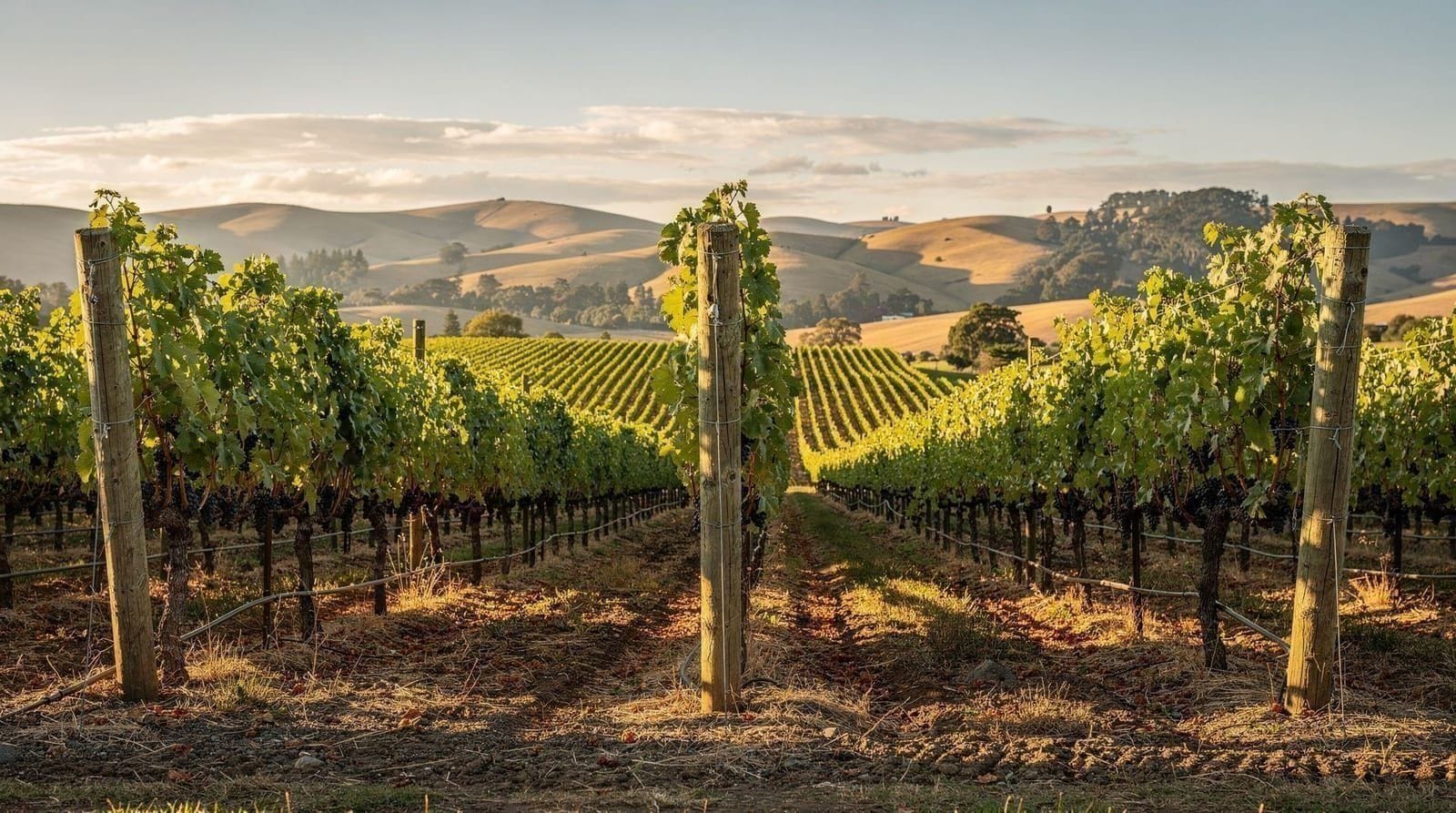
Since Martinborough sits directly on the route to Cape Palliser, pairing a wine stop with the coastal drive is the most common way to structure this day — either a late-morning wine tasting on the way out, or a stop on the return leg once the seal colony and lighthouse are done. Nearby Greytown is another reasonable stop if you want a second Wairarapa town on the same route. Attempting both thoroughly in a single day makes for a genuinely long one, easily 8-10 hours door to door once driving, walking and stops are factored in, so be realistic about how much time each element actually deserves rather than trying to rush both.
Road conditions and what to expect while driving
The route out through Featherston and Martinborough is fully sealed and straightforward, but the final stretch of coast road past Lake Ferry toward Ngawi and the lighthouse narrows considerably, with unsealed sections in places and limited passing room on the tighter bends closest to the coast. It’s a manageable drive for anyone comfortable with rural New Zealand roads, but it’s genuinely different from the wide, well-marked highways most international visitors are used to, and it’s worth allowing extra time rather than rushing the final approach, particularly if driving in low light or wet weather. Livestock occasionally cross or wander onto the road in the more rural stretches, another reason to keep speeds moderate on this final section regardless of how empty the road looks ahead.
Honest take: is the drive worth it?
For travellers with a genuine interest in wildlife and a taste for remote, unpolished coastline, yes — Cape Palliser delivers something none of Wellington’s closer attractions can: a proper wild seal colony, a working fishing settlement unlike anywhere else in the country, and a coastline that feels meaningfully far from the capital rather than a short excursion from it. The trade-off is honest and unavoidable: a long drive on winding rural roads, minimal facilities once you’re past Martinborough, and a full day given over to a single destination.
If a long self-drive on unfamiliar roads isn’t appealing, or you don’t have a rental car, the Cape Palliser Coastal Explorer walking tour removes that friction entirely at the cost of a fixed itinerary rather than your own pace. Either way, this isn’t a rushed half-day add-on — treat it as its own dedicated day, ideally combined with a Martinborough day trip en route, rather than squeezed alongside other best day trips from Wellington on the same day. For a different angle on the same route, the Cape Palliser day trip guide and Palliser wild coast day trip both cover itinerary variations worth comparing before you commit.
Frequently asked questions about Cape Palliser seals and lighthouse guide
When is the best time to see seals at Cape Palliser?
Winter months, roughly May to October, bring the largest numbers as bull seals haul out to establish territory ahead of the breeding season. Seals are present year-round, but colony numbers thin out over summer as animals disperse to feed further offshore.Can you get close to the seals at Cape Palliser?
Seals haul out on rocks close to the public road and viewing areas, but the Department of Conservation guideline is to stay at least 10 metres away and never get between a seal and the water. Fur seals can move surprisingly fast on land and will bite if they feel cornered.How do you get to Cape Palliser from Wellington?
Drive via Featherston and Martinborough over the Remutaka Range, then along the coast road past Lake Ferry — the full trip is around 1 hour 40 minutes to 2 hours one-way, and there's no public transport option, so a self-drive or guided tour is required.Is Cape Palliser worth visiting without a tour?
Yes, if you're comfortable with a fairly long self-drive on winding rural roads — the seal colony and lighthouse are both freely accessible by public road with no entry fee. A guided tour adds commentary and removes the driving, which suits visitors without a rental car.Can you combine Cape Palliser with Martinborough?
Yes, this is the most common way to visit — Martinborough sits directly on the route out to Cape Palliser, making a wine stop en route or on the return leg a natural pairing, though it makes for a genuinely long day if attempting both thoroughly.