Toast Martinborough and the harvest festival
A festival built on a genuinely good wine region
Toast Martinborough was, for years, one of New Zealand’s best-known wine and food festivals — a one-day event bringing together Martinborough’s boutique wineries with live music and food stalls, drawing crowds from across the country, including a meaningful share of Wellington day-trippers for whom it was the single biggest wine event of the year. Its exact current-year format has shifted over time (it hasn’t run every single year on the same schedule as its 1990s-2000s peak), so it’s worth checking the specific dates and ticket availability for your travel window rather than assuming it runs annually on a fixed date — but the harvest season and the wineries behind the festival are a constant, and that’s the part worth building a Wairarapa trip around regardless of whether the festival itself lines up with your dates.
| Where | Martinborough, 65km northeast of Wellington across the Remutaka Range |
| Harvest season | Roughly March to April |
| Getting there | Around 1hr 15min by car, or train to Featherston plus a short transfer |
| Cellar-door tastings | Around NZD 5–10, often waived with a bottle purchase |
| Best for | Pinot Noir fans wanting a walkable, boutique wine region |
What Martinborough’s harvest season actually looks like
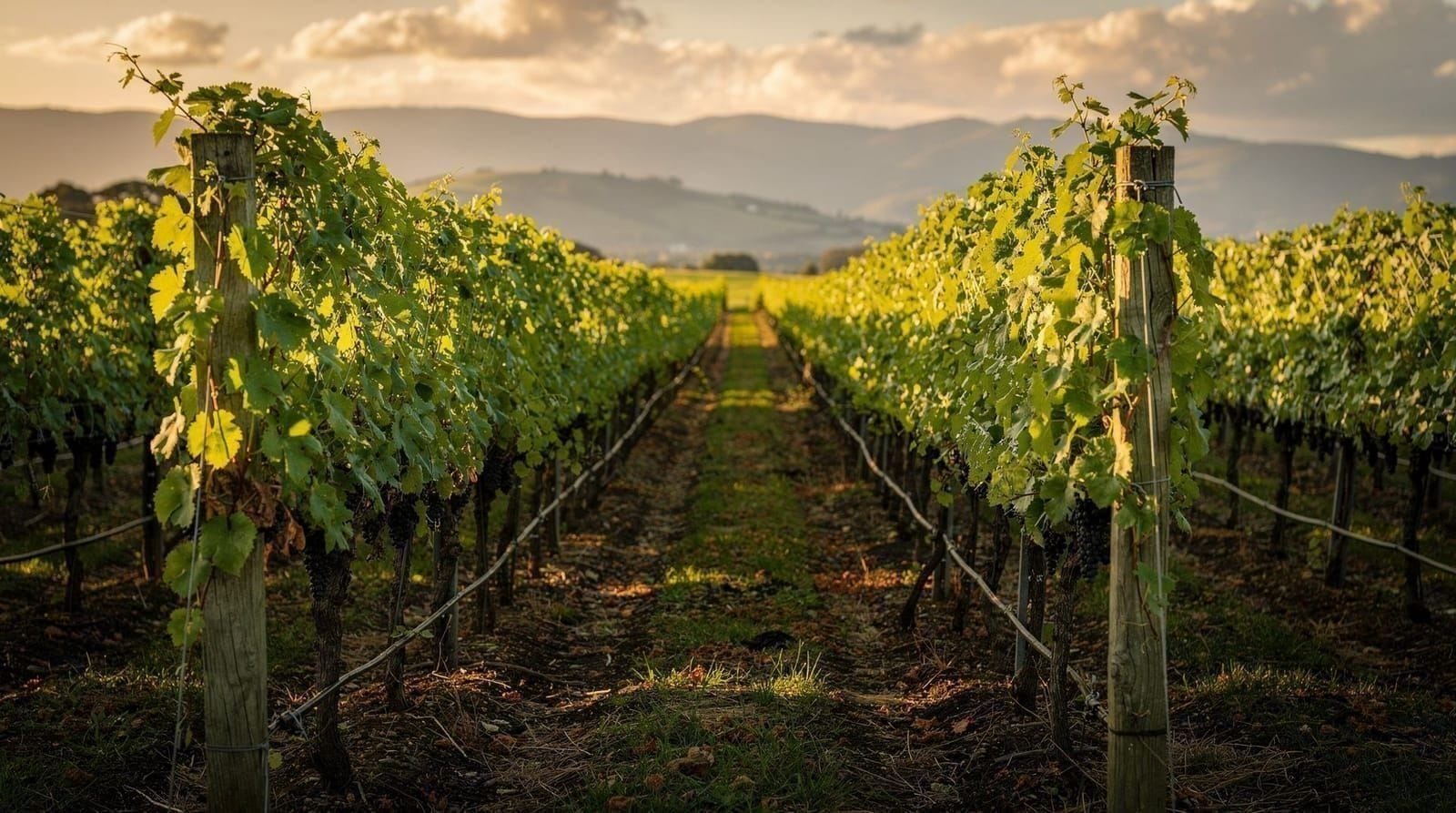
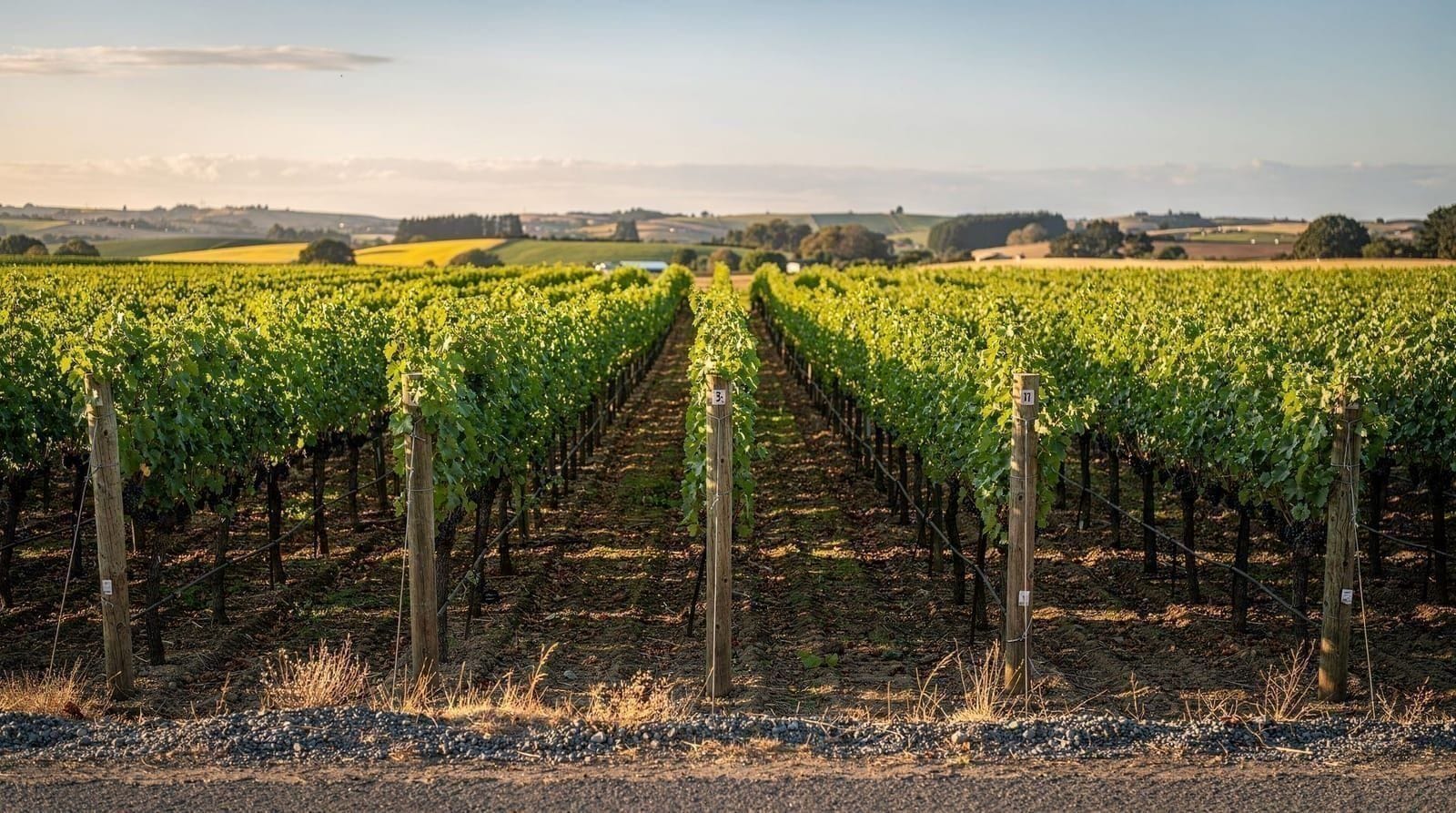
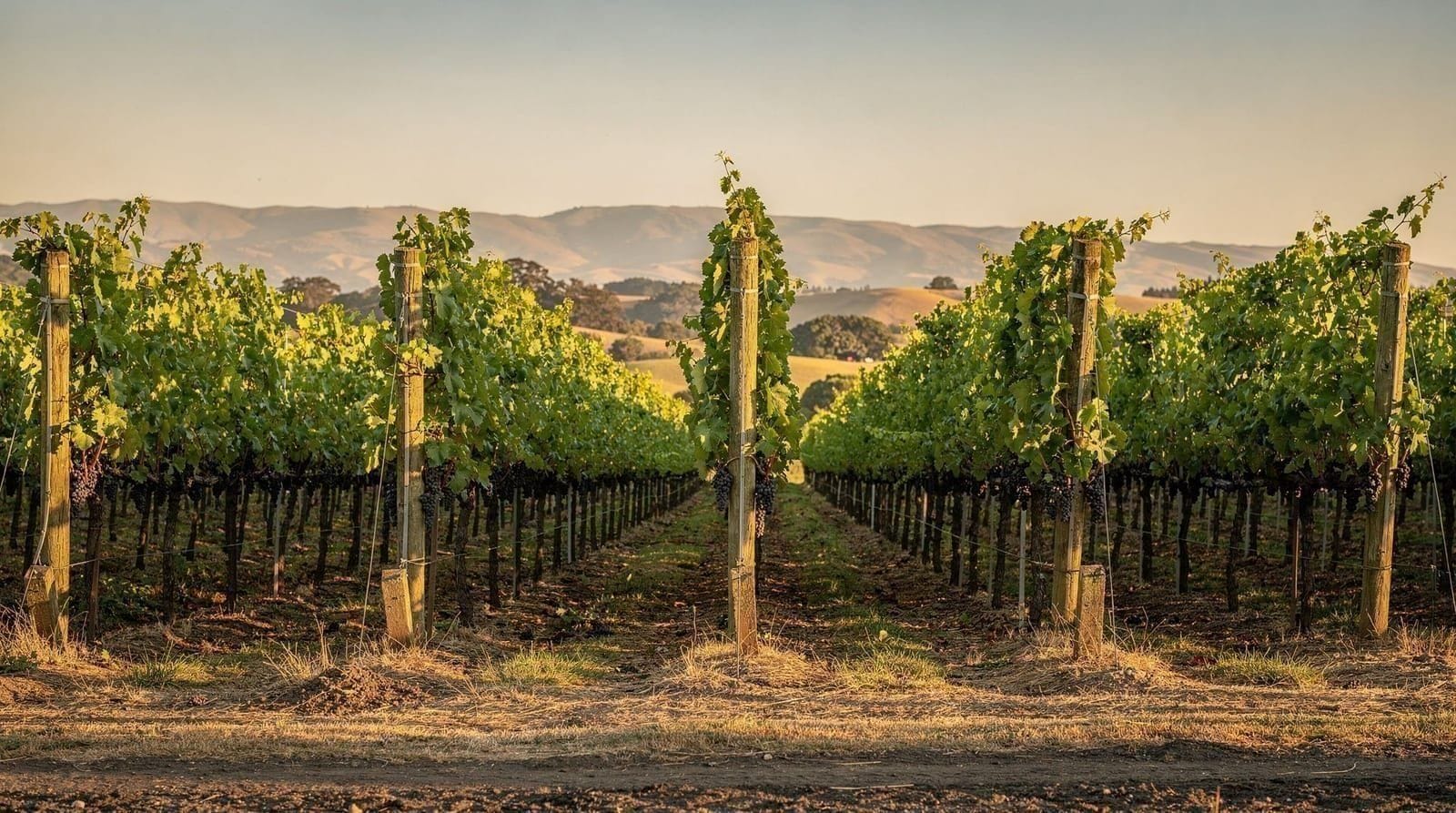
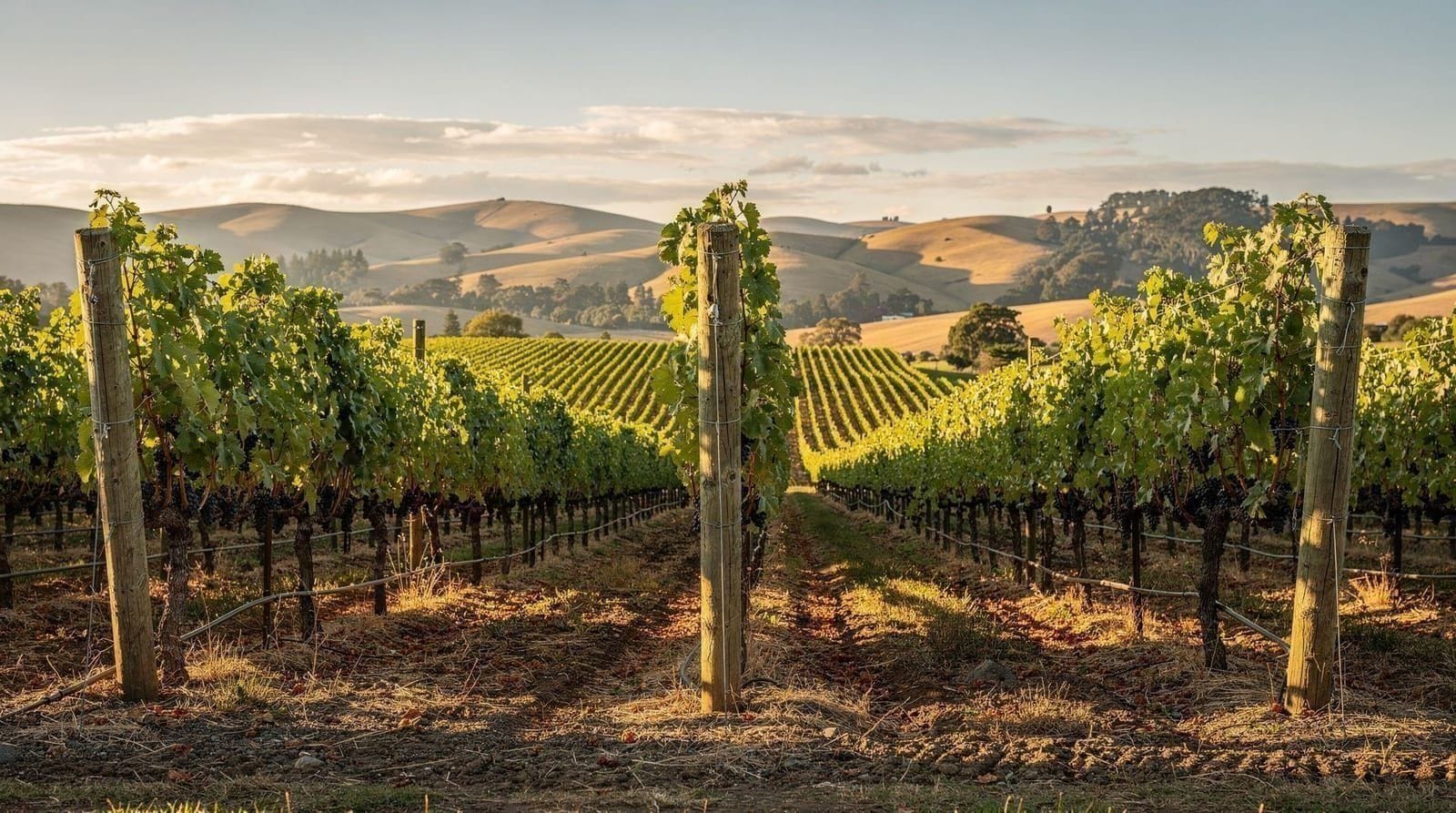
Martinborough’s harvest runs roughly March to April, when the valley’s 20-plus wineries — most within walking or cycling distance of the town centre — bring in Pinot Noir, the region’s signature variety, alongside Sauvignon Blanc, Syrah and aromatic whites. This is genuinely the best time to visit the region even outside any specific festival dates: cellar doors are busiest and most engaged with visitors, some wineries run harvest-specific tastings or events, and the autumn weather (mild, often clear) makes the drive over the Remutaka Range and the walking or cycling between wineries more comfortable than in Wellington’s windier or wetter months.
Our Martinborough harvest season guide covers which wineries lean into the season most and what a harvest-time cellar-door visit actually involves. Pack layers rather than a single jacket — autumn mornings in the valley can start cool enough for a jumper before warming into shirt-sleeve weather by early afternoon, and the day’s temperature swing is genuinely wider here than in Wellington itself, sheltered as the valley is from the city’s coastal wind.
What a festival day (or a regular harvest-season visit) actually costs
Individual cellar-door tastings typically run NZ$5-10, often waived entirely if you buy a bottle afterwards, and a lunch stop at one of Martinborough’s farm-to-table restaurants runs NZ$20-40 per person — reasonable by New Zealand standards, and noticeably better value than Marlborough’s more tourist-dense wine region across Cook Strait. If a specific festival is running during your visit, expect a separate ticket cost on top of individual tastings, typically in the low hundreds of NZ dollars depending on the year’s format, and transport becomes a real consideration — driving yourself and drinking is obviously not compatible, and organised transport from Wellington fills up well ahead of any major festival date.
Should you stay overnight?
A single day trip from Wellington covers the essentials well, and works fine for a first taste of the region, but harvest season specifically rewards staying at least one night in Martinborough itself if your schedule allows it — the town’s handful of boutique lodges and B&Bs (most within walking distance of the town square) put you close enough to visit cellar doors on foot after check-in, without the round-trip drive eating into your tasting time. Accommodation in Martinborough runs noticeably higher during peak harvest weekends than the rest of the year, so booking well ahead matters more here than for a typical Wellington city stay, given how few rooms the town actually has compared with a larger tourism-focused destination. If a day trip is genuinely all your itinerary allows, that’s a legitimate way to experience the region too — it simply means a tighter, more curated selection of stops rather than the more leisurely two-day version.
Getting there without the driving-and-drinking problem
Martinborough sits 65 km northeast of Wellington, across the Remutaka Range, roughly 1 hour 15 minutes by car, or a similar time by train to Featherston plus a short onward transfer — the train option removes the driving concern entirely for the outbound leg, though onward transport from Featherston station into Martinborough town still needs arranging separately, typically a short taxi ride rather than a scheduled connecting service. For a harvest-season or festival visit specifically, the sensible option is a guided tour that handles transport entirely — the Martinborough winery and south Wairarapa wild-coast tour covers the wine side alongside some of the region’s coastal scenery, while the dedicated Martinborough winery tour focuses purely on the cellar-door circuit if wine is the whole point of your day.
Both remove the need to designate a driver, which matters more during harvest season than any other time of year given how much more there is to taste, and how much less appealing a strict one-tasting-per-person limit becomes once you’re actually standing at a cellar door surrounded by a fresh vintage.
What the wineries themselves are known for
Martinborough’s reputation rests almost entirely on Pinot Noir, grown in a distinctive free-draining, stony soil left behind by an old Ruamahanga River terrace — a similar profile to Burgundy’s and part of why the region’s Pinot developed an international reputation disproportionate to its small size. Winemakers first identified the potential of this specific terrace back in the late 1970s and early 1980s, and the region’s rapid rise to international recognition over the following two decades is now a fairly well-documented case study in New Zealand wine circles of terroir being identified and exploited quickly once it was properly understood.
Ata Rangi, Dry River and Martinborough Vineyard are among the names most frequently cited by wine writers as the region’s flagship producers, though the valley’s small scale means even the biggest names here remain boutique by international standards, with tasting rooms staffed by people directly involved in the winemaking rather than hospitality staff reciting a script. Our best Martinborough wineries guide names specific cellar doors worth prioritising if your time is limited to a handful of stops.
Food alongside the wine
Martinborough’s dining scene leans heavily farm-to-table, reflecting the same producer-led ethos as its wineries, and several cellar doors run their own on-site restaurants or platters specifically designed to pair with what’s being poured that day. The town square itself, with its distinctive radiating street layout laid out in the 1880s, hosts a small Sunday farmers’ market during harvest season that’s worth timing a visit around if a genuinely local food experience matters as much as the wine — cheese, charcuterie and seasonal produce stalls sit alongside the square’s established cafes, giving a good sense of the wider Wairarapa food scene beyond wine alone.
Booking lunch ahead matters more during harvest season than the rest of the year, since the same weekday crowds drawn to the wineries fill the limited number of tables at the handful of well-regarded restaurants in a town this size. A three-course lunch for two runs roughly NZ$80-140 depending on the venue, noticeably better value than an equivalent meal in central Wellington despite the generally high quality of the produce and cooking on offer.
Comparing it to Marlborough’s harvest scene
Martinborough’s harvest season sits in useful contrast to Marlborough’s, the country’s largest wine region, across Cook Strait near Picton and Blenheim. Marlborough is built around sauvignon blanc at industrial scale, with larger, more tourist-oriented cellar doors and a correspondingly bigger, more commercialised harvest festival calendar. Martinborough stays smaller and more intimate by comparison — walkable rather than requiring a car between most cellar doors, and generally quieter even during its own harvest peak. Our Wairarapa vs Marlborough wine comparison covers this distinction in more depth if you’re deciding which region better suits a harvest-season visit specifically.
Beyond the flagship event: other ways to time it right
If Toast Martinborough’s specific dates don’t line up with your trip, the region rewards a self-timed visit just as much — a weekday during harvest season, away from any single festival’s crowds, often gives a more relaxed cellar-door experience with more time to talk to winemakers directly, and several smaller producers will happily talk through the current vintage’s specific challenges (frost timing, rainfall, ripening speed) in a level of detail a busy festival day rarely allows for. Our Martinborough wine guide and best time for Martinborough wine cover the fuller seasonal picture beyond harvest specifically, and our Martinborough destination page rounds up the town itself alongside the wine region.
If cycling between cellar doors appeals more than a guided minivan circuit, our Martinborough by bike guide covers the logistics, and for a longer regional stay built entirely around the wine, our wine lovers’ weekend in Martinborough itinerary lays out a full two-day version of the trip, harvest season or otherwise, that treats the region as a genuine destination rather than a quick add-on to a Wellington city break.
Martinborough by season
Harvest gets the attention, but the valley is worth visiting outside March–April too, and knowing what each season actually offers helps set expectations if a festival or harvest week doesn’t line up with your travel dates.
| Season | What to expect |
|---|---|
| March–April (harvest) | Busiest cellar doors, harvest-specific tastings, best weather-to-crowd balance |
| May–August (winter) | Quiet cellar doors, some close midweek, cold mornings over the Remutaka Range |
| September–November (spring) | Vines budding, cellar doors reopening fully, fewer crowds than harvest |
| December–February (summer) | Warm, busy with domestic tourists, book restaurants and lodges well ahead |
A day trip that doesn’t feel rushed
Even without a festival running, a well-timed day trip can cover three to four cellar doors comfortably if you start by mid-morning and build in a proper lunch stop rather than treating food as an afterthought between tastings. Booking one or two cellar doors ahead — rather than turning up cold at every stop — matters more during the March–April peak, when smaller producers sometimes limit walk-in groups. Our Wellington day trip vs overnight in Marlborough piece covers the same day-trip-versus-staying-over trade-off for the other side of Cook Strait, useful context if you’re weighing up which wine region deserves the overnight and which works fine as a day trip.
Weather realities for the drive over
The Remutaka Range road between Wellington and Martinborough climbs through genuinely windy, occasionally fog-affected terrain, and conditions on the Wellington side of the range can differ sharply from the sheltered Wairarapa valley beyond it — a clear, calm day in Martinborough doesn’t guarantee the same driving conditions on the way there or back. Check the forecast for the range itself, not just your start and end points, and allow extra time if driving during or after heavy rain. Our how windy is Wellington really piece covers the city-side wind patterns that often extend partway up the range.
Frequently asked questions about Toast Martinborough and harvest season
Does Toast Martinborough run every year on a fixed date?
Not reliably — the festival’s format and scheduling have shifted over the years, so check current-year dates and ticket availability directly rather than assuming a fixed annual date; the harvest season itself, however, runs reliably each March–April regardless of whether a specific festival event lines up with your visit.
Can I visit Martinborough’s wineries without a car and without a festival ticket?
Yes — a guided winery tour from Wellington handles transport for a regular cellar-door day the same way it would for a festival day, and once in Martinborough itself, most cellar doors sit close enough together to walk or cycle between without needing a car at all.