Wine lovers' weekend in Martinborough
From Wellington: Martinborough Winery Tour
Duration: 5h
A proper wine weekend, not a rushed day trip
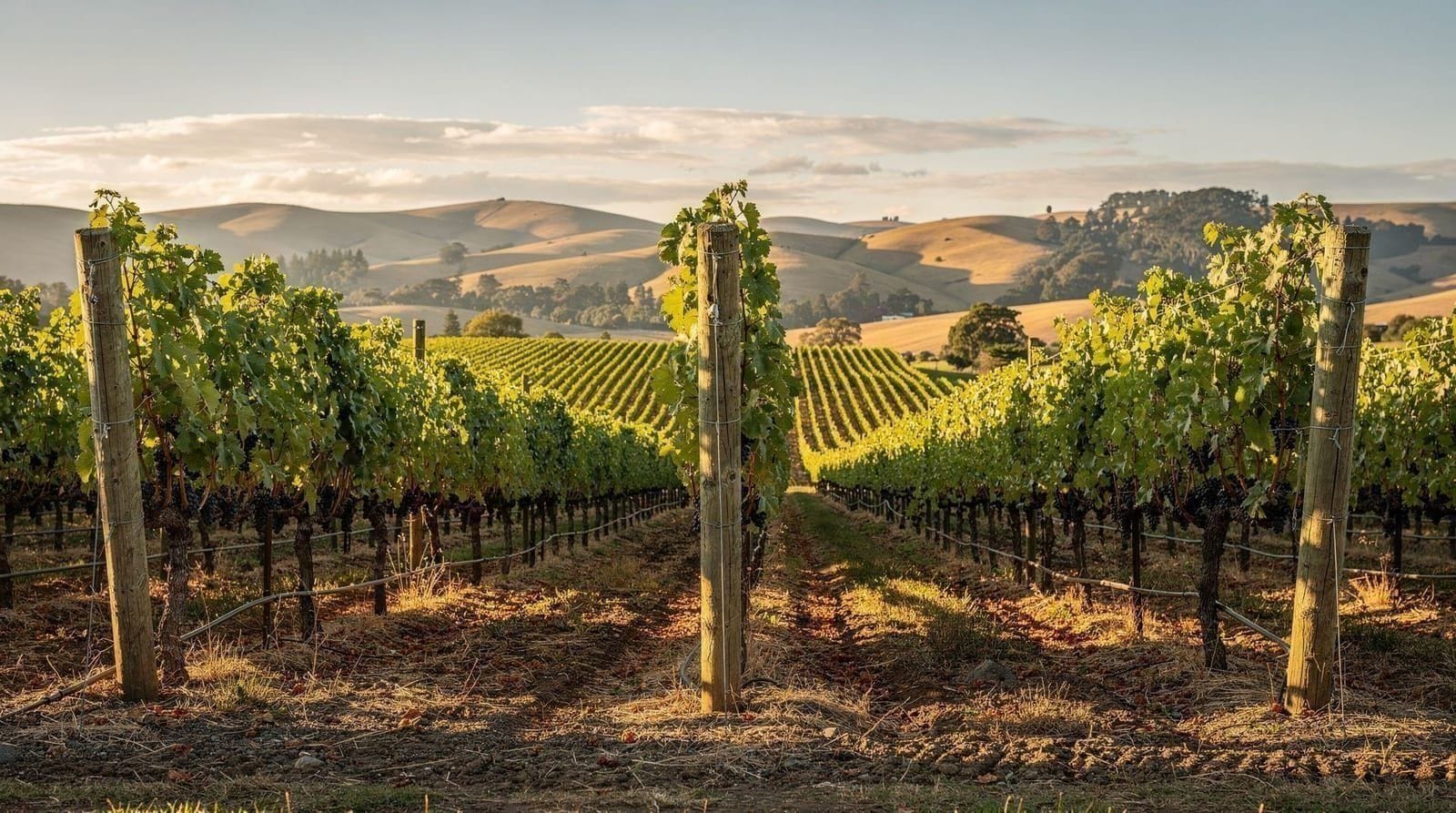
Most Wellington visitors treat Martinborough as a single day trip — drive out, taste, drive back. This itinerary makes the case for staying over instead: two nights turns a hurried tasting circuit into an actual wine weekend, with time to cycle between cellar doors at a relaxed pace, linger over a long lunch without watching the clock for the drive home, and add a second town — quiet, heritage-heavy Greytown — without feeling rushed. Martinborough sits 65km northeast of Wellington, about 1h15 by road over the Remutaka Range; once you’re there, the town itself and most of its 20-plus wineries sit within a compact, largely flat area that rewards slow exploration far more than a same-day round trip allows.
If a full weekend away isn’t realistic and you’d rather do this as a single day, see Martinborough day trip from Wellington for the compressed version, plus driving to the Wairarapa from Wellington and wine day-trip logistics from Wellington for the practical details of doing this as a round trip rather than an overnight stay.
| Where | Martinborough, with a Greytown detour (65km NE of Wellington) |
| Cost | around NZ$830–1,470 for two, excl. transport to Wellington |
| Time needed | 2 nights / 3 days |
| Getting there | Rental car, ~1h15 over the Remutaka Range, or a guided tour with transport |
| Best time | March–April (harvest), book well ahead for Toast Martinborough |
Why Martinborough specifically
New Zealand has two genuinely internationally known wine regions within reach of a Wellington trip: Martinborough (Wairarapa) and Marlborough, reached via the Cook Strait ferry. Martinborough is closer, smaller and built around pinot noir rather than the sauvignon blanc Marlborough is known for internationally — a different style of wine and a different scale of trip. If you’re weighing the two, Wairarapa vs Marlborough wine and Martinborough vs Marlborough wine both lay out the comparison in detail; the short version is that Martinborough suits a weekend without a ferry crossing, while Marlborough suits travellers already headed to the South Island.
How many wineries is too many
A genuine trap for first-time visitors is trying to fit in too many cellar doors across the weekend — Martinborough has more than 20 wineries, and visiting all of them in two days isn’t the goal, nor is it enjoyable. Four to six tastings across the whole weekend, spread across both days with proper lunches and breaks between, gives a far better experience than a rushed circuit of ten-plus stops where every pour starts to blur into the last. This itinerary deliberately paces the weekend around that lower number, prioritising quality of experience over ticking off cellar doors.
Where to stay
Peppers Martinborough Hotel, right on the town square, is the area’s best-known accommodation and puts you within walking distance of several cellar doors and the town’s restaurants. Smaller boutique options and vineyard cottages are scattered through the surrounding countryside for travellers who’d rather wake up among the vines than in town — several wineries run their own small-scale accommodation directly on-site. Expect NZ$180–320/night for a comfortable double, higher during the Toast Martinborough harvest festival weekend when demand spikes sharply — book well ahead if your visit coincides with any festival dates.
Booking a room right on the square rather than a vineyard cottage further out has a practical upside beyond convenience: it means Day 2’s cycling loop can start and end at your accommodation without needing to arrange a car shuttle for bikes, and it puts you within stumbling distance of dinner after an afternoon of tasting rather than needing a designated driver for the return trip each evening.
Day 1: arrival and the town’s flagship wineries
Morning — the drive out. Leave Wellington by mid-morning; the drive over the Remutaka Range takes about 1h15 and is scenic but winding, with several tight corners through the forested hill sections — allow extra time if you’re not used to mountain roads, and take it slower than a GPS estimate suggests. If you’d rather skip the driving (sensible, given how much tasting is ahead), the Martinborough wine and food tour with lunch from Wellington handles the whole day’s transport and a curated set of cellar-door stops plus lunch, departing directly from the capital.
Midday — check in and lunch. Drop bags at your accommodation and head into town for lunch — Poppies Martinborough pairs a shorter, well-chosen wine list with a genuinely good kitchen, or The Village Cafe on the town square for something simpler. Budget NZ$25–45 a head.
Afternoon — flagship cellar doors. Start with Martinborough’s two most internationally recognised names: Ata Rangi, whose pinot noir put the region on the world wine map decades ago, and Palliser Estate, similarly well-established and known for both pinot noir and sauvignon blanc. Both run regular tastings at NZ$5–10 per cellar door. See the Martinborough wine guide for the fuller context on how the region developed and why pinot noir became its signature variety, and best Martinborough wineries for a ranked list if you want to prioritise beyond these two.
Evening — dinner in town. Book ahead if possible; Martinborough’s dining scene is small and popular restaurants fill up on weekends. A relaxed dinner at your accommodation’s restaurant, if it has one, is often the easiest option after a full afternoon of tasting. Several wineries also run occasional evening events during harvest season — worth checking on arrival in case something coincides with your dates, since these tend to sell out fast once announced locally rather than being widely advertised to visitors in advance.
By this point in the day, most first-time visitors are surprised by how much slower and quieter Martinborough feels compared with even Wellington’s relaxed pace — there’s no real nightlife to speak of, just a handful of restaurants and the odd bar, and that’s very much by design. If an early, unhurried dinner followed by a quiet evening sounds appealing rather than restrictive, this itinerary’s pace will suit you well.
Day 2: cycling, smaller producers and Greytown
Morning — cycling between cellar doors. Martinborough’s flat layout and short distances between wineries make it one of the few New Zealand wine regions where cycling genuinely works as a way to get around — several operators in town rent bikes, and most cellar doors are used to cyclists arriving rather than cars. This is also the smart move if you plan to keep tasting through the morning without worrying about a designated driver. See Martinborough by bike for routes and rental logistics, and consider the chef’s private wine tour with gourmet lunch if you’d rather have a curated, driven alternative with a food-forward focus built in, particularly if lunch is as much the point as the wine for your group.
Midday — smaller, less-visited producers. Move on to Te Kairanga or Schubert Wines, both well-regarded but generally quieter than Ata Rangi or Palliser Estate, especially on a weekend when the bigger names draw more foot traffic. This is a good stretch for slower conversations with the people actually pouring the wine, which tends to be the most memorable part of a cellar-door visit anyway.
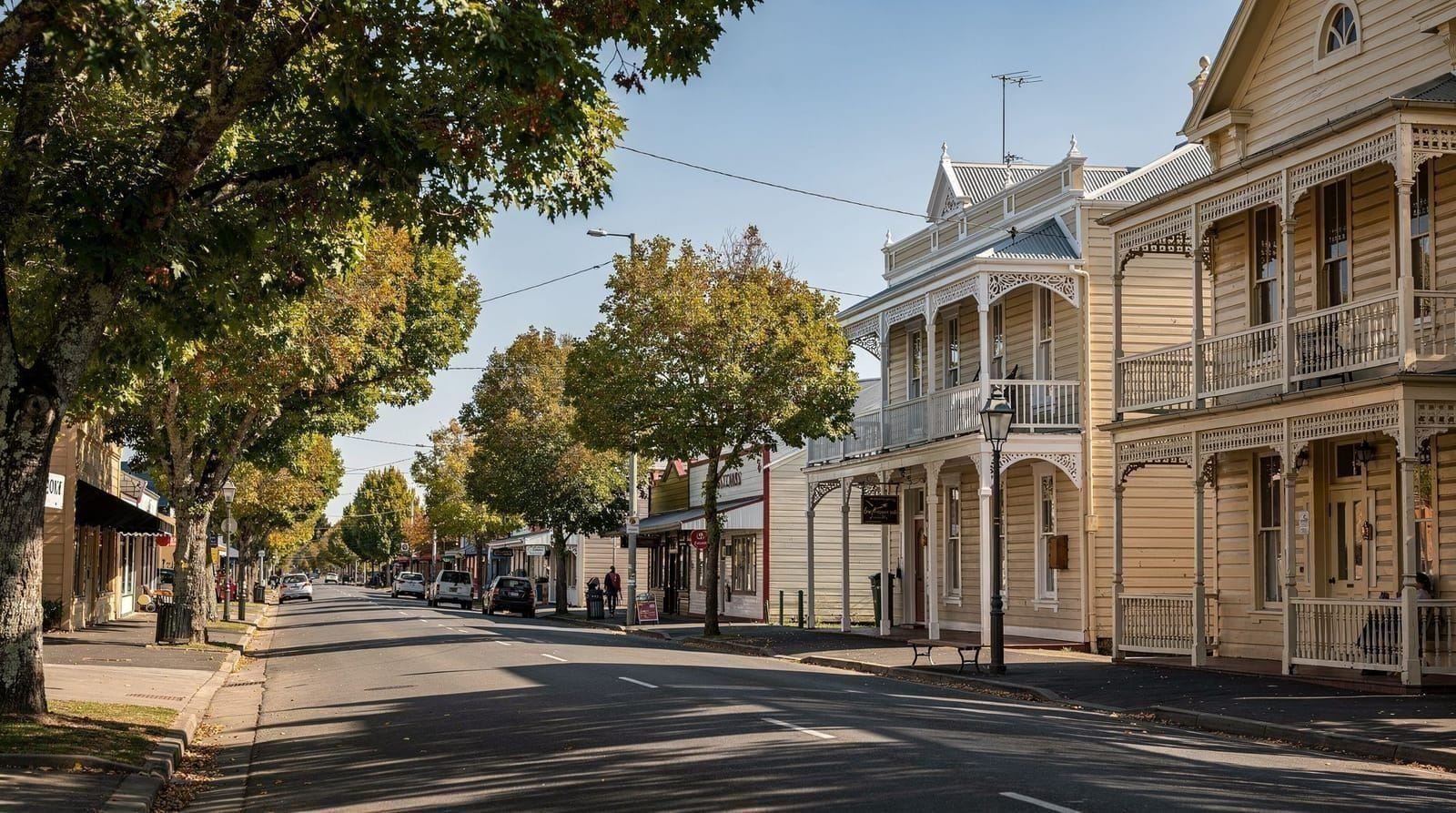
Afternoon — Greytown. A short 15–20 minute drive from Martinborough, Greytown is a smaller, quieter heritage town with well-preserved colonial-era buildings, boutique shops and a couple of well-regarded cafés — a good lower-key contrast to Martinborough’s wine-focused pace for your last few hours before heading back. See the Greytown day trip guide for what’s worth stopping for; an hour or two is enough unless you want to linger over a long coffee.
Greytown works particularly well as a palate reset after a morning and early afternoon of tasting — the shift from vineyard cellar doors to a walkable main street of heritage shopfronts and homeware stores gives the day a natural change of pace rather than ending the weekend on yet another tasting room. It’s also a sensible stop if anyone in the group isn’t especially interested in wine and would rather browse shops for an hour while the rest of the group finishes a last cellar-door visit nearby.
Evening — the drive back to Wellington. Head back over the Remutaka Range by early evening to avoid driving the winding sections after dark, particularly outside daylight-saving months when it gets dark noticeably earlier. If anyone in the car has been drinking through the weekend, book a shuttle back rather than risk the drive — several Wellington-based operators run scheduled Martinborough transfers specifically for this reason.
Budget for the weekend
Mid-range budget for two people: accommodation NZ$360–640 (two nights at NZ$180–320), food NZ$200–320, cellar-door tastings NZ$60–120 across the weekend for two, bike hire NZ$60–90 for a half-day for two, one guided tour if booked instead of self-driving NZ$150–300 for two. Total roughly NZ$830–1,470 for two people excluding transport to and from Wellington. See wine day-trip logistics from Wellington for how this compares to a rushed single-day version of the same trip.
The single biggest cost lever is accommodation choice — a vineyard cottage or boutique stay easily runs to the top of that NZ$180–320 range or beyond, while a simpler in-town option keeps costs down without sacrificing much in the way of location. Tastings themselves are a minor cost regardless of how many cellar doors you visit, which is part of why the earlier advice to limit yourself to four to six across the weekend is about experience quality rather than budget.
When to visit
March–April, during and just after harvest, is genuinely the best window — the region is at its most active, several wineries run harvest-specific events, and the Toast Martinborough festival (typically held in this window) draws a crowd worth planning around rather than stumbling into unprepared. See Martinborough harvest season guide and Toast Martinborough & the harvest festival for festival-specific planning, and best time for Martinborough wine for the broader seasonal comparison if your travel dates are flexible.
Outside harvest season, winter (June–August) is genuinely quiet — some smaller cellar doors reduce their opening hours or close on weekdays, and the region’s outdoor charm (cycling between vineyards, lingering on a terrace) loses a lot of its appeal in cold, wet weather. Spring and early summer sit in between: pleasant weather, a livelier atmosphere than winter, but without the harvest-specific buzz of autumn. If your dates are flexible at all, autumn is worth prioritising over any other season for this particular trip.
Food to pair with the wine
Martinborough’s food scene has grown up alongside its wine reputation, and several of the better meals of the weekend come from producers pairing their own wine with a genuinely considered menu rather than a generic tasting-room snack plate. Poppies Martinborough leans into this directly, building lunch around whatever’s currently being poured; several of the smaller wineries run occasional long-table lunches during harvest season specifically for this reason. If food and wine pairing is as much the draw as the wine itself, the wine and food pairings: Wairarapa & Marlborough guide goes into more depth on which varieties suit which dishes, useful background before a weekend built around exactly that combination.
Extending or adjusting the weekend
If you have a third day, the most natural addition is Cape Palliser — a scenic coastal drive south of Martinborough with a lighthouse and a seal colony, a genuinely different pace from the wine-focused first two days. It requires its own half-day at minimum given the driving distance, so treat it as a genuine extension rather than folding it into an already full weekend. Alternatively, if two days feels like slightly too much dedicated wine time for your travel companions, trimming to a single day and following the day-trip framing linked above keeps the trip’s best parts — the flagship cellar doors, one good lunch — without the second night’s accommodation cost.
Honest notes
Martinborough is genuinely quiet outside weekends and festival dates — some travellers expecting a bustling wine-tourism town are surprised by how small and low-key it actually is day to day. That’s arguably part of the appeal rather than a flaw, but set expectations accordingly: this is a place for slow tastings and long lunches, not nightlife or a wide range of evening entertainment. If you’re travelling with anyone who’d find that pace frustrating, a shorter single-day version might suit better than the full weekend described here.
A second honest note concerns designated drivers: if everyone in your group wants to taste properly rather than pace themselves around driving, plan for a shuttle, a tour with transport included, or splitting driving duty between two days so no single person misses out on the whole weekend. It’s a small logistics point, but it’s the one first-time visitors most often overlook until they’re standing at a cellar door realising someone has to stay sober for the drive home.
What to wear for cellar-door hopping
Martinborough’s cellar doors are relaxed rather than formal — smart-casual works everywhere, and nobody will look twice at cycling gear or comfortable walking shoes between stops. The bigger practical consideration is layers: mornings in the Wairarapa can start cool even in summer, warming up through the day, and autumn evenings drop noticeably once the sun’s behind the hills. If you’re cycling Day 2’s loop, closed shoes with a decent sole beat sandals for both comfort and pedal grip, and a light rain layer is worth carrying regardless of the forecast — the Wairarapa gets less rain than Wellington overall, but a passing shower can still catch a cycling group between cellar doors with no shelter nearby.
Wine to bring home
Most Martinborough cellar doors sell direct, and several ship internationally if carrying bottles home isn’t practical. If you’re driving back to Wellington with wine in the boot, pack bottles upright and well-cushioned for the winding Remutaka Range road rather than loose in a bag — the tight corners are enough to knock bottles together over the drive. Check your airline’s checked-baggage alcohol allowance before buying more than a case if you’re flying onward, and remember that Ata Rangi and Palliser Estate both sell library or small-batch releases at the cellar door that don’t always reach retail shelves in Wellington, which is the strongest reason to buy on-site rather than picking up the same label at a bottle shop later.
Day-by-day at a glance
| Day | Morning | Afternoon | Evening |
|---|---|---|---|
| Day 1 | Drive out, check in, lunch in town | Flagship cellar doors (Ata Rangi, Palliser Estate) | Dinner in town |
| Day 2 | Cycling between cellar doors | Smaller producers, Greytown detour | Drive back to Wellington |
FAQ about Wine lovers’ weekend in Martinborough
Do I need a car for this weekend, or can I rely entirely on tours?
You can do the whole weekend without driving yourself if you book both days’ transport through guided tours, though a self-drive approach (with a driver who abstains, or splitting driving and tasting between two people across the two days) gives more flexibility to linger at whichever cellar doors you enjoy most.
Is Martinborough walkable from where I’d stay?
The town centre and its closest cellar doors are walkable from accommodation right on the square, like Peppers Martinborough Hotel. Reaching the further-out wineries comfortably requires a bike, a car, or a booked tour.
How does this compare to visiting Marlborough instead?
Martinborough is closer to Wellington and doesn’t require a ferry crossing, making it the easier weekend option; Marlborough is a bigger region with a different signature variety (sauvignon blanc rather than pinot noir) and makes more sense if you’re already crossing to the South Island. See Martinborough vs Marlborough wine for the full comparison.
Do I need to book cellar-door tastings in advance?
The bigger, better-known wineries like Ata Rangi and Palliser Estate generally take walk-ins outside peak weekends and festival dates, but booking ahead removes any uncertainty, particularly if you have a specific tasting experience in mind rather than a standard walk-up pour. Smaller producers are typically more relaxed about walk-ins given lower visitor volumes.
Is Martinborough suitable for a weekend without a car at all, relying purely on tours?
Yes — booking guided transport for Day 1 and either another tour or bike hire for Day 2 removes the need for a car entirely. The trade-off is less flexibility to linger exactly where you want, since tours run to a set schedule rather than your own pace.
What’s the honest verdict on Toast Martinborough — worth planning a trip around?
If your dates are flexible, yes: it’s the region’s flagship event and gives a concentrated, festival atmosphere across dozens of wineries in a single weekend that you won’t get on an ordinary visit. The trade-off is significantly higher accommodation prices and much larger crowds than the quieter weekend described in the main itinerary above — a genuinely different experience, not simply a busier version of the same one.
Can I bring wine home with me, and how much can I buy?
Most cellar doors sell direct and several ship internationally if carrying bottles isn’t practical. If driving back to Wellington, pack bottles upright and cushioned for the winding Remutaka Range road, and check your airline’s checked-baggage alcohol allowance ahead of time if you’re flying onward with more than a case.
Is this weekend suitable for a group that isn’t all equally into wine?
Yes, with a little planning — Greytown on Day 2 gives non-wine-focused travellers a browsing alternative while the rest of the group finishes a nearby cellar door, and Martinborough’s food scene stands on its own even for anyone pacing themselves on the tastings.
Top experiences
Bookable activities with verified prices and instant confirmation on GetYourGuide.