Martinborough wine tour review: is a day trip from Wellington worth it?
From Wellington: Martinborough Winery Tour
Duration: 5h
What the Martinborough wine tour actually is
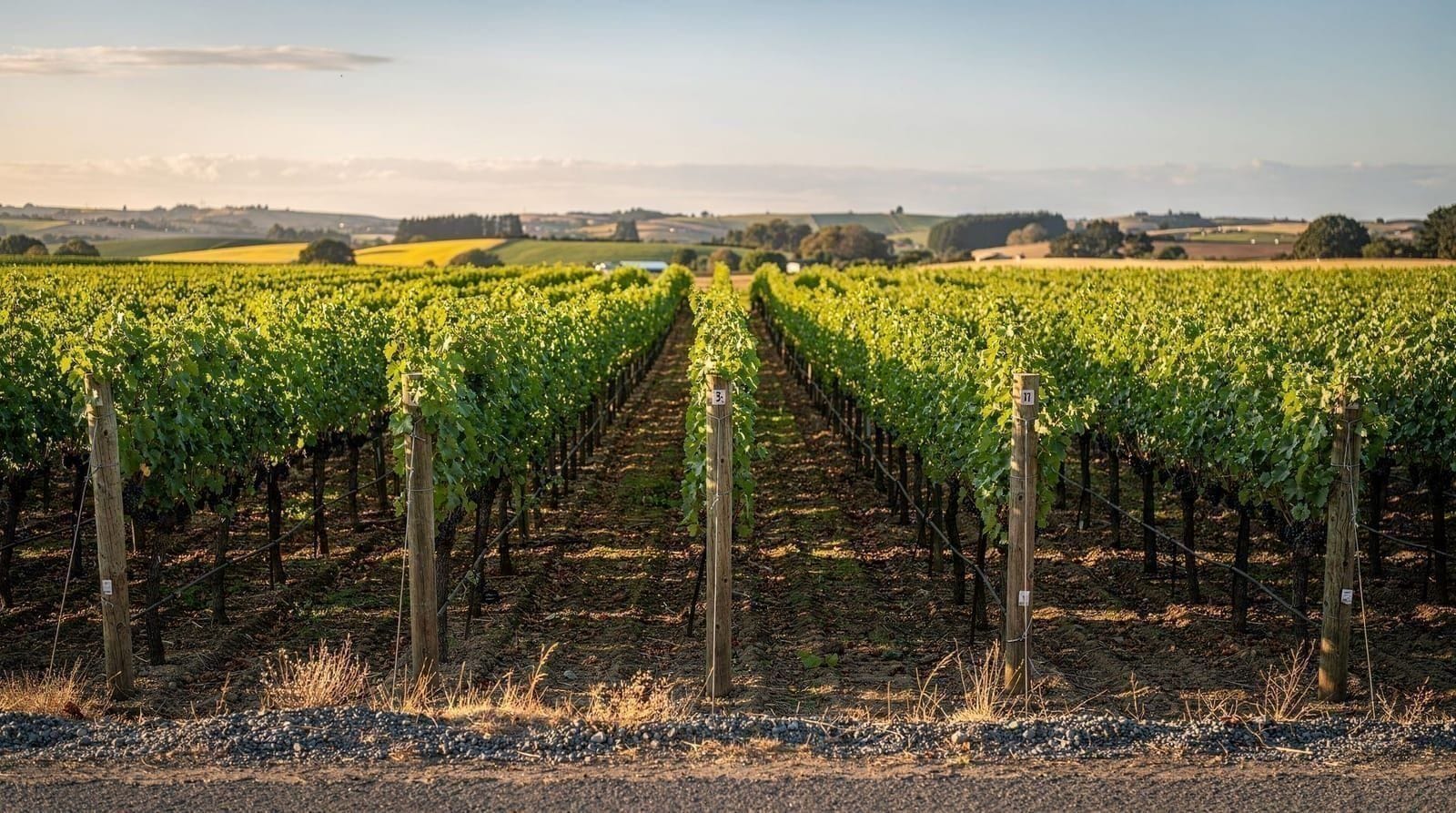
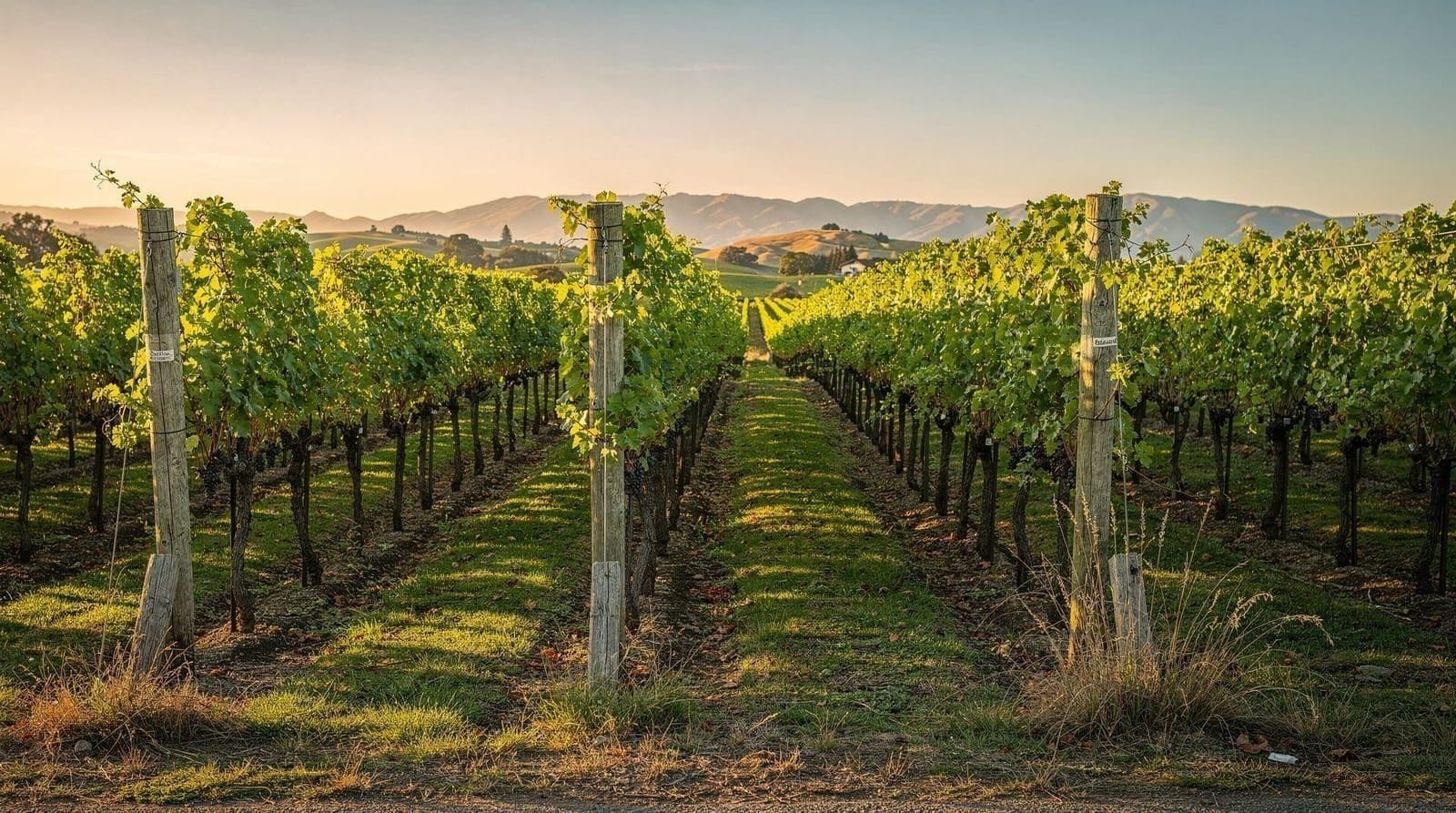
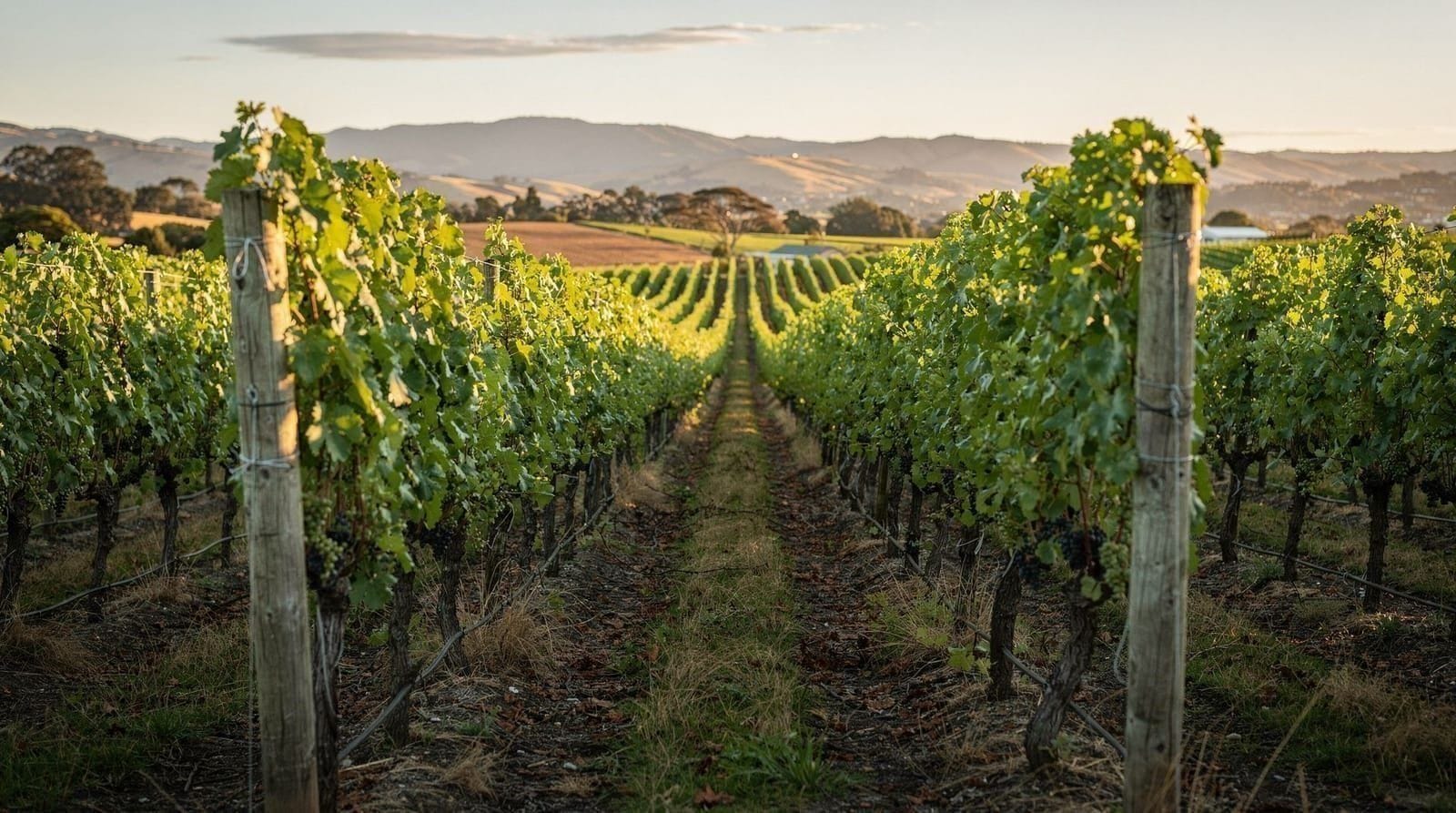
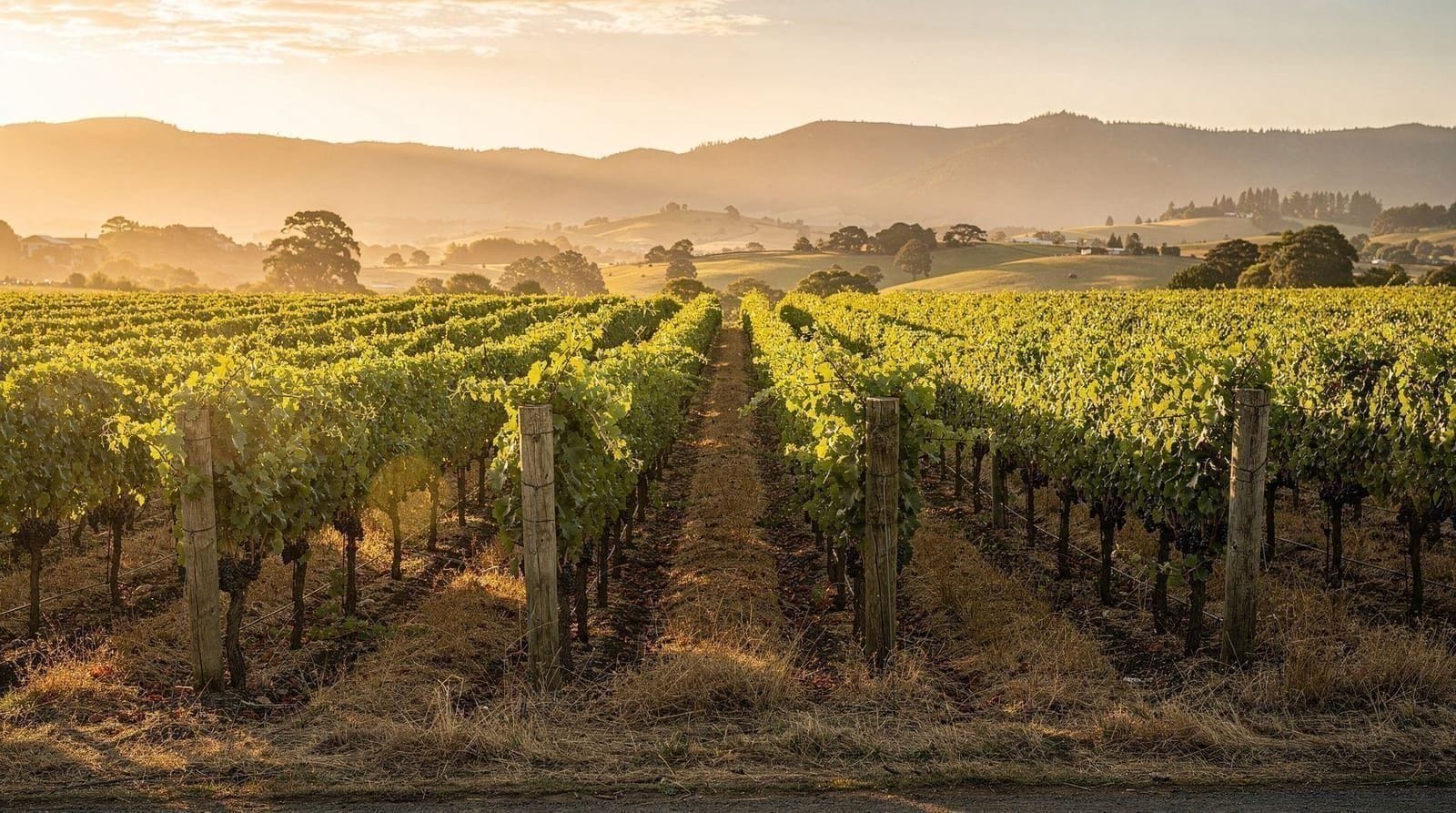
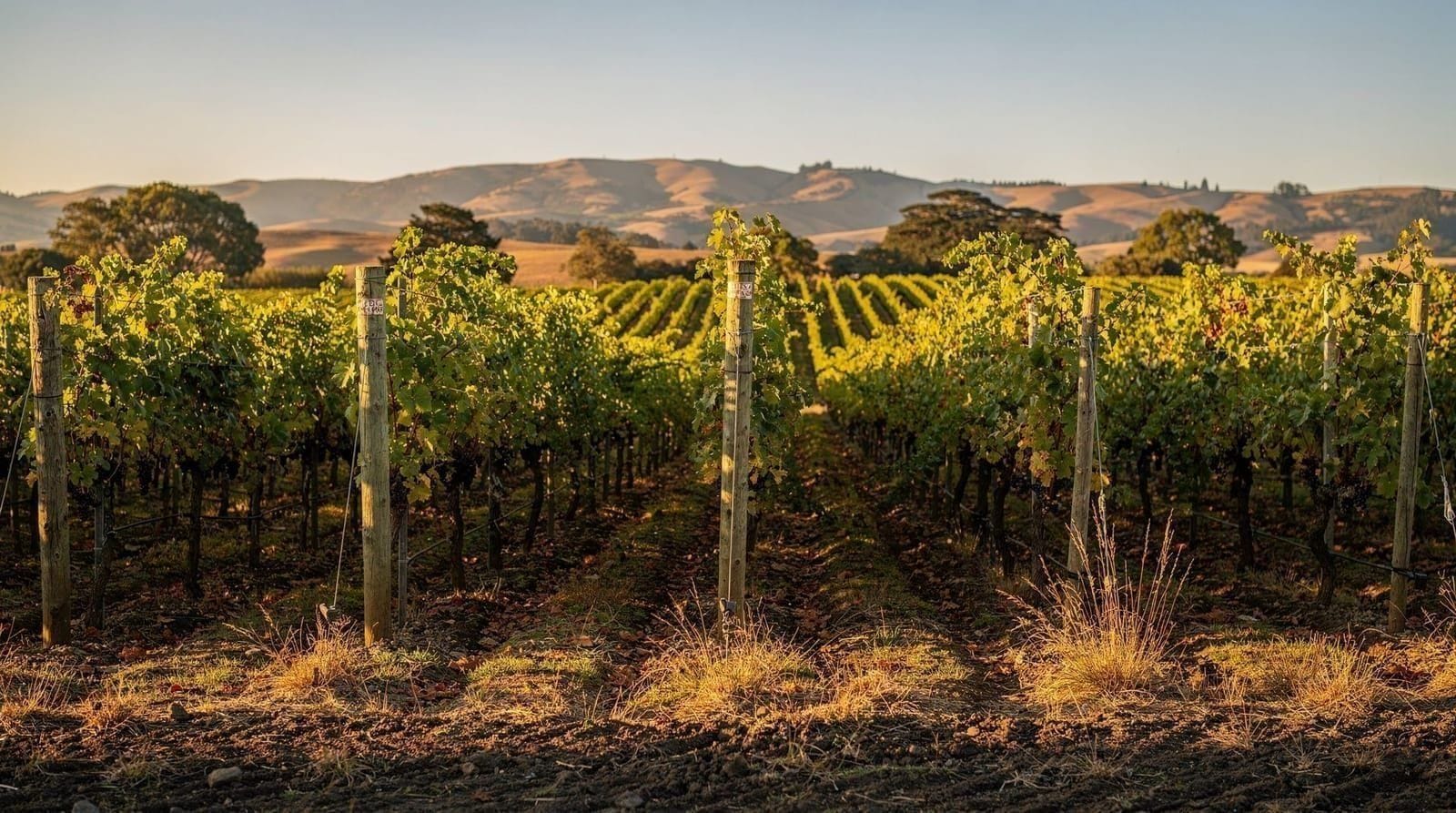
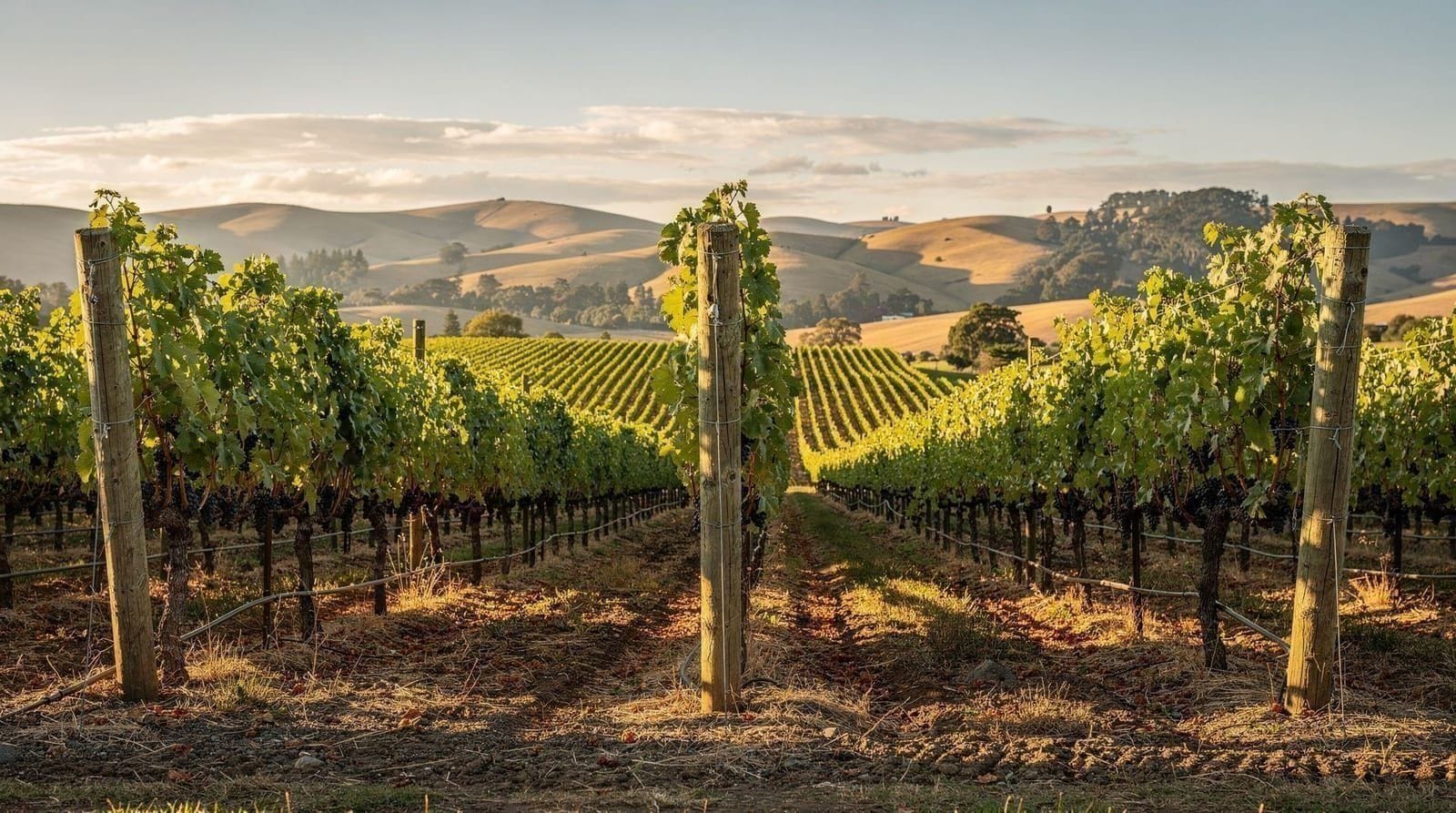
Martinborough is a compact wine village in the Wairarapa, about an hour to an hour and 15 minutes from Wellington over the winding Rimutaka Hill Road, home to a cluster of small, high-quality producers best known internationally for Pinot Noir and increasingly recognised for a wider range of cool-climate varietals besides. A guided day tour from Wellington solves the region’s one real logistical problem: getting there, tasting properly, and getting home again without anyone needing to stay sober behind the wheel.
| Where | Martinborough, Wairarapa — ~1–1.25hrs from Wellington |
| Cost | NZD 150–200/person standard; NZD 250–400+ for private/gourmet |
| Time needed | ~5hrs for the standard tour |
| Getting there | Wellington pickup, over the Rimutaka Hill Road |
| Best time | March–May (harvest season) for the best mix of weather and crowds |
The Martinborough Winery Tour from Wellington runs around 5 hours, collecting you in central Wellington, driving over the Rimutaka Hill Road, and stopping at a curated selection of Martinborough wineries for tastings before returning you to the city. It’s a genuinely relaxed way to see the region — you’re a passenger for the drive both ways, which matters more than it might sound given the road’s reputation for tight bends through forested hill country.
This is one of the clearer cases in Wellington where booking a tour isn’t just a convenience upgrade but the sensible choice full stop — driving yourself to a wine region and then tasting responsibly creates an obvious conflict that a guided tour simply removes.
Martinborough’s wine industry took root in the 1980s once viticulturists identified the region’s gravelly soils and dry, sunny microclimate — similar in profile to parts of Burgundy — as unusually well suited to Pinot Noir production. That relatively short but focused history is part of why the village feels distinctly boutique rather than sprawling: a compact cluster of small, quality-driven producers rather than a large-scale wine industry, which makes a single day’s tasting genuinely representative of the region’s character in a way a similar day trip in a larger wine region rarely manages.
Wellington pickup and the Rimutaka Hill Road
Most tours collect passengers from central Wellington hotels or a designated meeting point, so there’s typically no need to arrange your own transport to a departure location — check your specific booking’s pickup details, since some operators offer door-to-door hotel pickup while others use a single central meeting spot. The drive itself, over the Rimutaka Hill Road, is a genuinely winding route through forested hill country between the Hutt Valley and the Wairarapa, and while it’s scenic, it’s also exactly the kind of road that shouldn’t be driven after a day of tastings — reinforcing why a guided tour, with someone else doing the driving both ways, is the sensible default here rather than a self-drive day trip with a designated driver.
A typical day, stop by stop
Most tours depart central Wellington mid-morning, allowing time for the roughly hour-long drive over the Rimutaka Hill Road before the first tasting. A typical itinerary alternates tasting stops with short drives between wineries, often building in a scenic lookout or two along the Rimutaka route itself, before heading back toward Wellington in the mid-to-late afternoon. Groups are usually kept to van size rather than large coach groups, which keeps the pace relaxed and allows genuine conversation with winery staff at each stop rather than a rushed, oversized-group tasting.
What’s included and what it costs
The standard tour typically runs NZD 150 to 200 per person for the roughly 5-hour experience, covering return transport from Wellington, a guide, and tastings at three to four wineries — usually 30 to 45 minutes per stop, enough for a proper flight without feeling rushed. Tasting fees at each winery are generally included in the tour price rather than paid separately at the cellar door.
If a proper meal is part of what you want from the day, the Martinborough wine and food tour with lunch bundles a sit-down meal into the itinerary, typically at a similar or slightly higher price point — a sensible upgrade if you’d rather not scramble to find lunch independently in the village between tastings. For a more elevated, smaller-group experience, the Chef’s private wine tour with gourmet lunch runs a longer roughly 6-hour format with a private guide and a proper chef-prepared lunch, priced considerably higher — generally NZD 250 to 400-plus per person — but worth it for special occasions or travellers who want a more personalised, unhurried pace than a standard shared-group departure.
Wine purchases at the cellar door are, naturally, an additional cost on top of any tour price, and most operators can arrange shipping if you want to buy bottles without carrying them for the rest of your trip. Tipping the driver-guide isn’t obligatory in New Zealand but is appreciated for a well-run day, particularly on the private and gourmet tour formats where the guide’s personal attention shapes much of the day’s quality.
For a couple booking the standard tour, expect roughly NZD 300 to 400 total for the day — a meaningful outing cost, though one that compares reasonably against a similar day of wine tourism in most international destinations once transport, guiding, and multiple tastings are all factored in together rather than priced separately.
Comparing the three tour formats
| Format | Duration | Cost (NZD/person) | Best for |
|---|---|---|---|
| Standard shared-group tour | ~5hrs | 150–200 | Budget-conscious tasters wanting 3–4 wineries |
| Wine and food tour with lunch | ~5–6hrs | Similar to slightly higher | Travellers who want a proper meal included |
| Chef’s private tour, gourmet lunch | ~6hrs | 250–400+ | Special occasions, smaller groups, unhurried pace |
Accessibility and practical logistics
Wineries in Martinborough are generally spread across flat or gently sloping vineyard land, with cellar door tasting rooms typically step-free and accessible. The main physical demand of the day is the drive itself rather than the tastings, and most tour vehicles are comfortable, air-conditioned vans rather than large coaches — worth confirming vehicle type if mobility or comfort on a winding hill road is a specific concern.
Is it worth it — the honest verdict
For wine enthusiasts and anyone wanting a relaxed, low-effort day trip from Wellington, yes — Martinborough’s compact scale means a single day genuinely covers a meaningful sample of the region’s best producers, and removing the driving-versus-drinking conflict entirely is worth the tour price on its own. The Rimutaka Hill Road, while scenic, is not a route you want to navigate while distracted, tired, or anything less than fully sober, which makes the guided format more than a nice-to-have.
Traveller feedback on these tours consistently highlights the winery selection and guide knowledge as the two biggest factors separating a great day from an average one — ask specifically about which producers a given tour visits before booking, since some operators favour larger, more commercially established wineries while others prioritise smaller, boutique cellar doors that don’t otherwise offer public tastings.
The honest caveat is for travellers with a rental car who are comfortable designating a non-drinking driver, or those planning a longer, more flexible Wairarapa stay rather than a single tight day trip — in either case, self-driving with a planned tasting itinerary (see our Martinborough wine guide for route planning) can offer more flexibility on timing and winery choice than a fixed-stop group tour, at the cost of losing the driver.
Who this suits
This suits wine enthusiasts without a rental car, couples and small groups wanting a relaxed day trip without logistics to manage, and anyone who wants to taste properly without worrying about the return drive. It’s also a strong fit for a special-occasion day — the Chef’s private tour in particular suits anniversaries or small celebration groups.
It suits less well non-drinkers who’d get less value from a wine-focused itinerary, travellers on a very tight budget (a self-driven trip with a designated driver costs considerably less), and anyone planning to spend multiple days in the Wairarapa rather than a single tour day — a longer, self-paced stay (see wine lovers’ weekend in Martinborough) opens up more of the region than a single tour’s fixed stops. Groups with mixed interests — some keen wine tasters, others less so — should also weigh whether a full day built entirely around tastings suits everyone, or whether a shorter half-day format or independent exploring for non-tasters makes more sense.
Tips for visiting
Eat a proper breakfast before the tour starts — tasting flights across three or four wineries add up over the course of a day, and starting on an empty stomach makes for a rougher afternoon. Pace yourself across the stops rather than tasting everything poured at the first winery; spitting or using tasting buckets is entirely normal practice and lets you stay sharp enough to actually appreciate the later stops.
Wear comfortable, closed shoes rather than anything too dressy — cellar doors and vineyard walkways are practical working spaces, not polished tasting rooms designed for high heels. Bring a light jacket even in summer; Martinborough’s inland climate means noticeably cooler evenings than the day’s warmth might suggest, particularly if your tour runs into late afternoon.
If a particular varietal or producer matters to you, mention it to your guide when booking or at pickup — many operators can adjust the winery lineup somewhat based on group interest, particularly for smaller or private tours. Bring a cooler bag or ask about shipping options if you plan to buy bottles, since carrying wine through the rest of a trip (especially if you’re flying onward) adds unwanted logistics, and most cellar doors are well used to arranging courier shipping for international visitors specifically.
What to expect in the glass
Martinborough is best known internationally for Pinot Noir, produced from the region’s distinctive free-draining, gravelly soils, but most cellar doors also pour a range of other varietals — Sauvignon Blanc, Pinot Gris, Riesling, and increasingly some Chardonnay and aromatic whites — so a tasting flight rarely feels one-note even at a Pinot-focused producer. If you have a specific varietal preference, mentioning it to your guide in advance can help shape which stops get prioritised on a route that typically includes some flexibility in exact winery selection.
Autumn is the sweet spot
March to May is widely regarded as the best time for this tour — harvest activity adds atmosphere, crowds thin out from peak summer levels, and the drive over the Rimutaka Hill Road is typically at its most scenic with autumn colour in the surrounding hill country. Our Martinborough harvest season guide covers exactly what’s happening in the vineyards during this window if the harvest itself is part of your interest in timing a visit.
| Season | Atmosphere | Crowds | Best for |
|---|---|---|---|
| Mar–May (autumn) | Harvest activity, best driving weather | Moderate, thinning from summer | Most visitors — the sweet spot |
| Dec–Feb (summer) | Warm, lively village | Busiest, both tourists and locals | Those who don’t mind crowds |
| Jun–Aug (winter) | Quieter cellar doors | Lightest | Travellers prioritising a quiet tasting over outdoor charm |
Alternatives to consider
If you’re weighing Martinborough against New Zealand’s larger and more internationally known wine region, our Martinborough versus Marlborough wine guide breaks down the real differences — Martinborough suits a single relaxed day trip from Wellington, while Marlborough (reached via the Cook Strait ferry) is bigger, Sauvignon Blanc-focused, and better suited to a multi-day visit. Some visitors on a longer New Zealand itinerary that spans both islands choose to do both regions on the same trip, in which case comparing tasting notes between the two is genuinely one of the more rewarding wine experiences available anywhere in the country.
For a longer, more immersive stay in the region rather than a single tour day, our wine lovers’ weekend in Martinborough itinerary sequences multiple days of tastings, dining, and exploring the wider Martinborough village at a relaxed pace — a strong option if a single day tour leaves you wanting more once you’ve had a taste (literally) of what the region offers. Our best Martinborough wineries guide is worth reading regardless of whether you book a tour or drive yourself, since it names the specific producers most worth prioritising if your tour or self-planned route allows any choice in stops. And for a broader sense of how a Martinborough day trip fits alongside Wellington’s other options, our best day trips from Wellington guide ranks it against Kāpiti Island, the Hutt Valley, and other common choices.
Compare the standard tour against the food-inclusive and private chef-led options below to find the format that matches your budget, your group’s appetite for tastings, and the kind of day you want out of your one trip to the Wairarapa.
Compare alternative tours
Frequently asked questions about Martinborough wine tour review: is a day trip from Wellington worth it?
How much does the Martinborough winery tour cost from Wellington?
A standard shared-group day tour typically runs NZD 150 to 200 per person for around 5 hours, usually covering transport, tastings at three to four wineries, and a guide. Premium options with a gourmet lunch or private guiding cost more, often NZD 250 to 400-plus per person.How many wineries do you actually visit on the tour?
Most standard tours visit three to four wineries over the course of the day, giving roughly 30 to 45 minutes per stop for tasting flights — enough time to properly try each winery's range without feeling rushed, though dedicated wine enthusiasts sometimes wish for longer at a favourite stop.Is lunch included in the Martinborough wine tour?
It depends on the specific tour. The standard winery tour typically does not include a sit-down lunch, though tasting fees at wineries are usually covered. Tours specifically marketed as combining wine and food, or gourmet/chef-led versions, do include a proper lunch as part of the package — check inclusions carefully before booking if a meal matters to your day.Why book a tour instead of driving to Martinborough myself?
The single biggest reason is safe drinking — Martinborough is roughly an hour to an hour and 15 minutes' drive from Wellington over the Rimutaka Hill Road, a winding route that genuinely shouldn't be driven after a day of tastings. A tour removes that problem entirely, with a driver getting you there and back while you taste freely.Is Martinborough worth visiting compared to Marlborough's wine region?
They're different in scale and character rather than one being simply better. Martinborough is a compact, boutique region reachable as a half-day trip directly from Wellington, known for excellent Pinot Noir from a cluster of small producers. Marlborough is New Zealand's largest wine region, reached via the Cook Strait ferry, known internationally for Sauvignon Blanc, and better suited to a multi-day visit than a single day trip.What's the best time of year for a Martinborough wine tour?
Autumn (March to May) is widely considered the best window — harvest activity, milder crowds than peak summer, and generally excellent weather for the drive over the Rimutaka Hill Road. Summer weekends can be busy with both tourists and locals, while winter tastings are quieter but the region's outdoor charm is more muted.Can I visit Martinborough as part of a Wairarapa road trip rather than a single day tour?
Yes, and many visitors do. Martinborough sits within easy reach of Greytown and Masterton in the wider Wairarapa, so a self-driven multi-day loop with a designated non-drinking driver, or an overnight stay that removes the single-day time pressure entirely, opens up more of the region than a fixed-stop guided day tour allows.