Wellington's craft-beer scene, explained
A reputation earned by punching above its weight
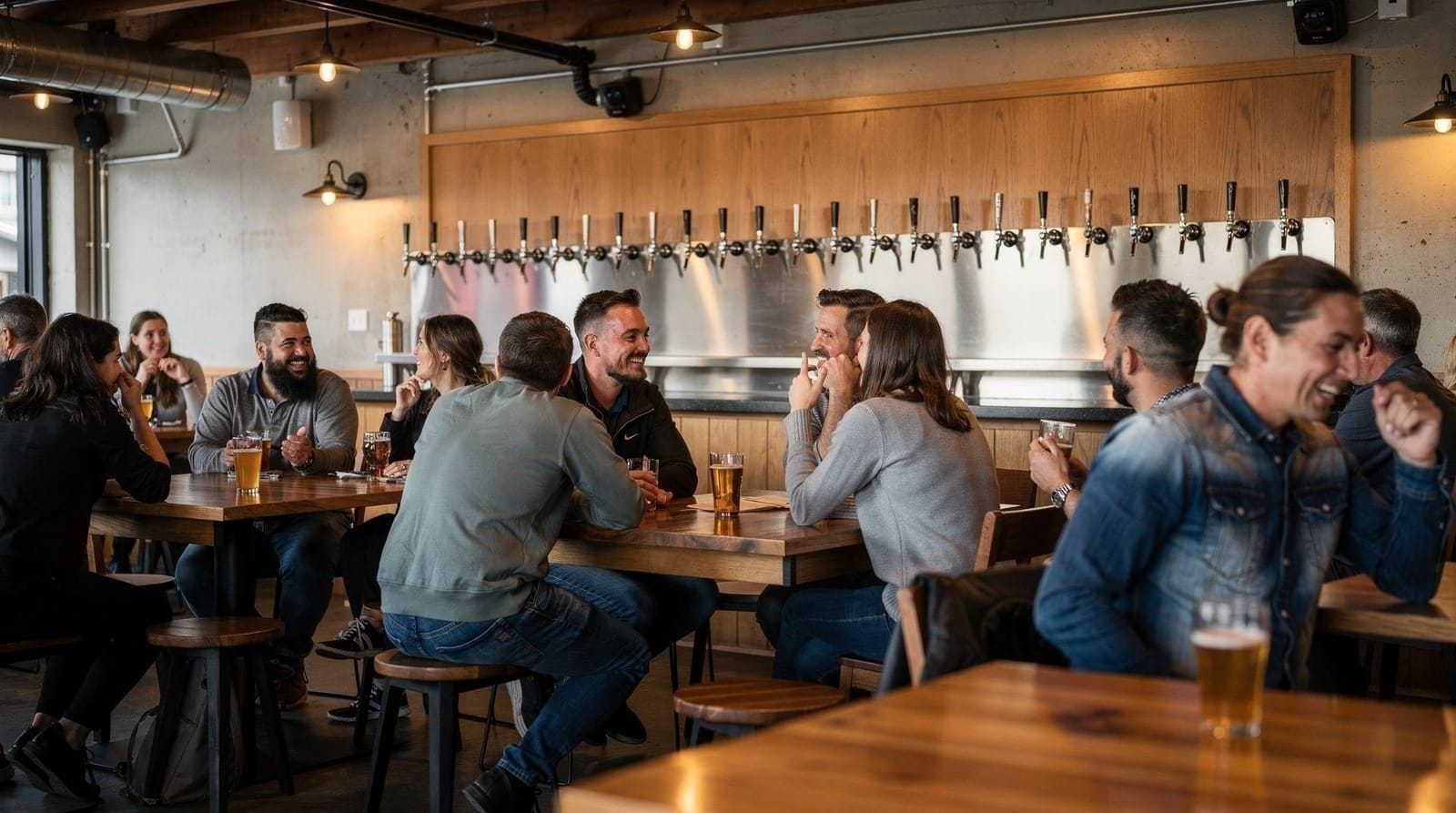
Wellington, a city of roughly 215,000 people, has a craft-beer reputation that rivals cities several times its size, and it’s worth understanding why rather than just taking the reputation at face value. Visitors arriving expecting a handful of forgettable pubs are usually surprised by how quickly a single evening’s crawl surfaces genuinely internationally regarded beer, without needing to venture far from the CBD at all. It comes down to a handful of breweries — most notably Garage Project, founded in a converted Aro Street service station in 2011 — that built national and international profiles fast, combined with a small enough city that the resulting scene stayed dense and walkable rather than spreading thin across suburbs.
| Where | Cuba Street/Te Aro CBD, plus Upper/Lower Hutt breweries |
| Pint | Around NZD 8–12; tasting flights NZD 15–25 |
| Best time | Weekday afternoons for quiet, before 6pm Fri/Sat for a seat |
| Signature event | Beervana, Sky Stadium, annually in August |
| Getting to Hutt Valley | Best via a guided tour rather than public transport |
Garage Project and the experimental streak
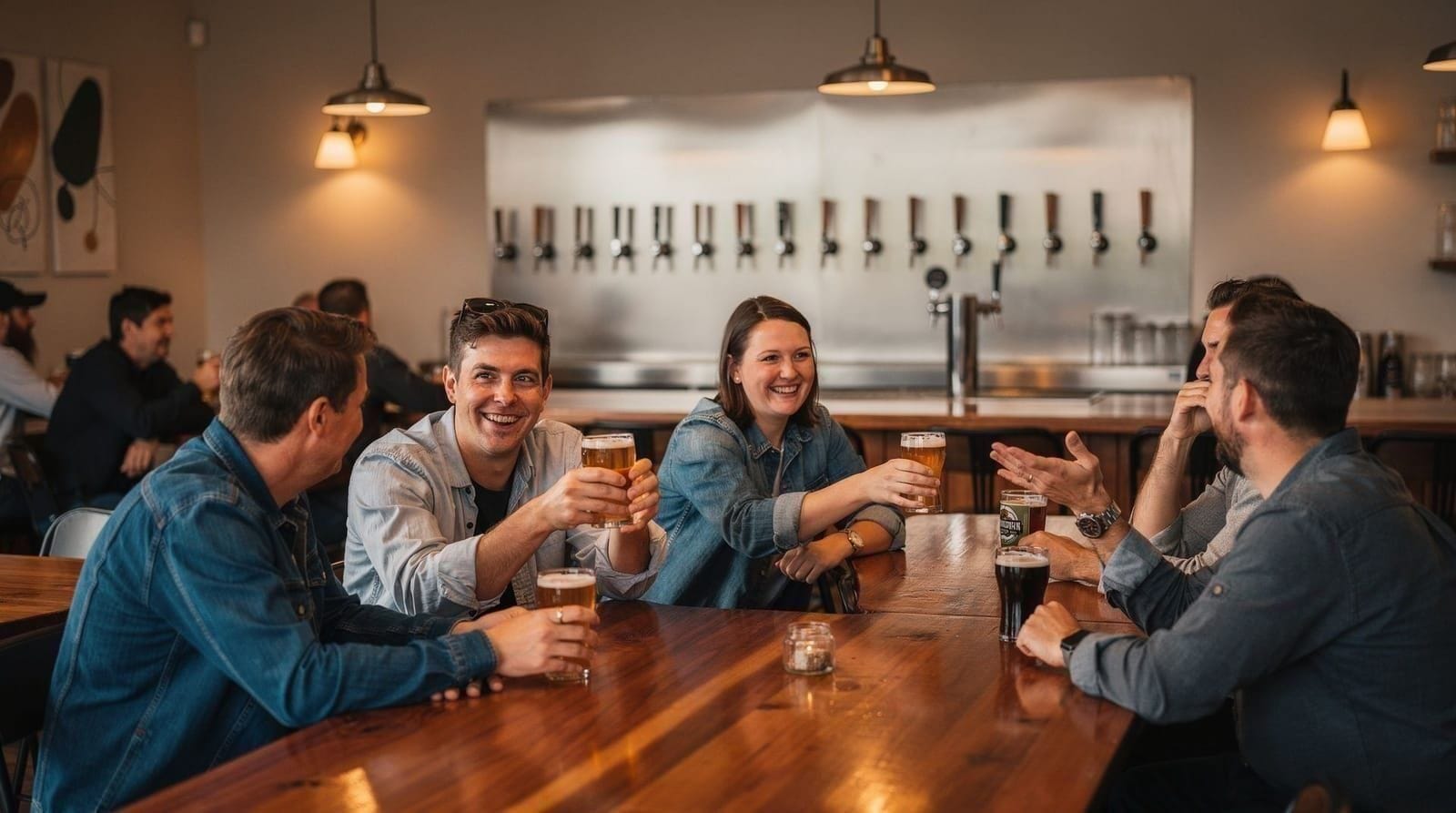
Garage Project’s defining trait is restless experimentation: fruited sours, barrel-aged strong ales, constantly rotating small-batch releases rather than a fixed year-round core range. It’s not unusual for the tap list to look completely different between two visits a few months apart, which is part of the appeal for repeat visitors and locals alike, and a point of contrast with breweries elsewhere that lean on one or two signature beers for years at a time. That approach set the tone for much of the rest of the city’s brewing scene, which leans more toward one-off, adventurous beers than the more conservative core-range model common elsewhere. The original Aro Street taproom is still the best single starting point for understanding the scene, and it’s an easy add-on to a Cuba Street evening given how close the two are. Our Wellington craft-beer trail covers the taproom in more depth alongside the rest of the circuit.
What a pint actually costs
Expect NZ$8-12 for a standard pint of craft beer at most Wellington taprooms and bars, rising for limited or barrel-aged releases at specialist spots. Tasting flights — typically four to six smaller pours — run NZ$15-25 and are the better way to sample a rotating list without committing a full pint to something experimental you might not like. This sits roughly in line with craft-beer pricing elsewhere in New Zealand; Wellington isn’t notably more expensive than Auckland for beer specifically, even though its overall food and accommodation costs run comparably.
Food pairings and where to eat alongside the beer
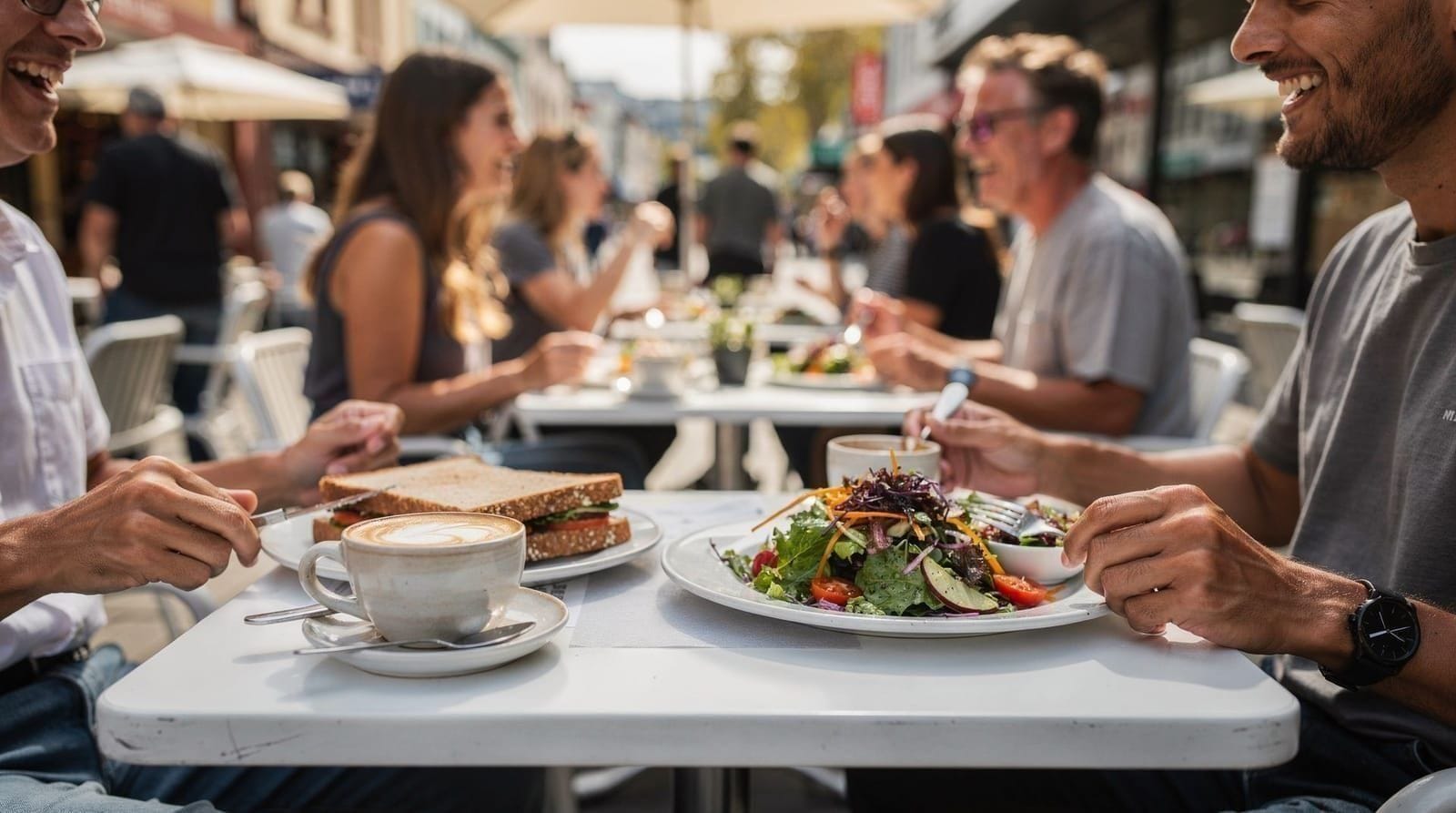
Most of Wellington’s dedicated craft-beer venues run food menus built specifically around pairing with strong, hoppy or sour beers rather than as an afterthought — burgers, wood-fired pizza and shareable snacks dominate, which suits the generally casual, standing-room taproom culture better than a formal sit-down menu would. Fork & Brewer is the clearest exception, running a genuine restaurant-standard kitchen alongside its own brewing, worth choosing specifically if a proper dinner matters as much as the beer itself. Our Cuba Street food guide and best restaurants in Wellington both cover the wider dining scene if you want a break from taproom food between brewery stops on a longer evening out.
Beervana: the scene’s biggest single event
Beervana, held annually in August at Sky Stadium, is Wellington’s flagship beer festival and the single best window to sample a huge cross-section of New Zealand and international craft breweries in one place rather than working through individual taprooms over several evenings. It draws beer enthusiasts from across the country specifically for this reason, and if your trip timing allows any flexibility, planning around it is worth considering if craft beer is a genuine priority rather than a side interest. Our dedicated Beervana Wellington guide covers ticket types and how to plan a visit around it.
Beyond Garage Project: the wider circuit
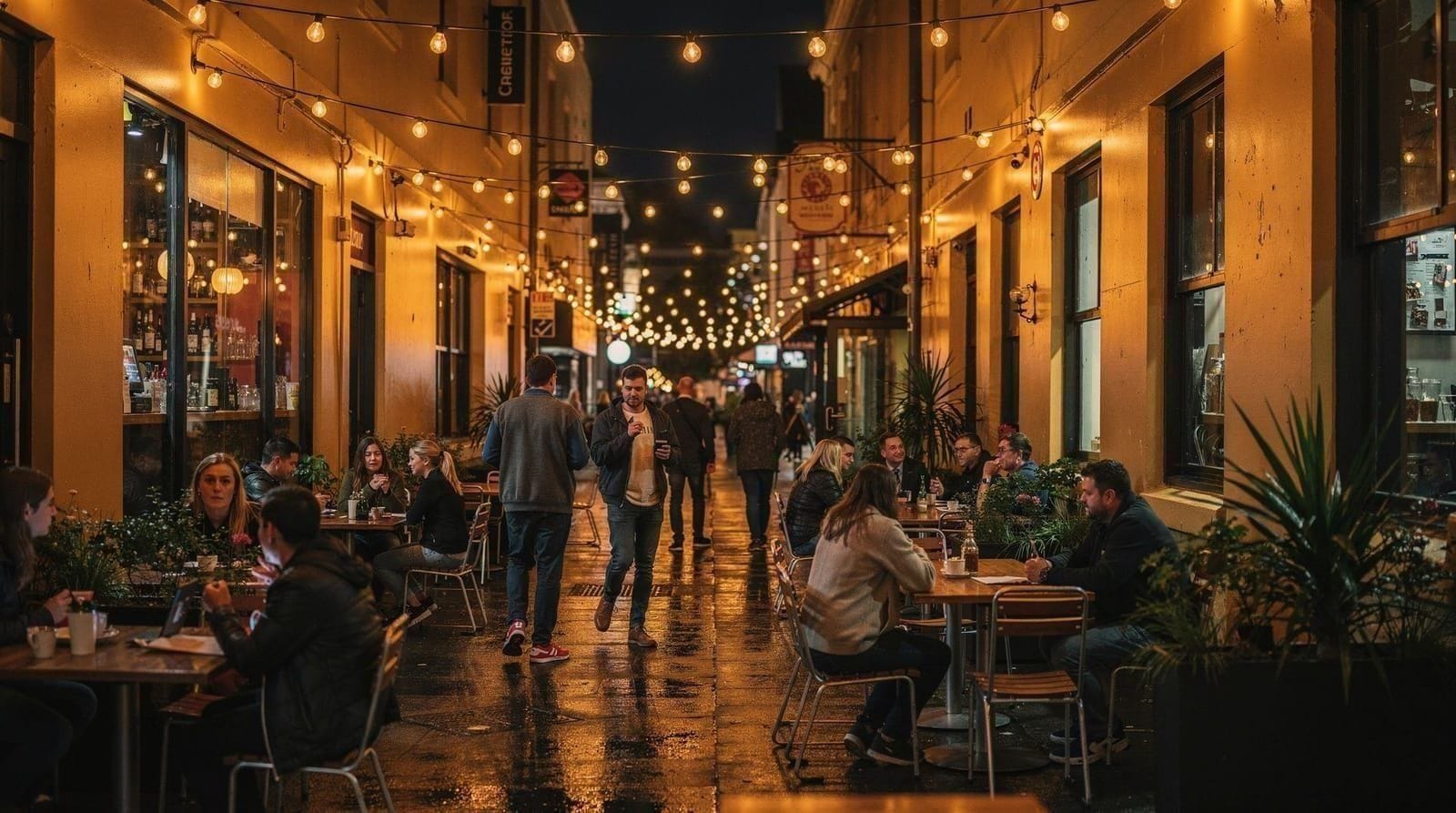
Hashigo Zake on Vivian Street is the specialist’s stop — not a brewery itself, but a dedicated craft-beer bar with one of the country’s largest rotating tap lists, better suited to tasting widely across multiple breweries in one sitting than any single taproom. Fork & Brewer on Bond Street brews on-site alongside a proper food menu, a useful pick if you want a sit-down meal rather than a standing taproom visit. Rogue & Vagabond, right on Cuba Street, doubles as a general Cuba Street bar as much as a beer specialist, with outdoor seating that’s pleasant on a still evening and less so once the wind picks up.
A meaningful share of the region’s actual brewing — Panhead Custom Ales and Boneface in Upper Hutt, Kereru in Lower Hutt — happens outside the CBD entirely, best reached via the half-day craft-brewery tastings tour or the more comprehensive all-inclusive brewery tour rather than trying to string together public transport between suburbs on your own.
Beyond Beervana: the smaller events worth knowing about
Beervana is Wellington’s flagship craft-beer event, but it’s not the only date on the calendar — several individual breweries run their own release-day events for particularly anticipated barrel-aged or anniversary beers, typically announced only a few weeks ahead via each brewery’s own social channels rather than through a centralised events calendar. Garage Project in particular has built a following partly on these one-off release days, where queues can form well before opening for a genuinely limited batch.
If Beervana’s specific August dates don’t line up with your trip, checking individual breweries’ social media in the weeks before you travel is worth the five minutes it takes, on the off chance a smaller but equally worthwhile event lines up instead — these smaller release days rarely make it into general tourism calendars, so a brewery’s own channels are genuinely the only reliable source. Our full Wellington festivals and events calendar places all of this alongside the city’s other major annual dates.
New Zealand hop character, and why it matters to the beer
Much of what makes New Zealand craft beer distinctive, Wellington’s included, comes down to the country’s own hop varieties — Nelson Sauvin, Motueka and Riwaka among the best known, grown in the Nelson-Tasman and Marlborough regions just across Cook Strait from Wellington. These hops bring pronounced tropical-fruit and white-wine-like aromatics that show up across the pale ale and IPA styles dominating most local taproom menus, a genuinely different flavour profile from the more resinous, pine-forward hop character common in American craft beer. If you’re used to a narrower international beer scene, it’s worth ordering a straightforward pale ale early in an evening specifically to taste this baseline character before moving on to Garage Project’s more experimental one-off releases, which build on the same hops in stranger directions.
Brewery taproom hours and practical logistics
Most CBD taprooms and bars open from early-to-mid afternoon through to around 10-11pm, with Friday and Saturday evenings the busiest by a wide margin — arriving before 6pm on a weekend gets you a seat without a wait at the more popular spots like Garage Project’s Aro Street taproom or Hashigo Zake. Weekday afternoons, by contrast, are noticeably quiet even at the best-known venues, which suits anyone who’d rather talk to staff about what’s on tap than navigate a packed room. None of the CBD-based options require bookings for casual tastings, though larger groups are better calling ahead. The Hutt Valley breweries keep more limited hours, typically weekend-only tasting room access rather than a full daily schedule, which is the practical reason an organised tour makes more sense out there than trying to time a solo visit around uncertain opening hours.
Building your own crawl versus booking a tour
A self-guided crawl works well if your evening is limited to the CBD, since Garage Project, Hashigo Zake, Fork & Brewer and Rogue & Vagabond all sit within a comfortable walk of each other on or near Cuba Street. Once the Hutt Valley breweries come into it, though, the calculation changes — Panhead, Boneface and Kereru keep limited, mostly weekend-only tasting hours and sit well outside easy public-transport range, which is exactly the gap the Lower Hutt craft beers and car museum tour is built to close, pairing brewery stops with a local car museum for a fuller half-day out.
A comparison for wine drinkers travelling with beer fans
Mixed-interest travel groups sometimes assume beer and wine touring don’t mix well in the same trip, but Wellington’s compact geography makes both genuinely doable within a short stay — an evening CBD beer crawl doesn’t compete for time with a Martinborough wine day trip the way two full-day activities in the same region might. Our wine and food pairings in Wairarapa and Marlborough guide and Martinborough wine guide cover the wine side if your group wants to split a day between the two, or simply do both on separate evenings and afternoons of the same trip.
How it compares to Auckland
Per capita, most New Zealand beer writers rate Wellington’s scene ahead of Auckland’s, driven by that concentration of nationally recognised breweries relative to the smaller population base, in much the same way the city over-delivers on coffee. It’s a comparison that comes up often enough in beer-focused travel forums that it’s worth stating plainly: this isn’t civic boosterism, it’s a reasonably consistent view among people who’ve done a serious crawl through both cities’ scenes back to back. Auckland has more total breweries and a wider geographic spread, but Wellington’s density means a visitor can cover a genuinely representative slice of the country’s best craft beer in a single walkable evening, which is the practical advantage that matters most on a short trip.
Our Wellington nightlife guide places the craft-beer scene within the city’s wider evening options, and if coffee is as much a priority as beer, our Wellington coffee capital guide covers the daytime half of the same reputation. If wine rather than beer is more your focus for a regional day out, our piece on the Martinborough wine harvest festival covers the Wairarapa’s equivalent flagship event, and there’s no reason a single Wellington trip can’t cover both, given how compact the city’s own beer scene is relative to how much regional wine country sits within easy reach.
Frequently asked questions about Wellington’s craft-beer scene
Do I need to book ahead for the main CBD taprooms?
No — casual visits and tastings at CBD venues like Garage Project or Hashigo Zake don’t require booking, though larger groups are better calling ahead, and arriving before 6pm on Friday or Saturday avoids the busiest wait for a seat.
Is it worth visiting the Hutt Valley breweries without a tour?
For most visitors, no — Panhead, Boneface and Kereru keep limited, mostly weekend-only tasting hours and sit outside easy public-transport range from central Wellington, so a guided tour is the more reliable way to visit them without wasted time.