Kāpiti & Zealandia with kids
Wellington: Zealandia by Day Guided Walking Tour
Duration: 2h
Should families choose Kāpiti Island or Zealandia with kids?
Zealandia suits families with younger children better — no fixed boat-crossing time, shorter visit options, and it's easy to leave early if kids tire, at roughly NZD 55 adult entry. Kāpiti Island delivers denser, bolder native wildlife but requires a full-day commitment with a fixed-time boat crossing and several hours of walking, at roughly NZD 250-350 per person, making it a better fit for families with primary-school-age children and up who can commit a full flexible day.
A decision families genuinely struggle with
| Zealandia | ~10 min from CBD, flexible timing, ~NZD 55 adult |
| Kāpiti Island | Fixed-time boat crossing, full day, ~NZD 250-350 pp |
| Best for younger kids | Zealandia (no fixed departure, easy early exit) |
| Best for richer wildlife | Kāpiti Island (denser, bolder native birds) |
| Kiwi sighting | Neither reliably in daytime; Zealandia night tour is closer |
Of all the choices a family builds into a Wellington-area itinerary, this specific one — Kāpiti Island or Zealandia, or both — comes up more often than almost any other, precisely because both are genuinely excellent and genuinely different rather than one being an obviously inferior substitute for the other. Unlike choosing between two similar museums or two similar walks, this decision hinges on real trade-offs in cost, time, physical demands and risk tolerance around weather and seasickness, all of which land differently depending on your specific children’s ages and your trip’s overall flexibility. This guide is built to make that trade-off concrete rather than leaving it as a vague “both are great, you decide” non-answer.
Two genuinely different wildlife days, and how to choose between them
Families building a Wellington trip around native wildlife usually end up weighing the same two options against each other: a Zealandia morning close to the city, or a full-day crossing to Kāpiti Island. Both deliver genuinely worthwhile native bird encounters, but the practical demands they place on a family — time, cost, physical stamina, and how forgiving each is if a child tires early — are different enough that the right choice depends heavily on your kids’ ages and your itinerary’s flexibility. This guide compares the two directly, specifically from a family-with-children perspective rather than a general traveller’s.
Zealandia: the flexible, lower-commitment option
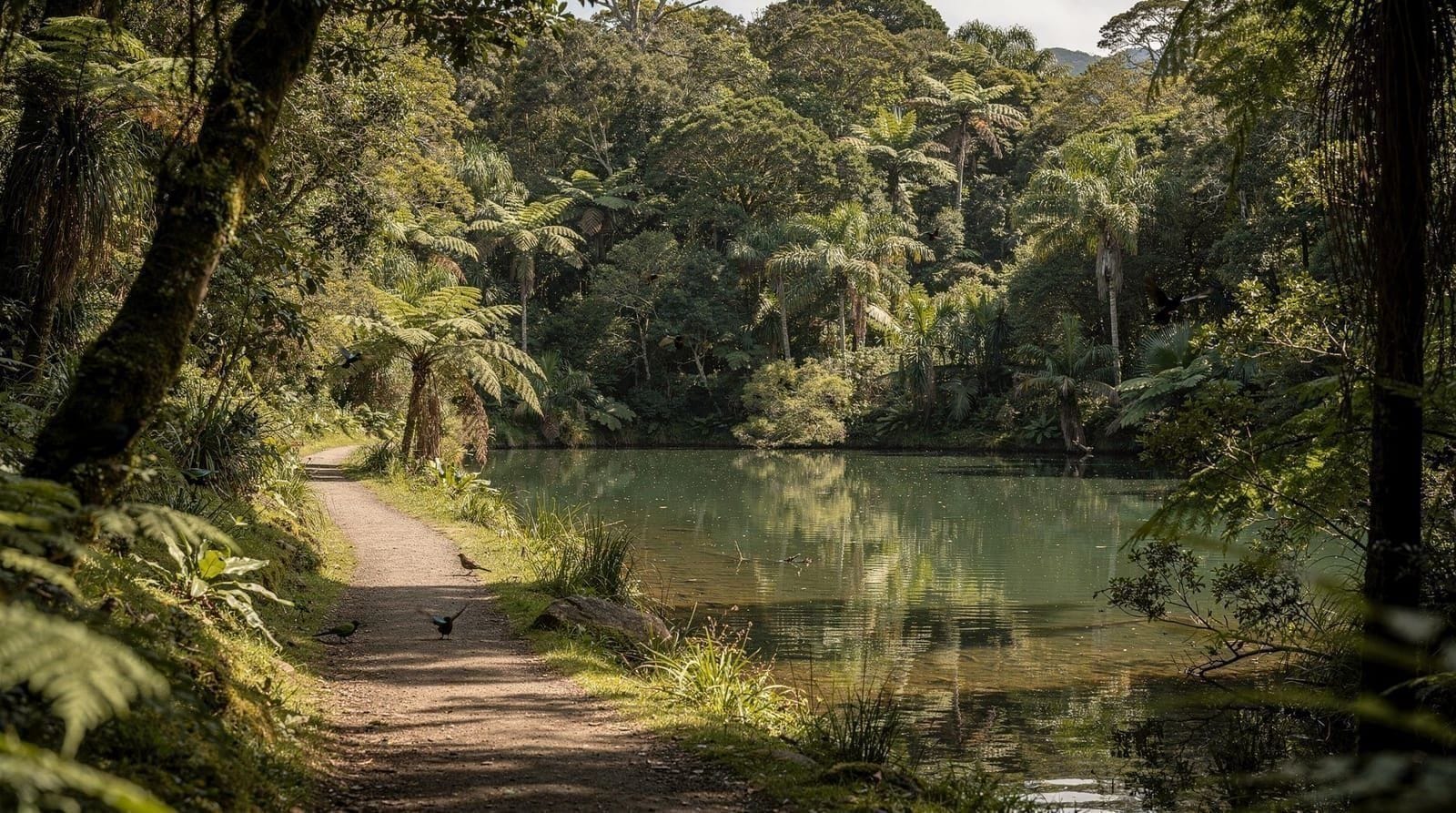
Zealandia, a fenced 225-hectare valley in Karori roughly 10 minutes from central Wellington, is the more forgiving choice for families with younger children or a tighter schedule. There’s no fixed departure time the way a boat crossing requires — you arrive when it suits you, and if a toddler melts down an hour in, you can simply leave without having committed to a fixed return crossing later in the day. The reserve’s lower valley loop near the visitor centre and lake is flat, stroller-friendly, and covers the most productive wildlife-viewing areas without demanding a strenuous walk, making it considerably more manageable with a range of ages in one family group than Kāpiti Island’s longer, more physically demanding tracks.
Day entry and the Zealandia guided walking tour both sit around NZD 55 for adults and NZD 27.50 for children aged 5-17, with a family pass around NZD 110 — a fraction of Kāpiti Island’s per-person cost, and genuinely good value against the roughly two-hour guided experience. The honest trade-off is scale: Zealandia’s wildlife, while genuinely wild, doesn’t match Kāpiti Island’s density and boldness, since Kāpiti’s decades-longer predator-eradication history has produced a noticeably more confident, closer-approaching bird population.
Kāpiti Island: bigger reward, bigger commitment
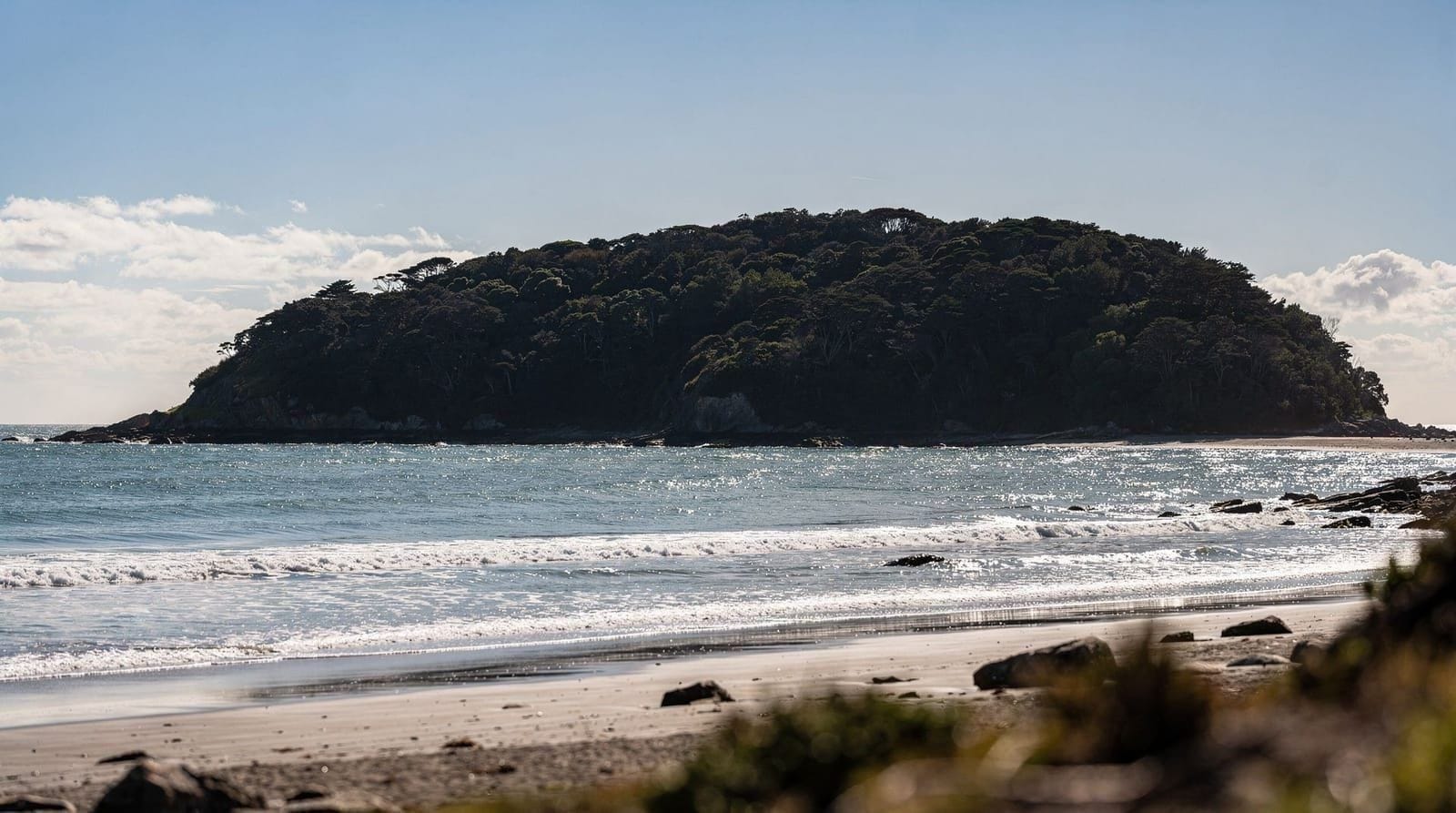
Kāpiti Island is a true offshore island sanctuary, reached by a 15-20 minute boat crossing from the Kāpiti Coast, and its wildlife — takahē, kākā and saddleback among the highlights — is genuinely denser and bolder than Zealandia’s, a direct result of predator-eradication work that began here in the 1980s, considerably earlier than Zealandia’s 1999 fence completion. That deeper conservation history is real and worth the trip for families with a genuine wildlife interest, but it comes with meaningfully higher demands: a fixed-time boat crossing with no flexibility for early departure once you’ve landed, 2 to 4 hours of walking depending on the specific tour’s route, and a per-person cost of roughly NZD 250-350, or NZD 900-1,200 for a family of four once the Wellington transfer is included.
The boat crossing itself is a genuine consideration for families with younger kids — the open-water 15-20 minute journey can be choppy depending on wind and swell, and children prone to seasickness should take precautions beforehand. Most operators’ walking routes range from gentler lowland tracks near the landing point to steeper climbs toward higher lookout points; check the specific tour’s route and any stated minimum age policy before booking if you have younger children or anyone with limited walking stamina in your group.
The core trade-off, in plain terms
Zealandia trades wildlife density and boldness for flexibility, lower cost, and forgiveness if a child tires early — no fixed departure time, an easy early exit, and a genuinely manageable flat loop for most family compositions. Kāpiti Island trades that flexibility for a considerably richer wildlife encounter, at the cost of a full, inflexible day, a boat crossing, and a price tag that’s several times higher per family. Neither is objectively the better choice; it depends on your children’s ages, your itinerary’s slack, and how much of a trip priority native wildlife specifically is for your family.
Our honest recommendation by age
For families with toddlers or preschoolers, Zealandia is the clearly better fit — the flexibility to leave early, the flat lower loop, and the lower financial stakes if the visit doesn’t go as planned all favour it heavily over a fixed-time, full-day island crossing. For families with primary-school-age children and up who can manage several hours of walking and a boat crossing without issue, Kāpiti Island becomes a genuinely worthwhile splurge day, particularly if your itinerary has a full flexible day to dedicate to it and wildlife is a real trip priority rather than a nice-to-have. Mixed-age families with both younger and older kids might reasonably choose Zealandia as the safer, more universally workable option, saving Kāpiti Island for a future trip when the youngest members are a bit older.
A Zealandia visit with kids, step by step
A realistic family Zealandia morning: arrive shortly after opening (10am, or 9am in winter) to beat both crowds and the day’s warmest hours, spend 10-15 minutes at the visitor centre orienting younger kids with the tuatara enclosure and interpretive displays, then take the flat lower valley loop toward the lake, pointing out kākā and takahē as you go — both species reliably visible near the main paths. Budget roughly two hours for this core loop with a family pace, allowing extra time for photo stops and any child wanting to linger at a particular spot. The visitor centre café makes a natural end point for a snack before heading back to the CBD, and there’s no pressure to see the reserve’s full 32km trail network in one visit — most families with kids comfortably cover a fraction of it and still leave satisfied.
A Kāpiti Island day with kids, step by step
A Kāpiti Island family day looks considerably different in shape: an early departure (typically 8-9am) from Wellington or the Kāpiti Coast meeting point, a safety briefing before the 15-20 minute boat crossing, then 2-4 hours of guided walking on the island depending on the specific tour’s route, followed by the return crossing and transfer back, typically landing you back in Wellington by late afternoon or early evening. Unlike Zealandia, there’s no early-exit option once you’ve landed — the day’s shape is fixed by the boat schedule, so prepare kids beforehand for a full, structured day rather than a flexible wander, and pack accordingly since there’s no shop or café once you’re on the island.
Toilets, food and practical logistics at each site
Zealandia’s visitor centre has toilets and a café, with additional toilet facilities at points further into the trail network — reasonably manageable for a family with young children needing frequent bathroom breaks. Kāpiti Island has considerably more limited facilities once you’ve landed, typically basic toilet facilities near the landing point but no shops or food service anywhere on the island, meaning you need to bring all food, water and any specific supplies your family requires for the full day before you board the boat. This logistical difference alone is worth weighing heavily for families with very young children who have specific, inflexible feeding or bathroom-break needs.
Weather and cancellation policies
Both destinations are weather-dependent to some degree, but the practical impact differs. Zealandia remains accessible in most weather short of genuinely severe conditions, since it’s a land-based reserve without a crossing to cancel — a light rain day simply means a slightly less pleasant walk rather than a cancelled visit. Kāpiti Island’s boat crossing, by contrast, can be cancelled or rescheduled by the operator in genuinely rough conditions, which means booking with some itinerary flexibility around a Kāpiti Island day is genuinely wise, particularly outside the more settled spring-to-autumn season, so a weather cancellation doesn’t derail your entire trip schedule.
Photography tips for kids at each site
At Zealandia, a simple point-and-shoot or phone camera works well for the more habituated species like kākā and takahē, which often approach closely enough near the visitor centre for kids to get a decent photo without needing a long lens. At Kāpiti Island, wildlife tends to be similarly bold given the island’s decades of predator-free management, and kids often come away with genuinely excellent close-up photos of species like saddleback and kākā without specialist equipment — though the boat crossing and any spray involved is worth protecting a camera or phone against with a simple waterproof case or bag.
Combining both, if your trip allows it
Families with five days or more in the Wellington area, and a genuine interest in native wildlife across the whole group, can reasonably do both — a Zealandia morning early in the stay as a lower-stakes introduction, and a full Kāpiti Island day later in the trip once everyone has a sense of what a longer wildlife-focused day involves. Our nature and wildlife 4-day itinerary pairs the two for fitter, more independent travellers, though it assumes a pace better suited to families with older children than very young ones. The family 4 days itinerary takes the more conservative route, defaulting to Kāpiti Island as the single big day-four excursion while flagging Zealandia explicitly as the lower-commitment alternative if younger kids in the group can’t manage the boat crossing.
What guides at each site typically emphasise with families
Guides leading family groups at Zealandia typically adjust their commentary toward simpler, more visual cues for younger visitors — pointing out movement and colour rather than dwelling on the reserve’s more technical conservation history, which is better suited to adult-only or older-children’s tours. Kāpiti Island guides, given the more committed, full-day nature of the trip, often build in more structured rest breaks and pacing adjustments specifically because they’re used to travelling with a wider range of family group compositions across a physically demanding day, and experienced operators are generally good at reading a group’s energy levels and adjusting the walking route accordingly rather than sticking rigidly to a fixed plan regardless of how tired younger members are becoming.
Kiwi sightings: managing expectations at both
Neither Zealandia nor Kāpiti Island reliably delivers a daytime kiwi sighting, since kiwi are strictly nocturnal at both sites. Zealandia’s dedicated night tour offers a genuinely better chance of hearing or spotting one after dark, though the late evening timing generally isn’t well suited to very young children. If a guaranteed kiwi sighting matters more to your family than the broader wildlife experience, Wellington Zoo’s dedicated kiwi house, using reversed lighting to simulate night-time conditions during normal zoo hours, is the more reliable daytime option for kids specifically.
Cost side by side, for a family of four
Putting the numbers next to each other makes the trade-off concrete: a Zealandia family visit runs roughly NZD 110-165 total (family pass plus one or two additional child tickets depending on ages), taking half a day. A Kāpiti Island day tour for the same family runs roughly NZD 900-1,200 including the Wellington transfer, taking a full day with a fixed schedule. That’s somewhere between five and eight times the cost for what is, honestly, a richer but not five-to-eight-times-richer wildlife experience — a genuinely useful way to frame the decision if budget is a real factor in your planning, alongside the time and flexibility considerations already covered above.
If doing both, which to book first
For families doing both across a longer stay, booking Zealandia first makes practical sense — it requires less advance planning, gives you and the kids a lower-stakes introduction to what a guided native-wildlife walk involves, and helps you gauge how your specific children handle a few hours of nature-focused walking before committing to Kāpiti Island’s considerably bigger, less flexible day. If the Zealandia visit goes well and the kids show genuine enthusiasm for the wildlife, booking Kāpiti Island for later in the trip becomes a considerably more confident decision than committing to the pricier, less flexible option first without knowing how your family actually responds to this kind of activity.
Involving kids in the decision
For families with older children capable of weighing in on the choice themselves, involving them directly in the Kāpiti-versus-Zealandia decision — showing photos of each site’s wildlife, explaining the boat crossing versus the flexible mainland visit — often produces better buy-in and engagement than a purely parent-made decision imposed without explanation. Kids who’ve had some say in choosing an activity tend to invest more genuine attention in it once there, a small but genuinely useful piece of family-travel psychology worth applying to this specific decision as much as any other activity choice on a family trip.
Managing the decision if the family genuinely disagrees
It’s common for different family members to have genuinely different preferences here — one parent keen on Kāpiti Island’s richer wildlife experience, another more cautious about the cost and the boat crossing with young kids, and children themselves sometimes swayed simply by which option sounds more like an adventure in the moment. Where a genuine disagreement exists, defaulting to the lower-cost, lower-risk Zealandia option is usually the sensible tie-breaker, since it preserves the option to add Kāpiti Island later in the trip (or on a future visit) if the family’s Zealandia experience builds confidence and genuine enthusiasm for going further, whereas committing to the pricier, less flexible option first and finding it doesn’t suit the group is a harder mistake to walk back from mid-trip.
Where this decision fits in a wider family trip
This choice is one piece of a larger family Wellington plan — see our broader Wellington with kids guide for how a wildlife day fits alongside Te Papa, the cable car and the rest of a family itinerary, and rainy-day Wellington with kids if bad weather forces a rethink of whichever option you’d planned for that day.
Practical planning either way
Both options benefit from booking ahead, particularly in summer and school-holiday periods when demand at both sites peaks. Bring sun protection, water, and layers regardless of which you choose, since Wellington’s weather can shift quickly at either location, and pack snacks for Kāpiti Island specifically, since there are no shops or cafés on the island itself once you’ve landed. For the fuller practical detail on each, see our Zealandia complete guide and Kāpiti Island nature reserve guide.
Booking the Kāpiti Island option directly from the coast
For families already driving up or staying on the Kāpiti Coast rather than starting from central Wellington, the Kāpiti Island classic guided day tour departs directly from the coast, skipping the Wellington transfer leg described above for a more focused island-only day.
The bottom line for families
Zealandia is the lower-cost, lower-commitment, more forgiving choice that suits most families with younger children or tighter schedules; Kāpiti Island is the bigger, richer, pricier splurge that suits families with older kids, a genuine wildlife interest, and a full flexible day to give it. Neither is wrong, and families with the time and budget for both should genuinely consider doing so across a longer Wellington-area stay rather than treating the choice as strictly either-or.
Frequently asked questions about Kāpiti & Zealandia with kids
What's the main difference between Kāpiti Island and Zealandia for a family?
Zealandia is a fenced mainland valley a short drive from central Wellington with flexible visit lengths and no fixed departure time. Kāpiti Island is a true offshore island reached by a scheduled boat crossing, requiring a full-day commitment with no early-exit option once you've landed.Is the Kāpiti Island boat crossing safe for kids?
Generally yes, though the 15-20 minute open-water crossing can be choppy depending on wind and swell, and children prone to seasickness should take precautions beforehand. Check the specific tour operator's minimum age policy before booking, since this varies by company.Which is cheaper, Kāpiti Island or Zealandia?
Zealandia is considerably cheaper — day entry and the guided walking tour both sit around NZD 55 for adults and NZD 27.50 for children, with family passes around NZD 110. A Kāpiti Island day tour runs roughly NZD 250-350 per person, or NZD 900-1,200 for a family of four including the Wellington transfer.Can you see a kiwi during the day at either site?
Not reliably at either, since kiwi are nocturnal. Zealandia's night tour offers the better chance of hearing or spotting one after dark, though this isn't typically suited to very young children given the late timing. Wellington Zoo's dedicated kiwi house, using reversed lighting to simulate night conditions, is the more reliable daytime option for kids wanting a guaranteed kiwi sighting.What if we only have time for one?
For families with a genuinely tight schedule or younger children, Zealandia is the lower-risk, lower-cost choice that still delivers strong native-wildlife appeal without the boat crossing or full-day commitment. Save Kāpiti Island for a trip where wildlife is a specific priority and you have a full flexible day to give it, ideally with children old enough to manage several hours of walking.
Top experiences
Bookable activities with verified prices and instant confirmation on GetYourGuide.